For Chinese Appetizers, Try This Sinus-Clearing Condiment Instead Of Sweet And Sour Sauce
Its use dates back centuries in Chinese cuisine, particularly in northern
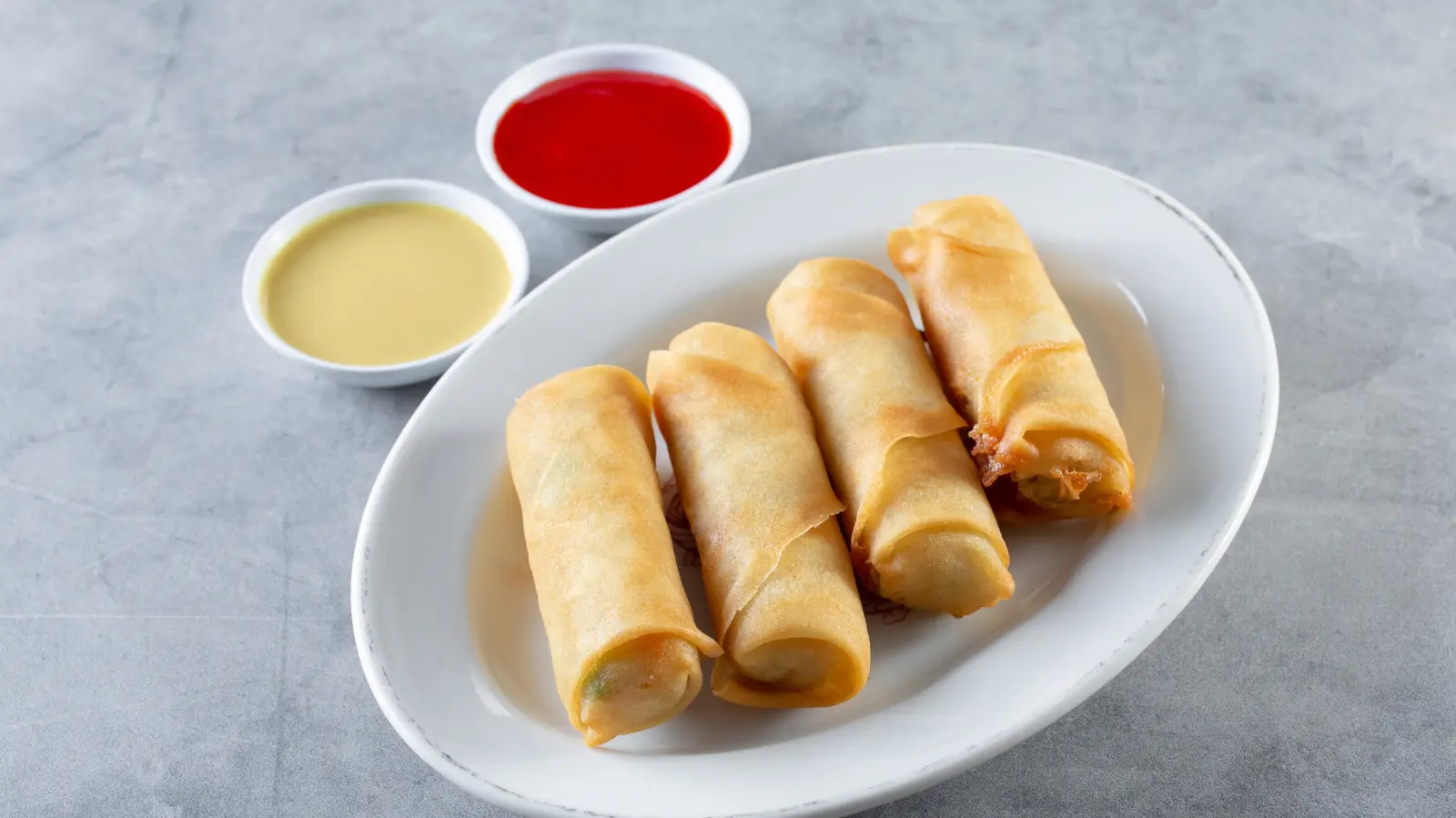
At Chinese American restaurants nationwide, diners often reach for sweet and sour sauce with appetizers like egg rolls or dumplings. A bold alternative gaining attention is Chinese mustard, known for its sharp, pungent kick that clears sinuses instantly. This condiment, made from ground mustard seeds and turmeric, offers a fiery contrast to sweet sauces and is traditionally served alongside rich, fried foods. The intense heat of Chinese mustard comes from allyl isothiocyanate, the same compound found in wasabi and horseradish. Unlike sweet and sour sauce, which balances sugar and vinegar, this yellow paste delivers an immediate nasal rush that can cut through greasiness. Many home cooks and restaurant-goers are rediscovering it as a way to awaken the palate before a meal.
Latest news
 Costco's Frozen Dumpling Lineup, Ranked From Least To Most Tasty
 Best stainless-steel frying pans 2026: expert-tested picks for searing, eggs and daily cooking
 Trader Joe’s First‑Time Shopper Guide: Must‑Try Items
 Panda Express vs P.F. Chang's: Which Orange Chicken Is Healthier?
Its use dates back centuries in Chinese cuisine, particularly in northern regions where bold flavors prevail. How Does Chinese Mustard Compare to Other Spicy Condiments? While sriracha and chili oil build heat gradually, Chinese mustard strikes fast and fades quickly, leaving a clean finish. It contains no garlic or fermented chilies, making its sharpness distinct from Asian hot sauces. Nutritionists note it’s low in calories and free of added sugars, unlike many commercial dipping sauces. Some chefs recommend mixing it with a touch of soy sauce or sesame oil to temper the intensity for sensitive palates. Why Are More Diners Choosing This Traditional Option? Interest in authentic, less sweetened accompaniments is growing as diners seek balance and complexity in flavor. Food trends show a shift away from overly sweetened American-Chinese staples toward ingredients that highlight umami and spice.
Restaurants in urban areas are now placing Chinese mustard in small ramekins
Restaurants in urban areas are now placing Chinese mustard in small ramekins beside soy sauce, encouraging experimentation. Social media posts featuring the condiment’s dramatic reaction—watery eyes and flushed faces—have contributed to its viral appeal among younger eaters. Frequently Asked Questions Is Chinese mustard the same as horseradish? No, though both produce a similar sinus-clearing effect, Chinese mustard is made from Brassica juncea seeds, while horseradish comes from a root plant. They share the compound allyl isothiocyanate but differ in flavor and origin. Can I make Chinese mustard at home? Yes, mix dry mustard powder with water and let it sit for 10 minutes to develop heat, then add a pinch of turmeric for color and a dash of salt. Adjust consistency with more water or a bit of vinegar if desired. Does Chinese mustard expire? Unopened, it lasts up to two years in a cool, dark place.
Once mixed with water, it should be used within a few days as the potency fades quickly. Store in a sealed container in the refrigerator.
Content written by Lucas Carter for fancy-meals.com editorial team, AI-assisted.