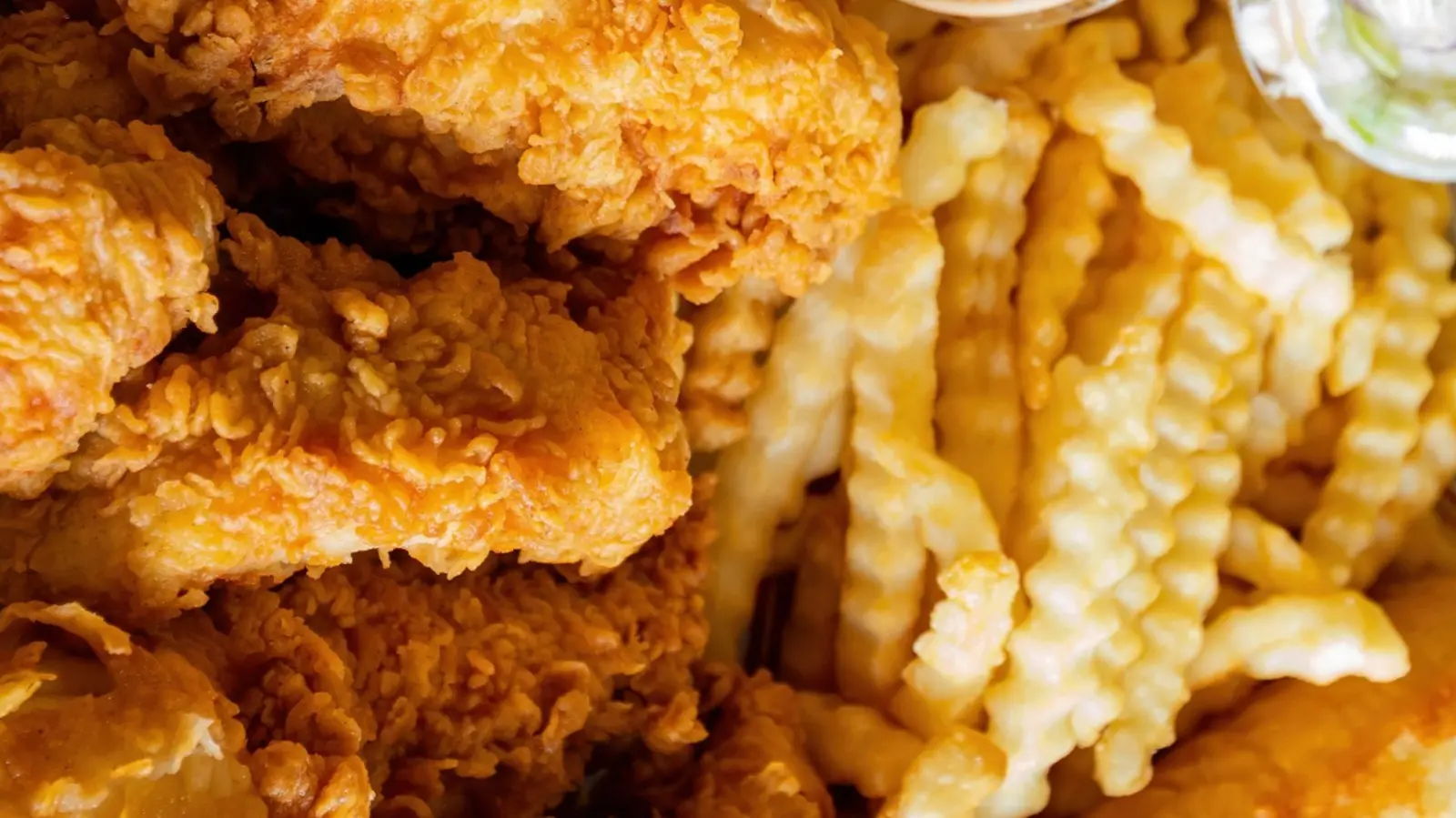
Chick-fil-A Faces Backlash Over Consistently Soggy Fries
Steam Traps and Packaging Flaws
Chick-fil-A customers are increasingly complaining about limp, soggy fries served at their drive-thru windows. The fast-food giant, known for its crispy potato strips, is facing a wave of online criticism regarding texture quality. Social media posts highlight a recurring issue where fries arrive soft rather than crisp. This trend has sparked debate among loyal patrons who view the side dish as a core part of the dining experience. The complaints suggest a potential shift in preparation standards or packaging methods that affects the final product.
Latest news
 Costco's Frozen Dumpling Lineup, Ranked From Least To Most Tasty
 Best stainless-steel frying pans 2026: expert-tested picks for searing, eggs and daily cooking
 Trader Joe’s First‑Time Shopper Guide: Must‑Try Items
 Panda Express vs P.F. Chang's: Which Orange Chicken Is Healthier?
The issue centers on the physical state of the potatoes upon delivery. Customers report that the fries lack the necessary crunch expected from a freshly fried item. Instead, they feel heavy and moist, often resembling steamed vegetables more than fried snacks. This deviation from the standard has frustrated diners who specifically order the chain for its consistent quality. Many believe the problem stems from how the food is packaged before reaching the customer. Trapped steam inside the bag may be the primary culprit, softening the exterior crust.
The root cause appears to be thermal dynamics within the serving container. When hot fries are sealed in a paper bag, moisture cannot escape easily. This trapped vapor condenses on the surface of the potatoes, dissolving the crispy outer layer. Industry experts note that proper ventilation is critical for maintaining fry texture. Chick-fil-A’s current packaging design may not allow sufficient airflow to dissipate this heat and humidity. As a result, the fries cool down while simultaneously becoming waterlogged. This process happens rapidly, meaning even a short wait at the drive-thru can ruin the intended texture.
Can Chick-fil-A Fix The Crunch?
Customers have shared their experiences across various platforms, describing the fries as limpand disappointing. Some diners suggest that the chain should consider alternative packaging materials or designs. A vented bag or a slightly open container could help release excess steam. Others point out that the frying temperature or oil freshness might also play a role. However, the consensus leans heavily toward the packaging issue as the most immediate fix. The brand’s reputation for consistency makes this texture failure particularly noticeable to regulars.
The fast-food industry relies heavily on sensory expectations. Crispy fries are a benchmark for quality in many chains. If Chick-fil-A fails to meet this standard, it risks losing a key competitive advantage. Competitors like Raising Cane’s or Popeyes may benefit if they maintain superior fry textures. The company must evaluate whether minor adjustments to their supply chain or packaging can resolve the complaint. Testing new bag materials or adjusting fry times could yield quick results. Without intervention, the perception of soggy fries may become a defining characteristic of the brand.
Looking ahead, the outcome depends on how quickly the chain responds to consumer feedback. A simple packaging update could restore customer confidence and prevent long-term brand erosion. If the issue persists, diners may start seeking alternatives for their comfort food cravings. The stakes are high because taste and texture are fundamental to fast-food satisfaction. Chick-fil-A has the resources to implement changes swiftly. The next few months will reveal whether the company prioritizes this specific quality control measure or if the soggy fry era continues.
Frequently Asked Questions
Why do Chick-fil-A fries turn out soggy? The primary reason is trapped steam inside the paper packaging. When hot fries are sealed, moisture condenses on the surface and softens the crispy exterior.
Is this a new problem for the chain? While complaints have existed for some time, recent social media activity suggests the issue has become more widespread. Many customers now cite it as a frequent occurrence rather than an isolated incident.
How can customers avoid getting soggy fries? Ordering immediately before consumption helps minimize the time for steam to accumulate. Some customers also request that staff leave the bag slightly open to allow for better air circulation.
Content written by Tasting Table for fancy-meals.com editorial team, AI-assisted.