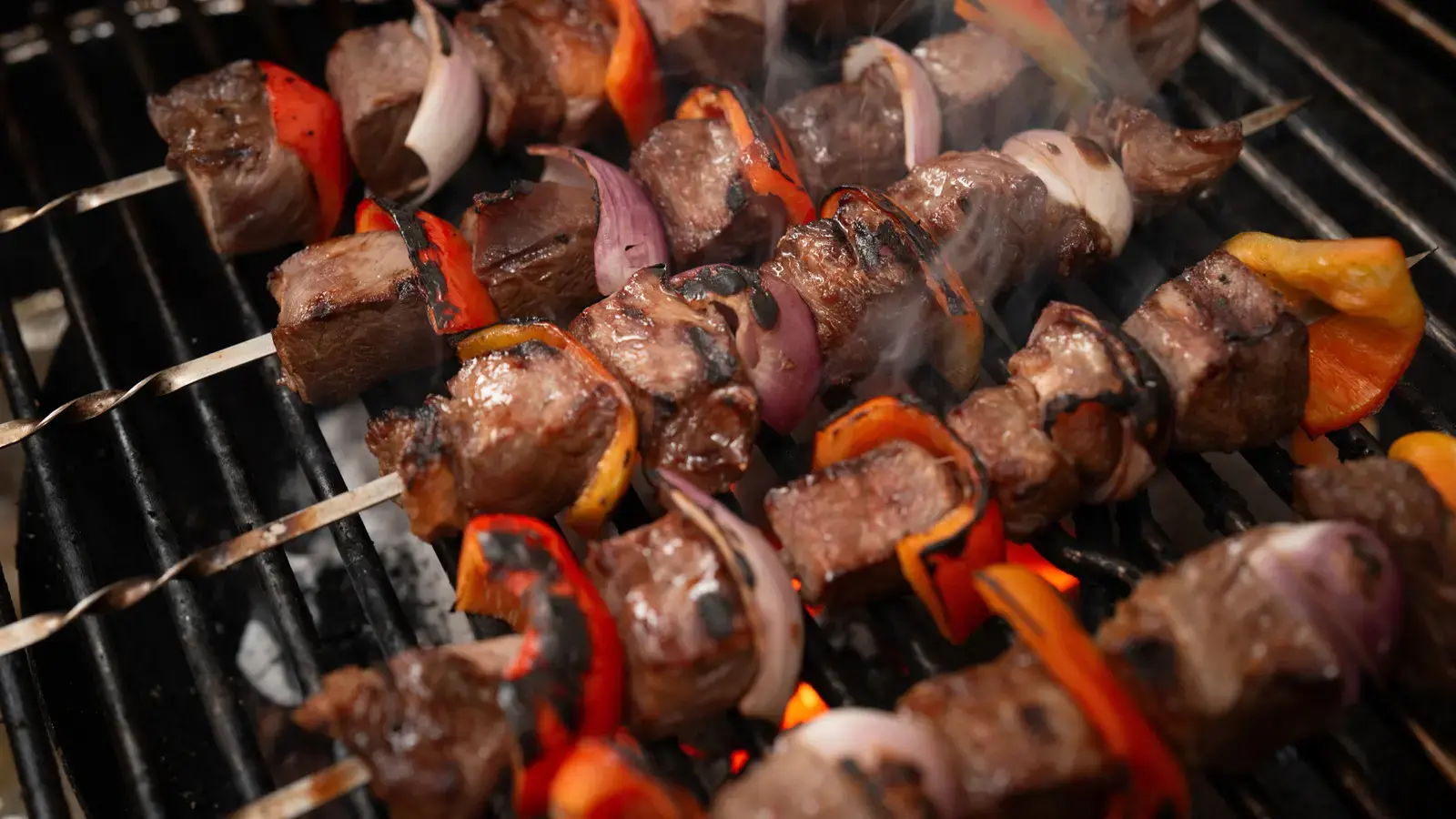
Charcoal Grills: Smoky Flavor, Dangerous Sparks
Why Charcoal Grills Spark Fires
Charcoal grills have long been prized for the smoky flavor they impart to meats and vegetables. Yet, backyard barbecue enthusiasts face a serious risk: the very charcoal that creates that taste can ignite accidental fires. The danger has prompted safety warnings across the country.
Latest news
 Costco's Frozen Dumpling Lineup, Ranked From Least To Most Tasty
 Best stainless-steel frying pans 2026: expert-tested picks for searing, eggs and daily cooking
 Trader Joe’s First‑Time Shopper Guide: Must‑Try Items
 Panda Express vs P.F. Chang's: Which Orange Chicken Is Healthier?
The problem lies in how charcoal burns. It produces hot embers that can flare up and send sparks into the air. When these embers land on nearby structures, furniture, or even the grill’s own metal frame, a fire can start quickly. Many incidents occur when the grill is left unattended or when the charcoal is not fully cooled before disposal. The result is a blaze that can spread to the yard, sheds, or neighboring homes.
Charcoal’s high temperature and the way it releases carbon monoxide make it a fire hazard. When charcoal is lit, it can reach 800 to 1,200 degrees Fahrenheit. At those temperatures, even a small spark can ignite dry grass, leaves, or a paper fire pit. Because charcoal is often stored in open containers or on the ground, it is easy for embers to escape. In a recent survey, 30 percent of backyard fires traced back to improperly handled charcoal.
Can You Reduce the Risk?
Firefighters report that the most common scenario involves a grill placed too close to a wooden deck or a patio. The embers can travel several feet, especially in windy conditions. Once a fire starts, it can spread rapidly, damaging property and endangering lives. The risk is not limited to residential areas; commercial venues with large charcoal setups also see higher fire incidents.
Yes, there are simple steps to keep the grill safe. First, place the grill on a noncombustible surface, such as a concrete pad or a metal grill stand. Keep it at least 10 feet from any structures or vegetation. Second, use a fireproof container to store leftover charcoal when the grill is not in use. Third, never leave a lit grill unattended. Finally, after cooking, let the charcoal cool completely before disposing of it in a sealed container.
Many grill manufacturers now offer safety features, such as built‑in firebreaks and automatic shut‑off mechanisms. However, the responsibility largely falls on the user. Proper preparation, vigilant supervision, and a clear plan for emergency response can dramatically lower the chances of a fire.
The consequences of ignoring these precautions are severe. A single ember can ignite a surrounding lawn, leading to a house fire that requires extensive damage control. In the worst cases, lives are lost. Local fire departments have increased their outreach programs, offering free safety kits and educational workshops to homeowners.
Frequently Asked Questions
What makes charcoal grills more hazardous than gas grills? Charcoal burns at higher temperatures and releases embers that can escape the grill. Gas grills typically produce a steady flame and are less likely to generate stray sparks.
How can I safely use a charcoal grill? Place it on a noncombustible surface, keep it far from structures, never leave it unattended, and store leftover charcoal in a sealed container until it is fully cooled.
What safety measures should I take if I have a backyard with dry grass? Clear the area of dry leaves and debris, create a firebreak around the grill, and consider using a fire-resistant mat or concrete pad as a barrier.
Content written by Tasting Table for fancy-meals.com editorial team, AI-assisted.