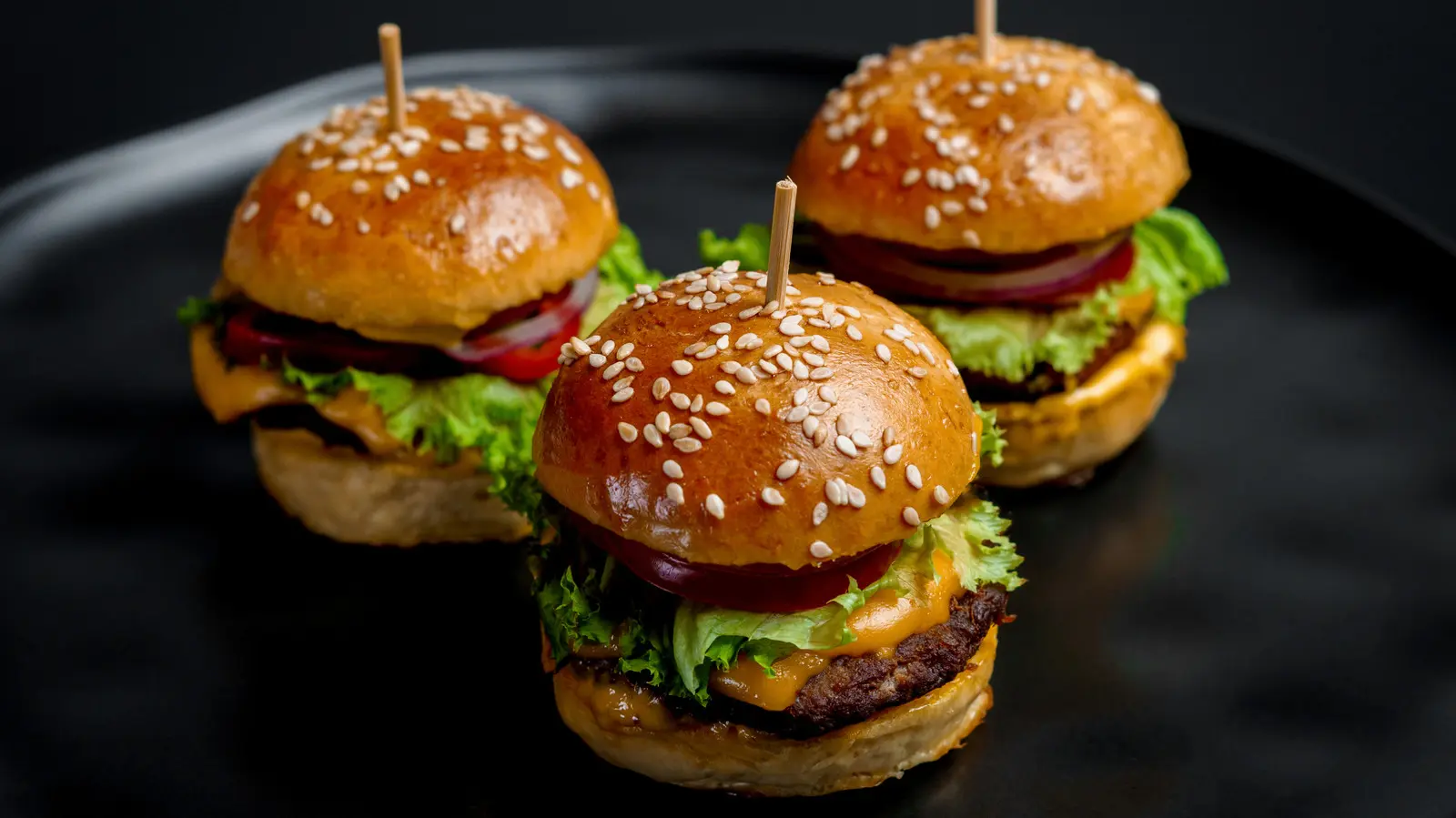
Burgers Get Crispy, Juicy Boost From Deep‑Frying, Says Chef Andrew Zimmern
Why Deep‑Frying Beats the Grill
Chef Andrew Zimmern, known for his adventurous palate, says deep‑frying a burger can create a caramelized crust while keeping the interior succulent. He shared the technique in a recent interview with Chowhound, urging home cooks to try the method for a flavor punch that rivals traditional grilling. The advice comes as diners look for novel ways to elevate classic comfort foods.
Latest news
 What Likely Appeared on the First Thanksgiving Menu in 1621
 Anthony Bourdain’s Most Unforgettable Meals on „No Reservations”
 Mastering the Art of Perfect Pie Baking
 Chocolate Peppermint Whoopie Pies: Holiday Treats Made Easy With Boxed Mix
Deep‑frying burgers isn’t common, but Zimmern explains the science behind the result. Immersing a seasoned patty in hot oil quickly seals the surface, forming a golden‑brown shell that locks in juices. The rapid heat also triggers the Maillard reaction, intensifying savory notes and adding a satisfying crunch. He recommends using a neutral oil with a high smoke point, such as peanut or canola, and maintaining a temperature around 350 °F. A quick two‑minute dip yields a burger that’s crisp outside yet pink and tender inside, delivering up to ten times more flavor than a standard pan‑sear, according to his tasting tests.
Zimmern notes that grills often leave burgers with uneven char and can dry out thinner patties. In contrast, deep‑frying provides uniform heat, ensuring every bite receives the same caramelized edge. He advises patting the meat dry before seasoning, then lightly dusting it with flour to help the crust adhere. The oil’s convection also reduces cooking time, preserving the meat’s natural moisture. For added texture, he suggests finishing the burger with a brief sear in a hot skillet to reinforce the crust and melt cheese perfectly.
Can You Safely Deep‑Fry Burgers at Home?
Safety is a common concern, but Zimmern assures that with proper precautions, the process is straightforward. Use a deep, heavy‑bottomed pot and never fill it more than half with oil to avoid spills. A kitchen thermometer helps keep the oil at the right temperature, preventing scorching. He also recommends using a splatter guard and keeping a lid nearby in case of flare‑ups. By following these steps, home cooks can achieve restaurant‑quality burgers without risking kitchen accidents.
The rise of deep‑fried burgers could reshape casual dining menus, offering a new texture that appeals to both traditionalists and thrill‑seekers. As more chefs experiment with the technique, diners may see it appear in food trucks and upscale bistros alike, expanding the burger’s culinary frontier.
Frequently Asked Questions
What type of oil works best for deep‑frying burgers? Neutral oils with high smoke points, like peanut, canola, or sunflower, are ideal because they tolerate the high heat without imparting off‑flavors.
Do I need to pre‑cook the patty before deep‑frying? No. The hot oil cooks the burger through in about two minutes, so a raw, seasoned patty can go straight into the fryer.
Can I add toppings before frying? It’s best to add cheese, lettuce, and sauces after frying. The oil’s heat would melt cheese unevenly and wilt fresh vegetables, compromising texture.