Boomers Outspend Gen Z on Fast Food Despite Stereotypes
Who Really Drives Fast Food Revenue?
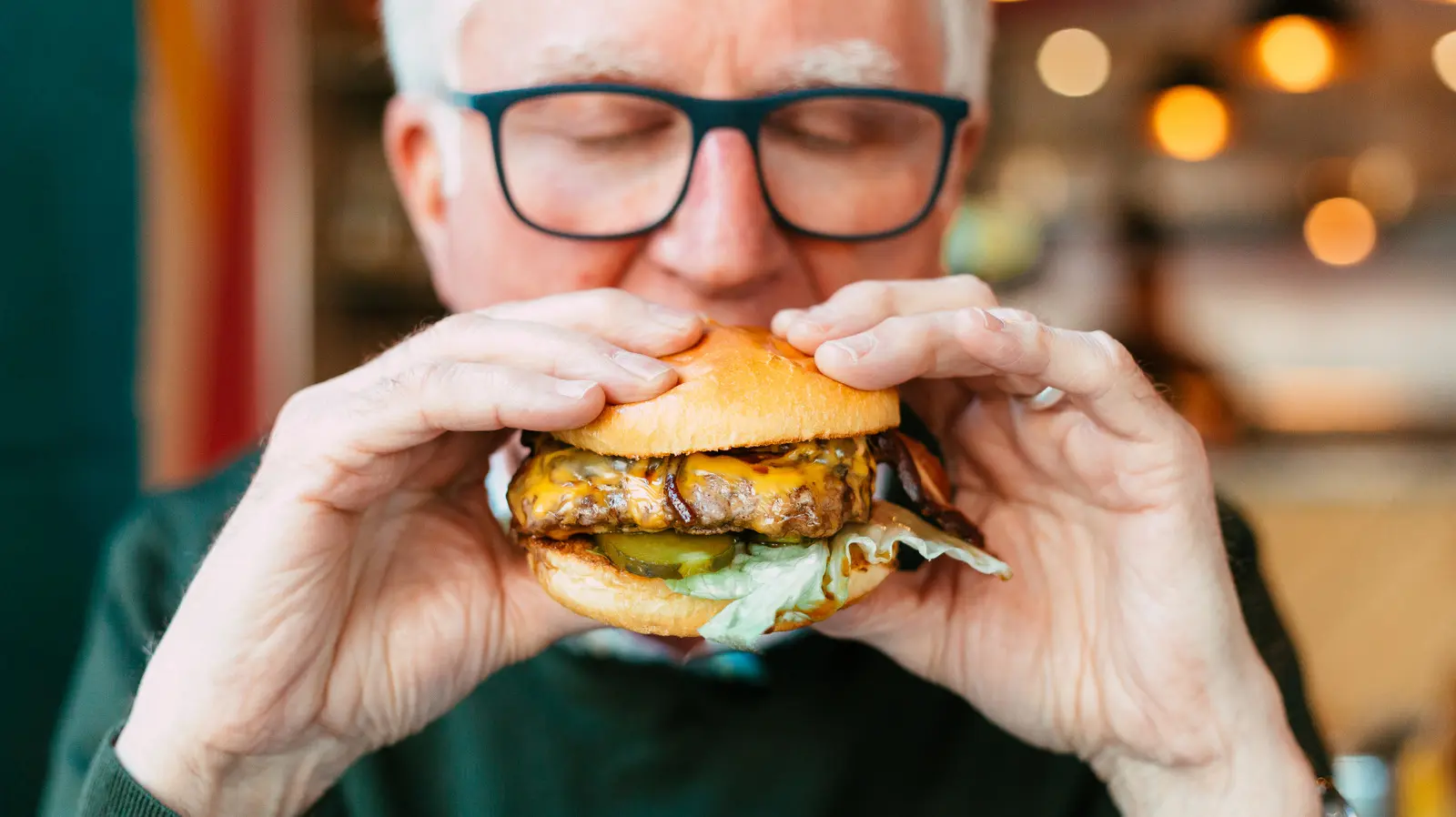
New data reveals that Baby Boomers actually spend more on fast food than younger generations. This finding challenges the common narrative that Gen Z relies excessively on delivery apps. The statistics come from an analysis by Nation’s Restaurant News. It highlights a significant shift in consumer behavior across age groups.
Latest news
 Costco's Frozen Dumpling Lineup, Ranked From Least To Most Tasty
 Best stainless-steel frying pans 2026: expert-tested picks for searing, eggs and daily cooking
 Trader Joe’s First‑Time Shopper Guide: Must‑Try Items
 Panda Express vs P.F. Chang's: Which Orange Chicken Is Healthier?
The popular image of young adults constantly ordering takeout is misleading. While social media often mocks this habit, the financial reality tells a different story. Boomers possess higher disposable incomes and established routines. They frequently choose fast food for convenience and speed. This demographic drives a substantial portion of industry revenue.
The data indicates that nearly 75 percent of all food orders come from older demographics. This statistic surprises many industry observers. Younger consumers may order more frequently through apps, but the average ticket size is lower. Boomers tend to purchase larger meals or multiple items per visit. Their spending habits are more consistent and predictable.
Is the Takeout Stigma Misplaced?
Fast food chains have historically targeted younger customers with digital marketing. However, the financial impact of Boomer spending is undeniable. These consumers value reliability and familiar menus. They are less likely to switch brands for minor price differences. This loyalty creates a stable customer base for major chains.
The criticism aimed at Gen Z overlooks the broader economic context. Younger generations often face tighter budgets and higher living costs. Their fast food consumption is driven by necessity rather than luxury. In contrast, Boomer spending reflects a lifestyle choice. They have the means to indulge without financial strain.
Industry experts note that this shift requires a strategic response. Chains must balance digital engagement with traditional service models. Understanding these distinct motivations is key to future growth. The data suggests a need for tailored marketing strategies. Each generation responds differently to pricing and promotions.
The fast food industry must adapt to these changing dynamics. Ignoring the Boomer segment could result in lost revenue. Future menu development should consider the preferences of older diners. Health-conscious options and comfortable seating areas may appeal to them. Balancing the needs of both groups is essential for long-term success.
Frequently Asked Questions
Do Boomers order more food than Gen Z? Yes, the data shows Boomers spend more on average per order. Their total contribution to fast food revenue is significantly higher.
Why is Gen Z criticized for takeout habits? Social media narratives often exaggerate the frequency of young people's orders. This perception ignores the higher spending power of older generations.
Which generation drives the most fast food revenue? Baby Boomers drive the majority of revenue. Their consistent spending and larger order sizes outweigh the frequency of younger orders.
Content written by [email protected] (Autumn Swiers) for fancy-meals.com editorial team, AI-assisted.