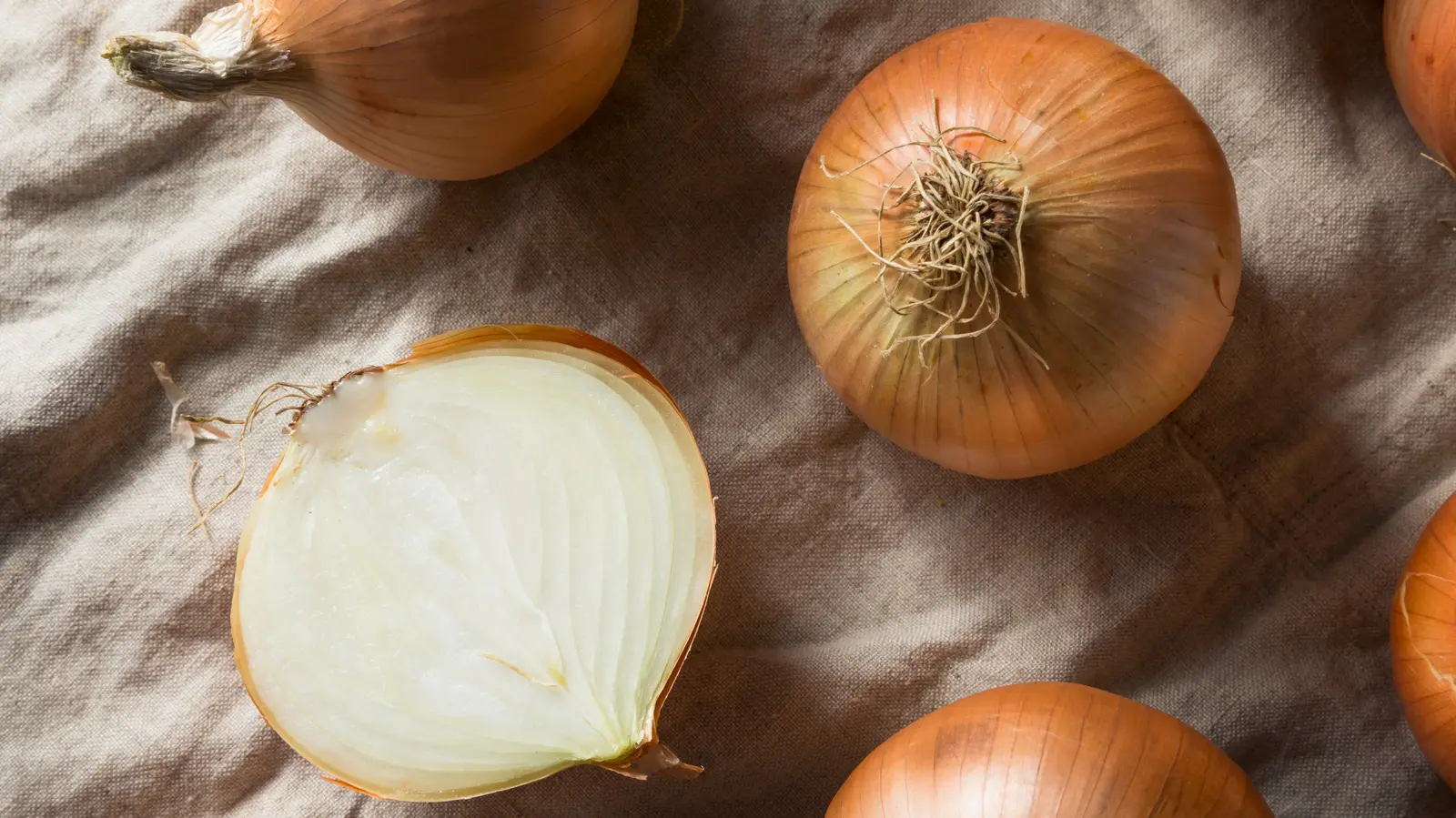
Bolder Onion Flavor Comes From Choosing the Right Variety
How Variety Influences Flavor
Onion lovers and chefs alike are urged to pick the right type of onion to enhance taste in everyday cooking. A recent guide highlights that selecting a specific variety can transform simple dishes, from classic mirepoix to quick pickles, into richer, more aromatic experiences. The advice comes amid a growing trend of home cooks seeking deeper flavor profiles in their meals.
Latest news
 Costco's Frozen Dumpling Lineup, Ranked From Least To Most Tasty
 Best stainless-steel frying pans 2026: expert-tested picks for searing, eggs and daily cooking
 Trader Joe’s First‑Time Shopper Guide: Must‑Try Items
 Panda Express vs P.F. Chang's: Which Orange Chicken Is Healthier?
The article explains that not all onions are created equal. While the common yellow onion is a kitchen staple, other varieties such as the sweet red or the robust white offer distinct flavor profiles. By choosing the appropriate onion, cooks can elevate the base of sauces, stews, and sautéed vegetables. The guide also notes that the timing of onion use—whether raw, caramelized, or roasted—plays a crucial role in unlocking its full potential.
Different onion types contain varying levels of sulfur compounds and sugars. Sweet onions, for instance, have higher sugar content, which caramelizes into a mellow, almost honey-like taste when cooked slowly. In contrast, white onions possess a sharper bite, ideal for dishes that require a pronounced onion presence. The guide recommends experimenting with these differences: start with a small batch of a new variety, cook it in a familiar recipe, and compare the outcome.
Can You Substitute Onions in Recipes?
Culinary experts suggest that the choice of onion can also affect texture. Red onions retain their crunch longer, making them suitable for salads and quick pickles, whereas yellow onions soften more readily, ideal for slow-cooked stews. The article cites a chef who noted that swapping a yellow for a sweet onion in a tomato-based sauce added depth without overpowering the dish.
Is it safe to replace one onion type with another in a recipe? The answer is yes, but with caution. Substituting a milder onion for a stronger one may dilute the intended flavor, while using a sweeter variety in a savory sauce could introduce unintended sweetness. The guide advises matching the onion’s intensity to the dish’s profile. For example, a robust white onion works well in a beef bourguignon, whereas a sweet onion is better suited for a fruit salsa.
The article also touches on storage and shelf life. Sweet onions tend to last longer when kept in a cool, dry place, whereas white onions are more prone to sprouting if stored too long. Proper storage preserves flavor and prevents spoilage, ensuring that the chosen variety remains at its peak when needed.
Looking ahead, the trend toward flavor-focused cooking is likely to grow. Home cooks are increasingly experimenting with diverse ingredients, and onions—being versatile and affordable—serve as a perfect starting point. By understanding the nuances of each variety, chefs and home cooks alike can craft dishes that resonate with deeper, more satisfying flavors.
Frequently Asked Questions
What is the best onion for a quick pickle? A sweet red onion is ideal because its mild flavor and firm texture hold up well during pickling, offering a crisp bite without overpowering the brine.
Can I use a white onion in a caramelized sauce? Yes, but it will produce a sharper, more pronounced flavor. If you prefer a gentler sweetness, choose a yellow or sweet onion instead.
How long do onions last when stored properly? Yellow onions can last up to three months in a cool, dry place, while sweet onions may last slightly longer if kept away from moisture.
Content written by [email protected] (Claire Coit) for fancy-meals.com editorial team, AI-assisted.