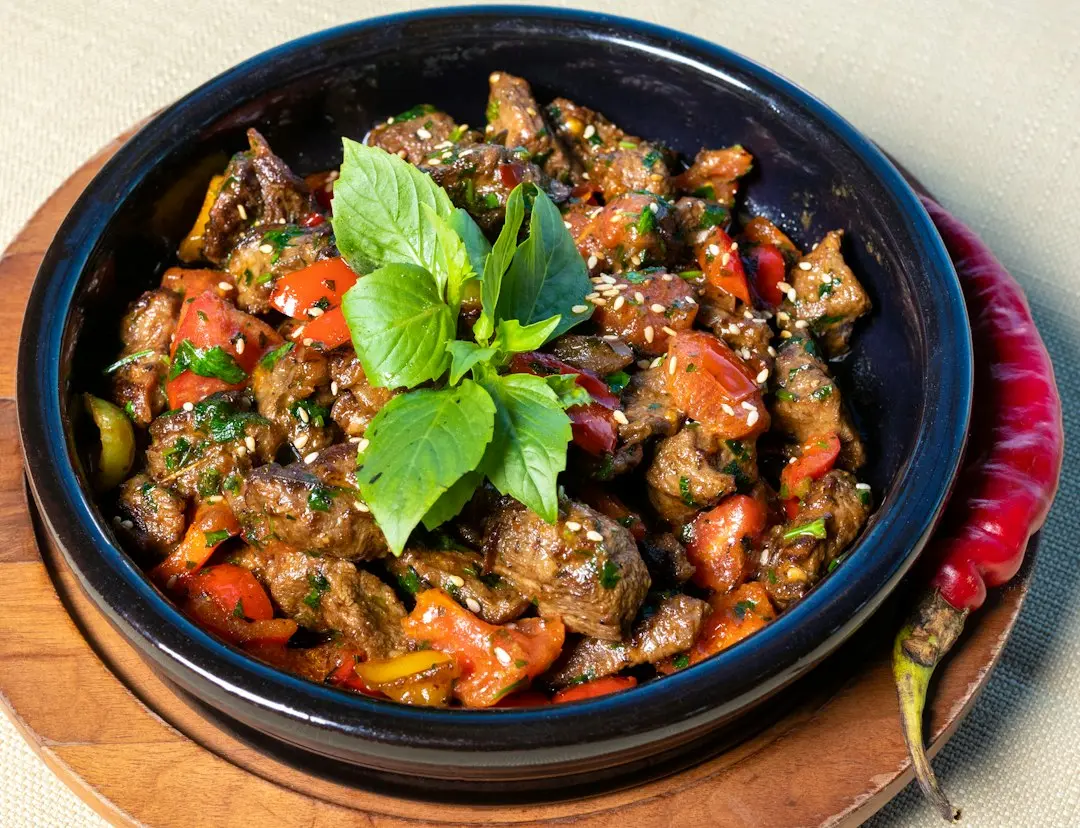
Beef Bulgogi Lettuce Wraps Redefine Classic Korean Comfort Food
The Science Behind the Sweet Marinade
In South Korea, Bulgogi stands as the definitive representation of national culinary heritage. This iconic dish features paper-thin slices of beef that have been deeply infused with complex flavors. The preparation involves a specific marinade that balances sweetness with deep umami notes. Chefs sear these slices over intense heat until the exterior caramelizes perfectly. This technique creates a distinct char that contrasts sharply with the tender interior meat.
Latest news
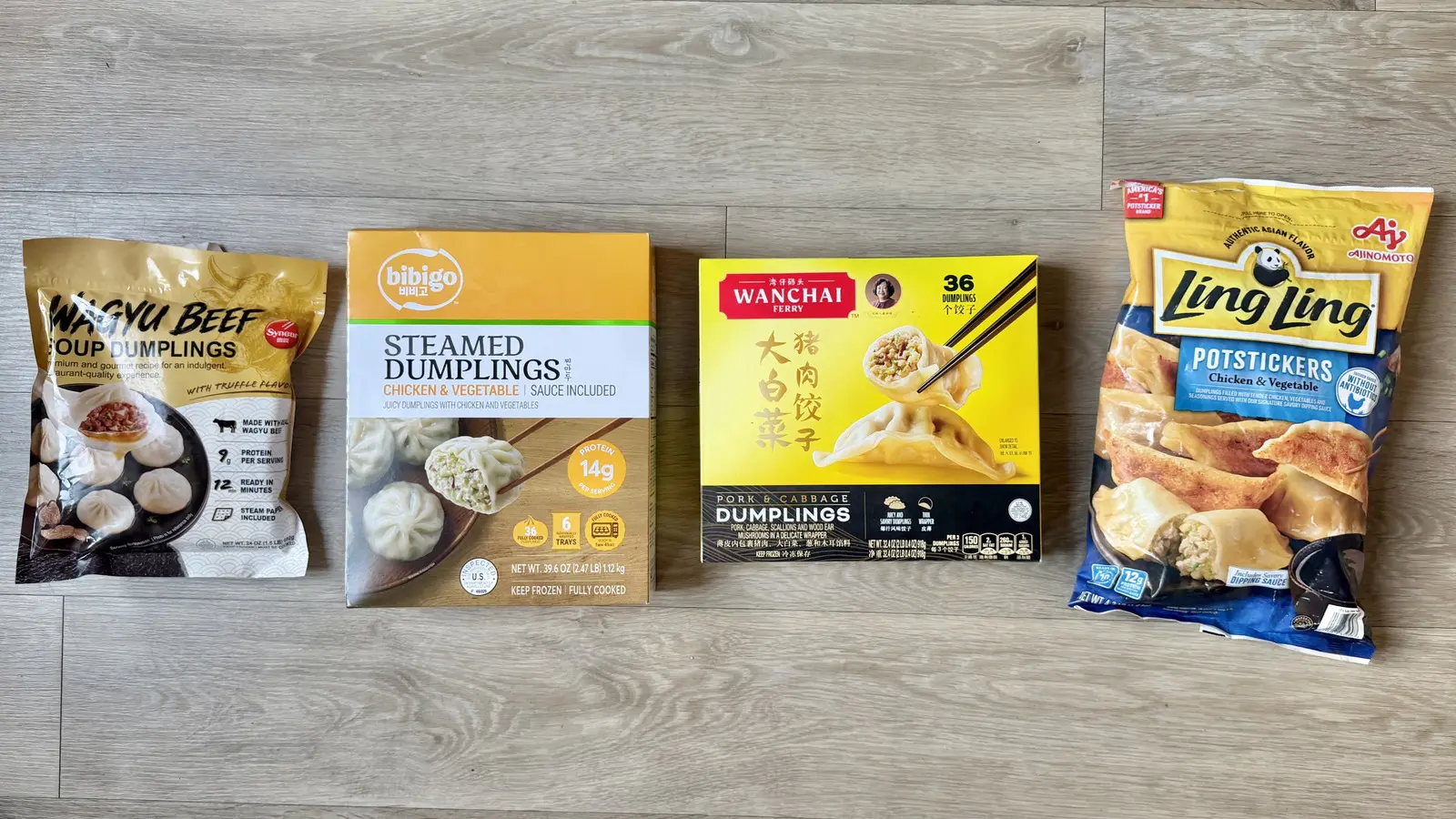 Costco's Frozen Dumpling Lineup, Ranked From Least To Most Tasty
 Best stainless-steel frying pans 2026: expert-tested picks for searing, eggs and daily cooking
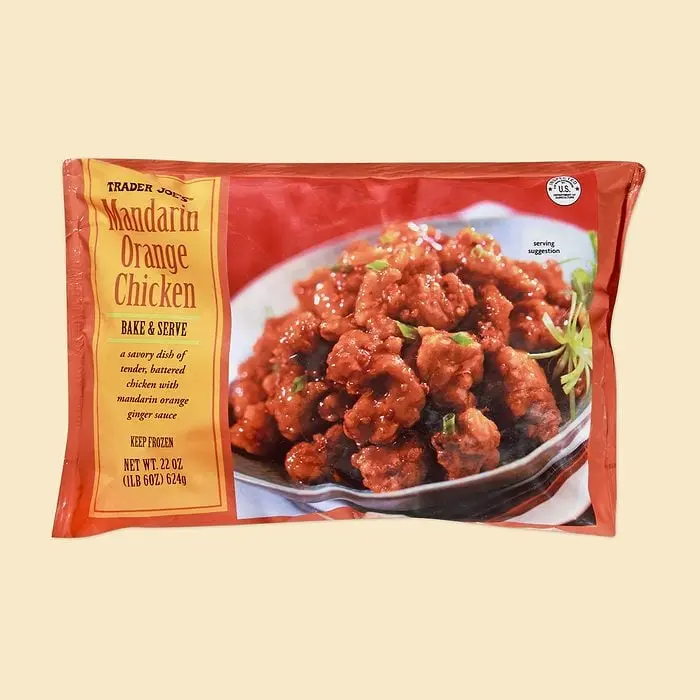 Trader Joe’s First‑Time Shopper Guide: Must‑Try Items
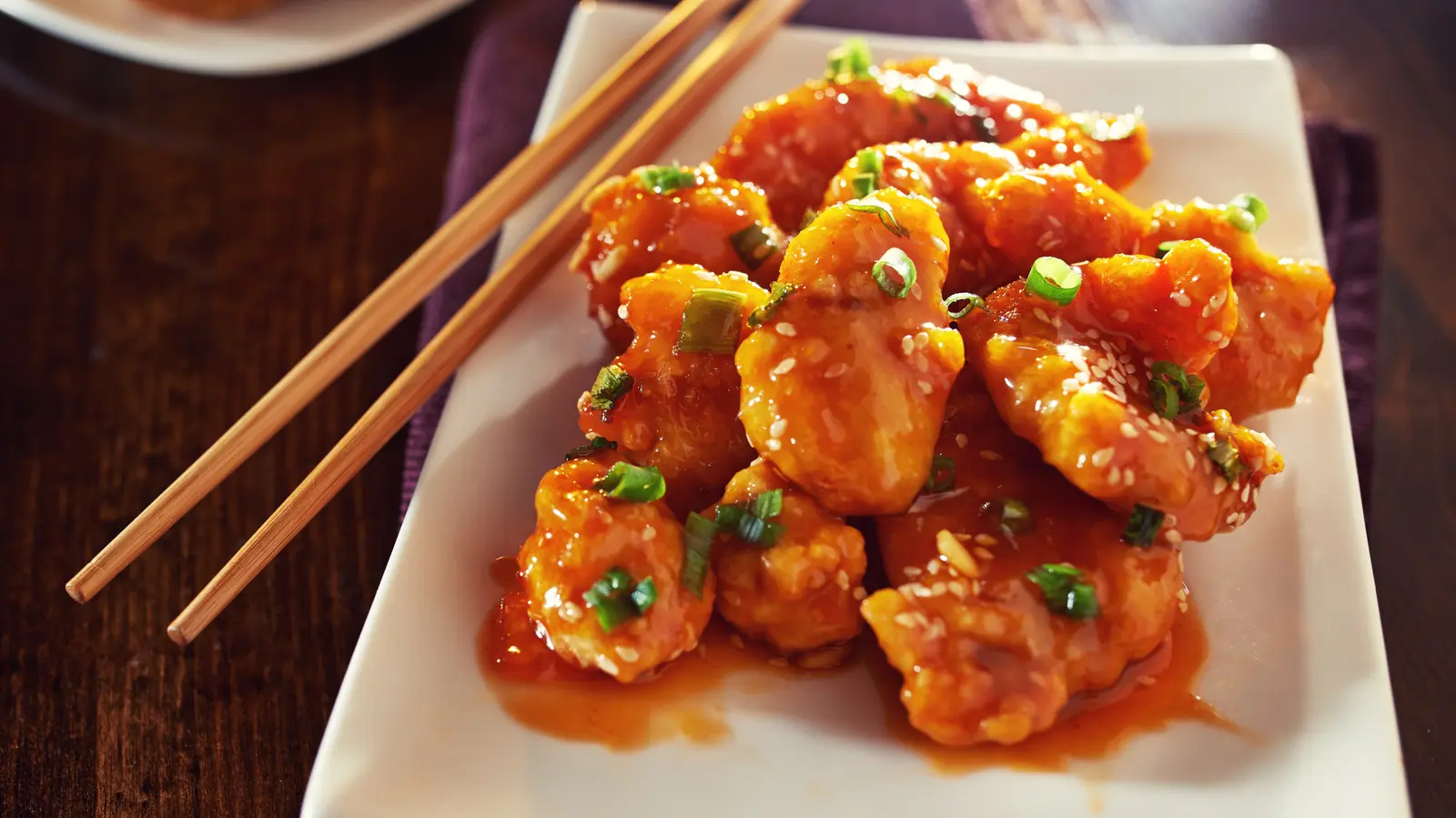 Panda Express vs P.F. Chang's: Which Orange Chicken Is Healthier?
The core appeal of this dish lies in its accessibility for new cooks. The flavor profile is gentle enough for those unfamiliar with Asian cuisine yet robust enough for seasoned palates. The marinade combines soy sauce, sesame oil, minced garlic, and grated Asian pear. These ingredients work together to tenderize the beef while adding a subtle fruity depth. The result is a dish that serves as an ideal gateway into the broader world of Korean cooking traditions.
The secret to authentic Bulgogi texture rests heavily on the inclusion of Asian pear. This fruit contains natural enzymes that break down tough muscle fibers in the beef. This enzymatic action ensures the meat remains soft even after high-heat searing. The sugar content in the pear also facilitates the Maillard reaction during cooking. This chemical process produces the desirable browned crust on the meat’s surface. Without this specific ingredient, the dish lacks its characteristic balance of tender chew and caramelized sweetness.
Why Lettuce Wraps Enhance the Experience
Home cooks often find the assembly process straightforward and quick. The sliced beef requires minimal active preparation time once marinated. The high-heat searing step takes only minutes, making it suitable for busy weeknight dinners. The dish pairs exceptionally well with fresh lettuce leaves, which serve as edible containers. This wrapping method adds a crisp, refreshing crunch that cuts through the rich, savory flavors of the meat. The combination of textures creates a satisfying contrast in every bite.
Using lettuce cups transforms the presentation from a standard plate of meat to an interactive eating experience. Diners can control the portion size of each wrap according to their preference. The fresh green vegetable provides a necessary palate cleanser between bites of the savory beef. This element lightens the overall meal without diluting the strong flavors of the marinade. The visual contrast between the dark meat against bright green leaves also makes the dish highly appealing.
Frequently Asked Questions
The versatility of this preparation allows for various customization options. Cooks can add julienned carrots or scallions inside the wraps for extra color. Some variations include a drizzle of sesame seeds for additional nutty aroma. The dish remains faithful to its roots while accommodating modern dietary preferences. It demonstrates how traditional techniques can be adapted for contemporary home kitchens easily.
Can I use regular pear instead of Asian pear? Regular pears can work in a pinch, but Asian pears offer a drier flesh and milder flavor. They provide the optimal enzymatic breakdown without introducing excess water content into the marinade.
How long should the beef marinate? A minimum of thirty minutes is required for the flavors to penetrate the meat. For best results, marinating overnight in the refrigerator yields the most tender and flavorful outcome.
Content written by Kalle Bergman for fancy-meals.com editorial team, AI-assisted.