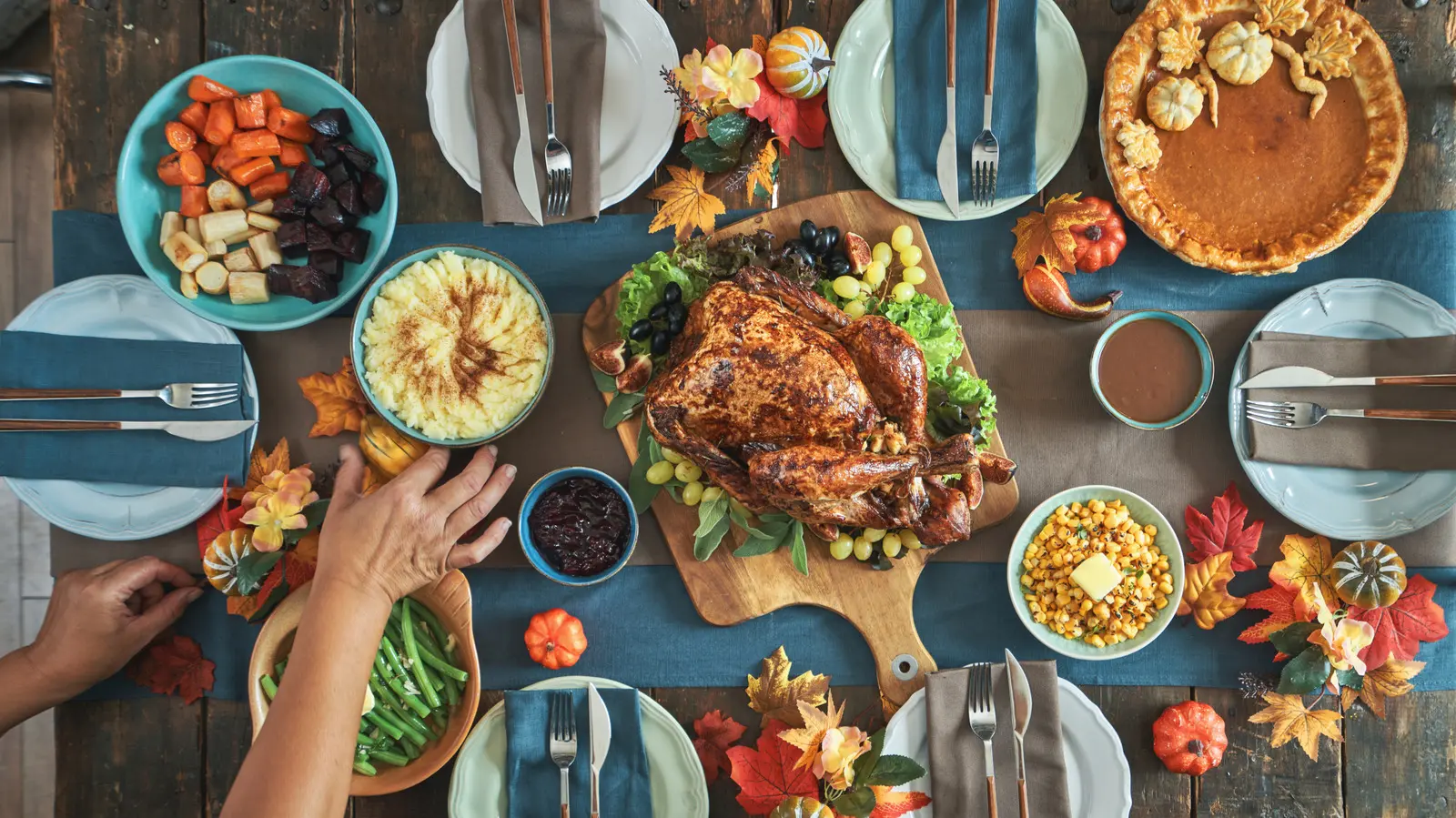
Autumn brings a distinct culinary identity defined by warm spices and hearty ingredients
The Hierarchy of Seasonal Flavors
The season transforms dining habits across North America. People seek comfort in rich, savory, and sweet dishes. The air cools, prompting a shift toward heavier meals. This transition marks a cultural shift in food preferences. Families gather around tables laden with seasonal produce. The menu features specific crops harvested during these months. These ingredients become central to holiday traditions. The sensory experience of fall is deeply tied to taste.
Latest news
 Costco's Frozen Dumpling Lineup, Ranked From Least To Most Tasty
 Best stainless-steel frying pans 2026: expert-tested picks for searing, eggs and daily cooking
 Trader Joe’s First‑Time Shopper Guide: Must‑Try Items
 Panda Express vs P.F. Chang's: Which Orange Chicken Is Healthier?
Eighteen specific foods dominate the autumnal landscape. Apple cider stands as a primary beverage choice. Its sweet, spiced profile complements the crisp weather. Pumpkin pie remains a staple for many households. The combination of pumpkin puree and cinnamon is iconic. Chili offers a robust option for colder evenings. Butternut squash provides a versatile base for soups and roasts. Green bean casserole, often associated with Thanksgiving, appears early in the season. Dinner rolls provide a soft contrast to savory entrees. Stuffing, or dressing, serves as a essential side dish. These items form the backbone of fall dining.
Why These Dishes Define the Season
The ranking of these foods reflects cultural popularity. Some items are strictly seasonal, while others have year-round availability. However, their peak consumption aligns with autumn. The presence of turkey signals the approach of major holidays. Acorns and swirling leaves set the visual stage for these meals. The connection between nature and cuisine is strong. People associate the falling of leaves with the harvest. This link reinforces the desire for traditional recipes. The act of cooking these dishes is a ritual. It connects generations through shared culinary experiences.
The popularity of these foods stems from agricultural cycles. Pumpkins and apples reach peak ripeness in late summer and early fall. This timing ensures optimal flavor and texture. The weather encourages indoor dining and social gatherings. Heavier foods provide necessary calories for colder temperatures. The psychological comfort of warm meals is significant. Spices like nutmeg and clove are traditionally linked to autumn. These aromas evoke memories of past holidays. The cultural weight of these dishes is substantial. They are not just nutrition but symbols of the season.
Looking ahead, these trends are likely to persist. The core ingredients remain staples of the North American diet. New variations may emerge, but the classics endure. The demand for seasonal produce continues to grow. Consumers increasingly seek locally sourced ingredients. This trend supports local farmers and reduces transport emissions. The culinary landscape of fall remains stable. It is a period of reflection and celebration through food. The ranking of these eighteen items highlights their importance. They are more than just meals. They are cultural markers of the changing seasons.
Frequently Asked Questions
Which food is considered the most iconic of the fall season? Pumpkin pie is widely regarded as the quintessential autumn dessert. Its association with Thanksgiving and fall harvests makes it a top contender.
Are these foods only available during the autumn months? While peak availability occurs in fall, many ingredients like apples and squash can be stored. They remain accessible in other seasons, though flavor may vary.
Content written by [email protected] (Sierra Winters) for fancy-meals.com editorial team, AI-assisted.