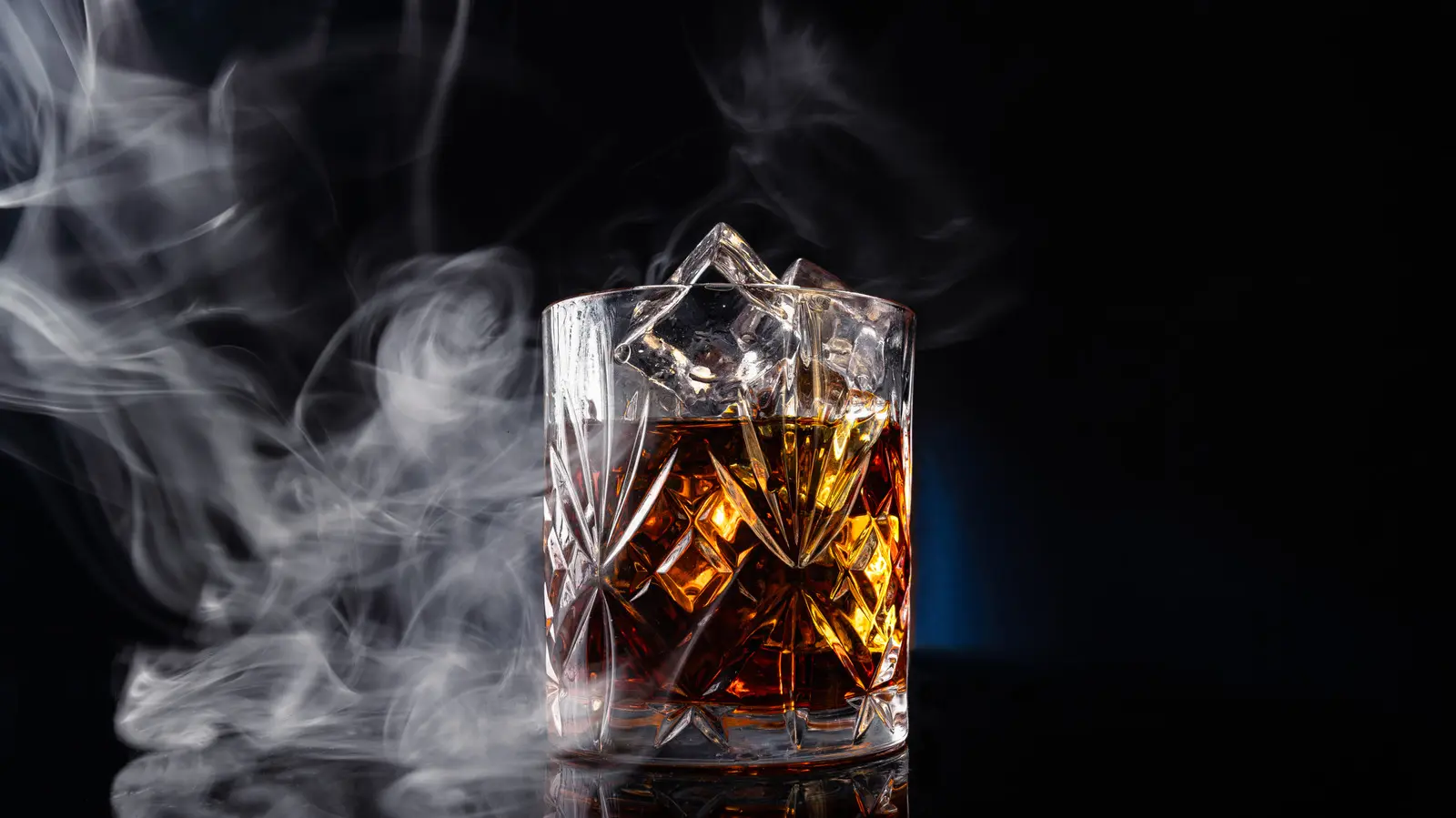
American Whiskeys That Emulate the Smolder of Smoky Scotch
Crafting Smoky Character: The Science Behind Peat in American Whiskeys
In the United States, distillers are increasingly experimenting with peat and other smoky techniques to satisfy fans of traditional Scotch. From Kentucky bourbons that add charred oak to California single malts that use peat‑infused malted barley, a dozen brands now offer a smoky profile that rivals the classic Islay single malts. These spirits are available across the country, with most distributors shipping nationwide and several featuring limited‑edition releases that prompt collectors to act quickly.
Latest news
 Costco's Frozen Dumpling Lineup, Ranked From Least To Most Tasty
 Best stainless-steel frying pans 2026: expert-tested picks for searing, eggs and daily cooking
 Trader Joe’s First‑Time Shopper Guide: Must‑Try Items
 Panda Express vs P.F. Chang's: Which Orange Chicken Is Healthier?
The trend began in the early 2010s, when craft distillers began importing peat from Scotland and experimenting with it in their own mash bills. By blending peat‑smoked malted barley with American grains, they create a flavor that balances the sweetness of corn and rye with the deep, resinous aroma of peat fire. Many of these whiskeys are finished in barrels that have previously held Scotch or wine, adding layers of complexity that appeal to connoisseurs. The result is a spirit that feels both familiar and novel, offering the smoky bite of a Scotch without the high price tag.
Peat is a partially decomposed plant material that, when burned, releases phenolic compounds. These compounds infuse the barley with a distinct aroma and taste profile. American distillers source peat from various regions, including the United Kingdom and the U. S. Midwest, and then dry the barley over these peat fires. The process is carefully monitored to avoid overpowering the spirit. Some distilleries also use peat‑smoked malt in the mash, while others apply peat during the fermentation stage, allowing the yeast to interact with the phenols. The result is a whiskey that carries a smoky backbone, complemented by notes of vanilla, caramel, and toasted oak.
Is a Smoky American Whiskey Worth the Price?
The addition of peat does not replace the traditional American character of the spirit. Instead, it layers the familiar sweetness of corn or rye with the earthy, smoky undertones of peat. This hybrid flavor profile has attracted both bourbon lovers and Scotch enthusiasts. Critics praise the balance, noting that the peat does not dominate but rather enhances the overall complexity. As a result, several of these whiskeys have earned accolades in international competitions, proving that American distillers can match the smoky sophistication of their Scottish counterparts.
How do these spirits compare to classic Scotch in terms of cost and quality?
The price point of smoky American whiskeys typically falls between $30 and $60 for a 750‑ml bottle, depending on age and rarity. In contrast, a single‑malt Scotch from a well‑known distillery can range from $50 to $200 for the same volume. While the American options are generally more affordable, the quality varies. Some brands achieve a deep, complex peat character that rivals premium Scotch, while others offer a lighter, more approachable smoke. Consumers should look for third‑party reviews and tasting notes to gauge whether a particular whiskey meets their expectations.
The growing popularity of these spirits also reflects a broader shift toward craft and experimental flavors in the U. S. market. Distilleries are increasingly marketing their smoky offerings as premium products, and many are collaborating with local cooperages to produce custom barrels that further enhance the peat influence. As the craft whiskey scene expands, consumers can expect more innovative blends that push the boundaries of traditional American whiskey.
Frequently Asked Questions
What is the main difference between a smoky American whiskey and a traditional Scotch? A smoky American whiskey typically uses local grains like corn or rye and may finish in American oak barrels, whereas Scotch is made from malted barley and aged in ex‑bourbon or sherry casks, giving it a distinct flavor profile.
Do all smoky American whiskeys use peat? Most do, but some rely on alternative methods such as charred oak or smoked barrels to achieve a similar smoky aroma without peat.
Where can I find these whiskeys if I live outside major cities? Many distilleries ship nationwide, and specialty liquor stores often carry limited‑edition releases. Online retailers also offer a wide selection for home delivery.
Content written by [email protected] (Kenny Jarvis) for fancy-meals.com editorial team, AI-assisted.