
Add a Simple Ingredient to Chocolate Chip Cookies for Unmatched Softness and Flavor
How Cream of Tartar Transforms Cookie Chemistry
A home baker in the United States discovered that a single addition to a classic chocolate‑chip cookie dough can boost both taste and chewiness dramatically. The tip, shared on a popular cooking blog on September 13, 2026, promises cookies that stay tender for days without sacrificing the familiar buttery crunch.
Latest news
 Costco's Frozen Dumpling Lineup, Ranked From Least To Most Tasty
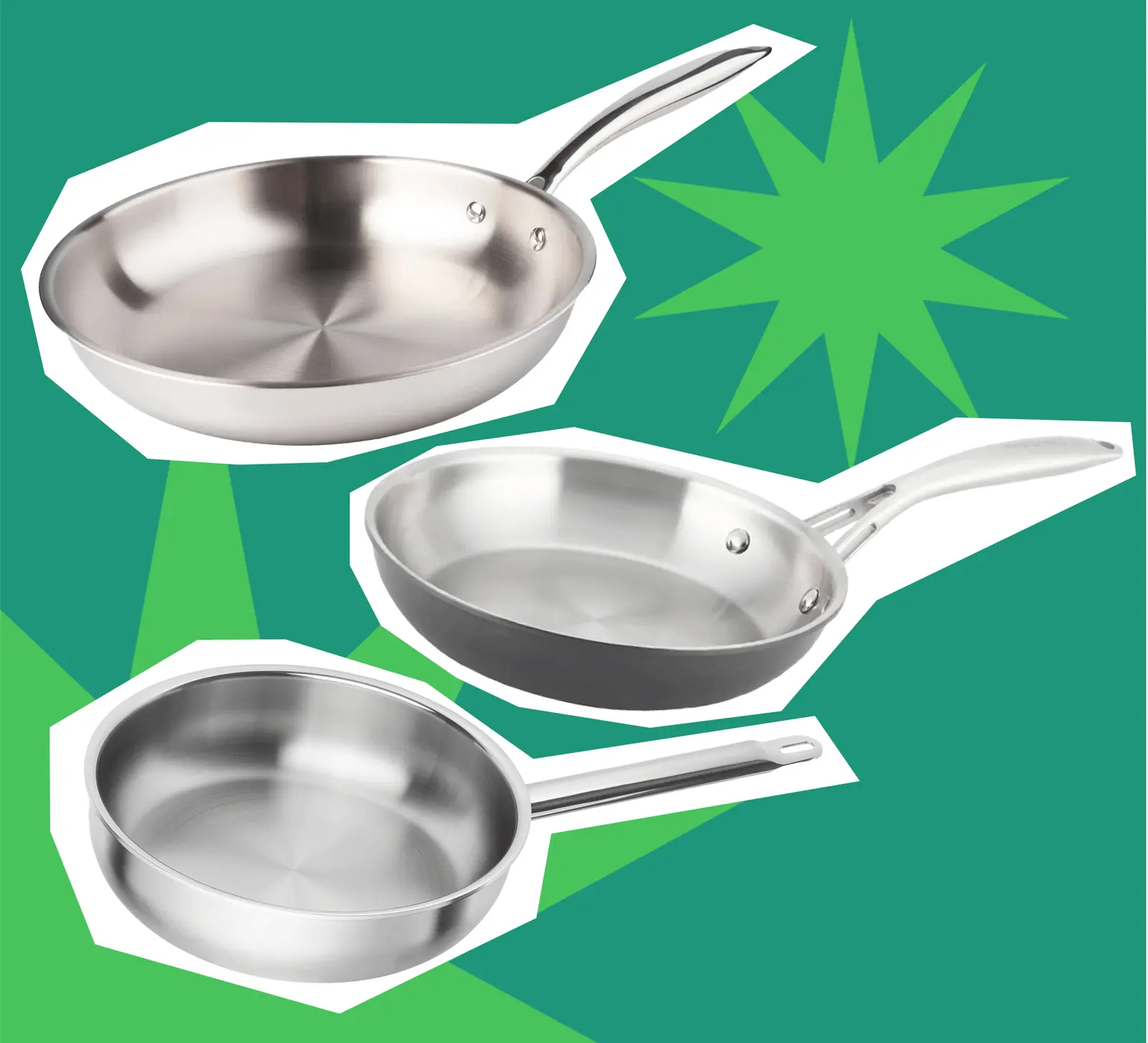 Best stainless-steel frying pans 2026: expert-tested picks for searing, eggs and daily cooking
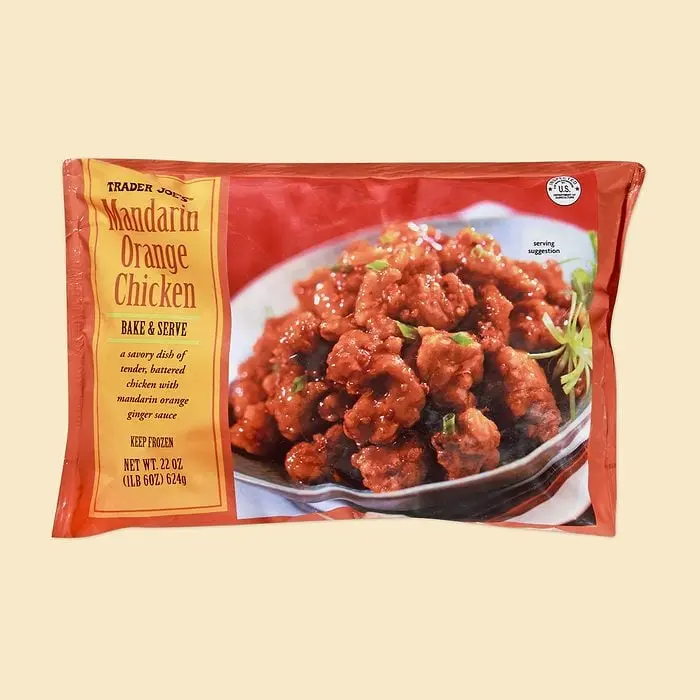 Trader Joe’s First‑Time Shopper Guide: Must‑Try Items
 Panda Express vs P.F. Chang's: Which Orange Chicken Is Healthier?
The secret ingredient is a modest amount of cream of tartar, a white powder usually reserved for stabilizing egg whites. When mixed into the wet components of the dough, it alters the pH balance, weakening gluten formation and trapping more moisture. The result is a cookie that spreads slightly, develops a golden edge, and remains soft long after cooling. Bakers who tried the method reported a richer, more rounded flavor profile, as the additive also enhances the caramelization of sugars.
In standard recipes, flour and butter create a network of gluten that can make cookies tough if over‑mixed. Cream of tartar, an acidic compound, interferes with this network, allowing the dough to stay pliable. It also reacts with baking soda, producing extra carbon dioxide bubbles that lift the batter gently. The extra lift creates a lighter crumb while keeping the cookie thin enough for a crisp edge.
Can This Trick Replace Other Softening Methods?
Home bakers who incorporated a quarter‑teaspoon per cup of flour noted that the cookies stayed soft for up to five days when stored in an airtight container. „I was skeptical at first,” said one enthusiast, „but the texture was noticeably softer, and the chocolate chips melted perfectly into the dough.” The technique requires no special equipment—just a quick whisk of the cream of tartar into the sugar‑butter mixture before adding flour.
Many bakers rely on adding extra brown sugar, corn syrup, or even a slice of bread to keep cookies moist. The cream‑of‑tartar method offers a cleaner alternative, eliminating extra sugars that can alter the flavor balance. Because the additive is used in tiny quantities, it does not add noticeable tartness, making it ideal for those who prefer the classic sweet profile. Moreover, the approach works with both drop‑style and rolled cookies, giving flexibility to various styles.
The broader baking community is taking note, with several online forums reporting repeat successes. Some experts suggest pairing the ingredient with a touch of vanilla extract for an even deeper aroma. As more home cooks experiment, the technique could become a staple in cookie recipes, potentially reducing the need for preservatives that aim to extend freshness.
The next wave of cookie enthusiasts may find that a pantry staple can replace more complex tricks. If the trend continues, we could see a shift toward simpler, science‑backed baking methods that deliver consistent results without extra cost.
Frequently Asked Questions
What amount of cream of tartar should I use? Add about ¼ teaspoon for every cup of flour. This small quantity is enough to affect texture without changing flavor.
Will the ingredient affect the cookie’s taste? Not noticeably. It works mainly on the dough’s chemistry, leaving the classic chocolate‑chip flavor intact.
Can I use this in gluten‑free cookie recipes? Yes. Cream of tartar functions the same way in gluten‑free flours, helping to keep the final product tender.
Content written by Victoria Lane for fancy-meals.com editorial team, AI-assisted.