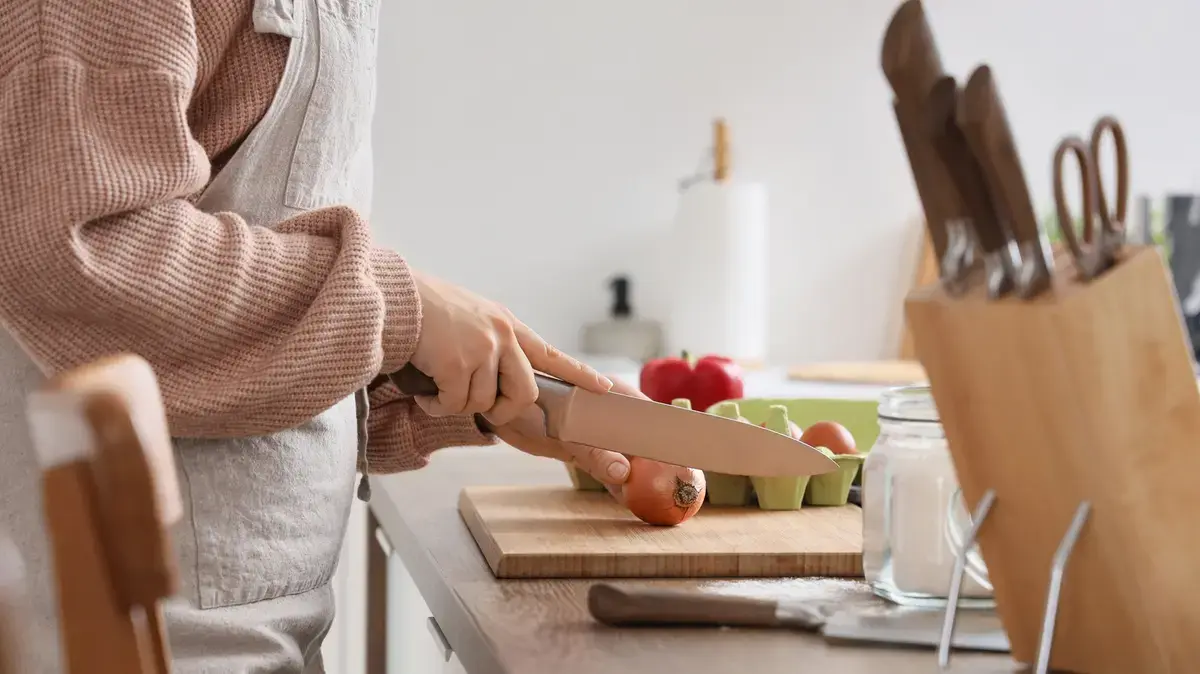
A Chef’s Knife: Lifespan and Care
The Steel Determines the Years
A quality chef’s knife is a kitchen essential. Many home cooks wonder how long these tools truly last. Proper care dramatically extends a knife’s life. This article explores the longevity of a well-maintained chef’s knife.
Latest news
 Costco's Frozen Dumpling Lineup, Ranked From Least To Most Tasty
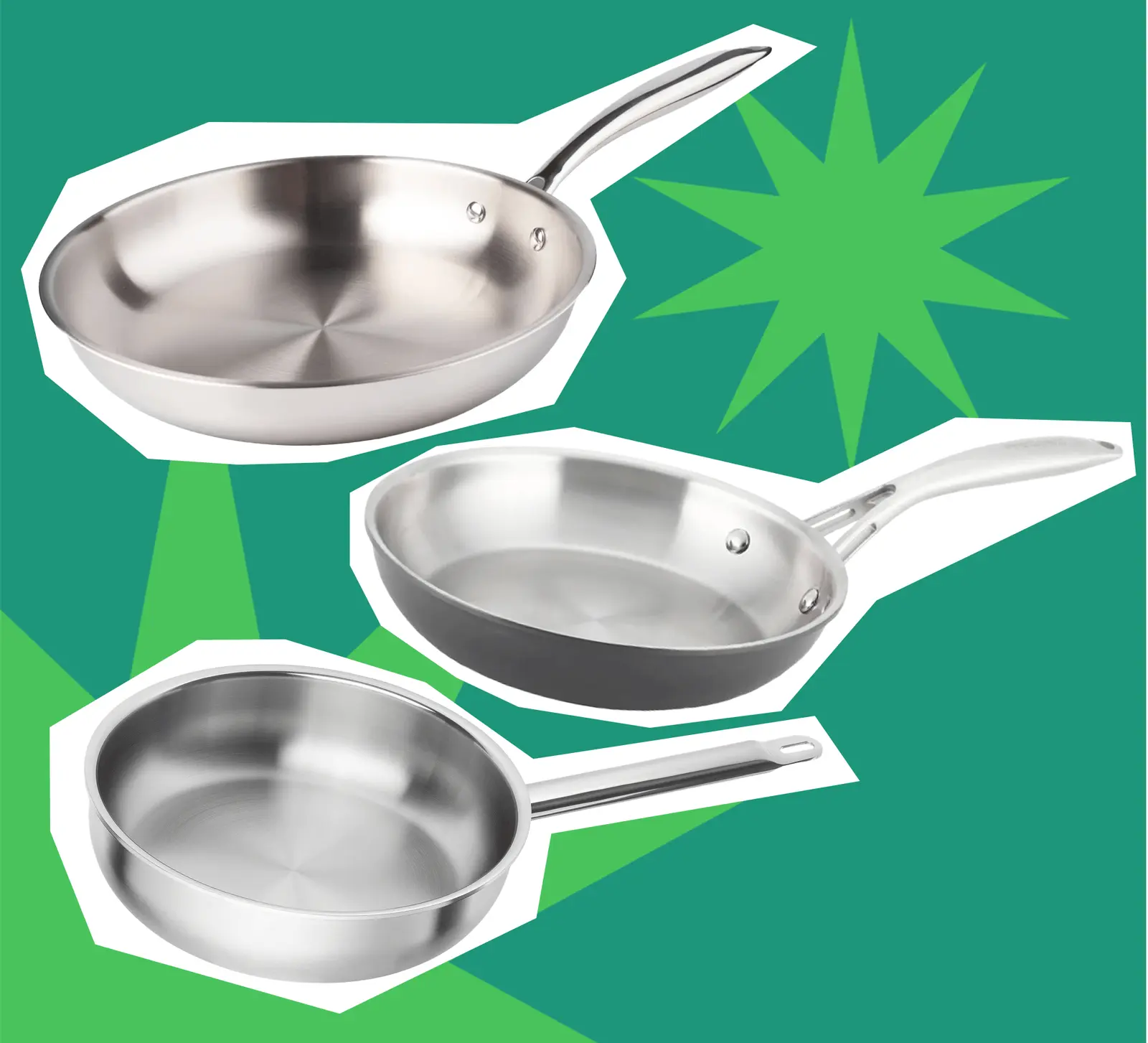 Best stainless-steel frying pans 2026: expert-tested picks for searing, eggs and daily cooking
 Trader Joe’s First‑Time Shopper Guide: Must‑Try Items
 Panda Express vs P.F. Chang's: Which Orange Chicken Is Healthier?
A new chef’s knife feels exceptional. It cuts through ingredients effortlessly. But that initial sharpness won’t last forever. The lifespan depends heavily on the steel quality and how well you treat it. High-quality knives aren’t disposable items. They’re investments meant to last for years, even decades.
The type of steel is the biggest factor. Carbon steel knives hold an edge well but require more maintenance. Stainless steel is easier to care for but might not retain sharpness as long. High-carbon stainless steel offers a good balance. It combines durability with reasonable ease of upkeep.
A truly exceptional knife, made with premium materials and expertly crafted, can last a lifetime. With consistent care, it becomes a trusted companion. Lower-quality knives, even if stainless steel, may only last five to ten years before needing replacement. The blade may chip, bend, or lose its ability to hold an edge.
Can a Knife Really Last Forever?
The idea of a knife lasting forever isn’t unrealistic. However, it requires diligent care. This includes regular honing and sharpening. Honing realigns the blade’s edge, while sharpening removes metal to create a new one. Both are crucial for maintaining performance.
Proper cleaning is also vital. Avoid dishwashers, which can damage the blade and handle. Hand washing with mild soap and warm water is best. Dry the knife immediately to prevent rust and corrosion. Storage also matters. A knife block or magnetic strip protects the blade from damage.
Ignoring maintenance will shorten a knife’s life considerably. A dull knife is not only frustrating to use, but also more dangerous. It requires more force, increasing the risk of slipping and causing injury. Investing time in care pays off in safety and performance.
Frequently Asked Questions
Ultimately, a high-quality chef’s knife, treated with respect, can become a family heirloom. It’s a tool that improves with age. The slight imperfections from years of use tell a story. A well-cared-for knife isn’t just a kitchen utensil; it’s a testament to craftsmanship and culinary passion.
How often should I sharpen my chef’s knife? Sharpening frequency depends on usage. A good rule of thumb is to professionally sharpen it once or twice a year. Hone the blade every time before use to maintain the edge.
Is carbon steel really that much better? Carbon steel holds a sharper edge for longer. However, it’s prone to rust and requires immediate drying after washing. Stainless steel is more convenient but needs more frequent sharpening.
What’s the best way to store a chef’s knife? Store knives in a block, on a magnetic strip, or with blade guards. Avoid tossing them into a drawer, as this can damage the blade and pose a safety hazard.
Content written by Henry Cross for fancy-meals.com editorial team, AI-assisted.