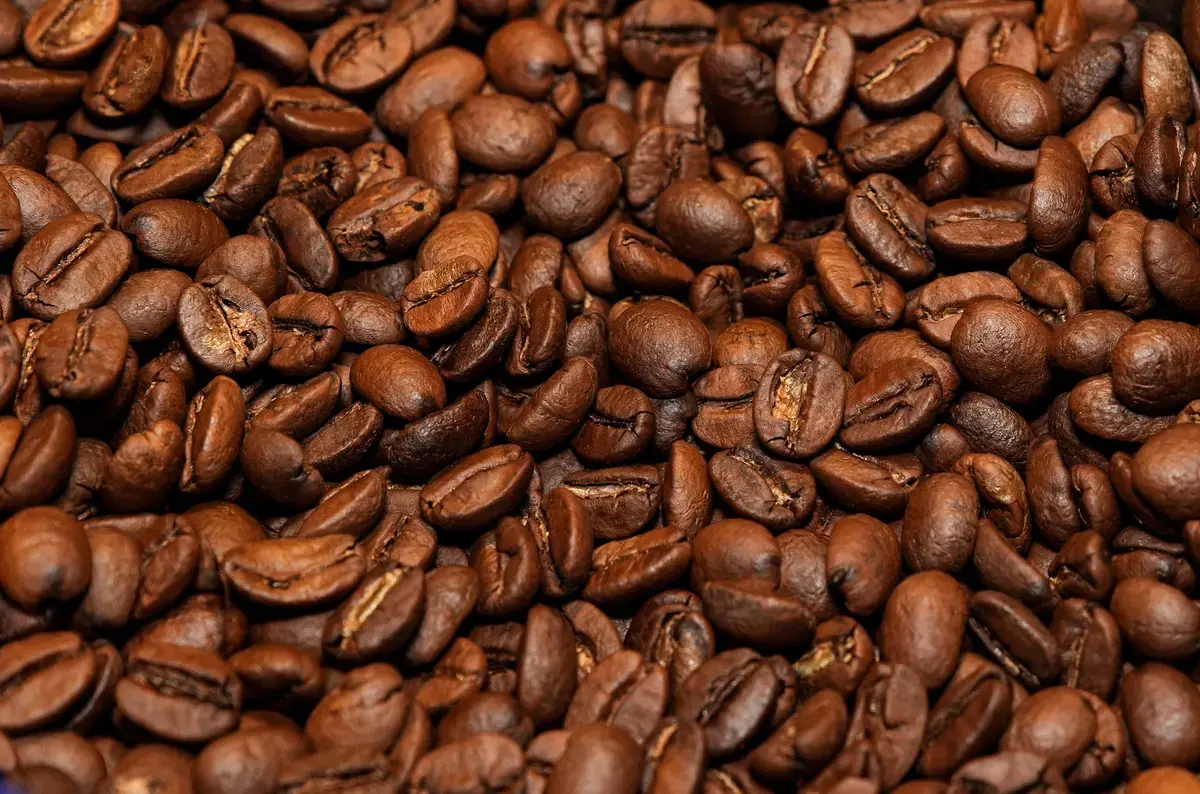
25 Types of Coffee: A Guide to the Perfect Cup
The Bean: What's in a Name?
Coffee is a global phenomenon, with two billion cups consumed daily. The diverse world of coffee can be overwhelming, with various beans, brewing methods, and styles to navigate. Every cup starts with a coffee bean that defines its flavour and aroma.
Latest news
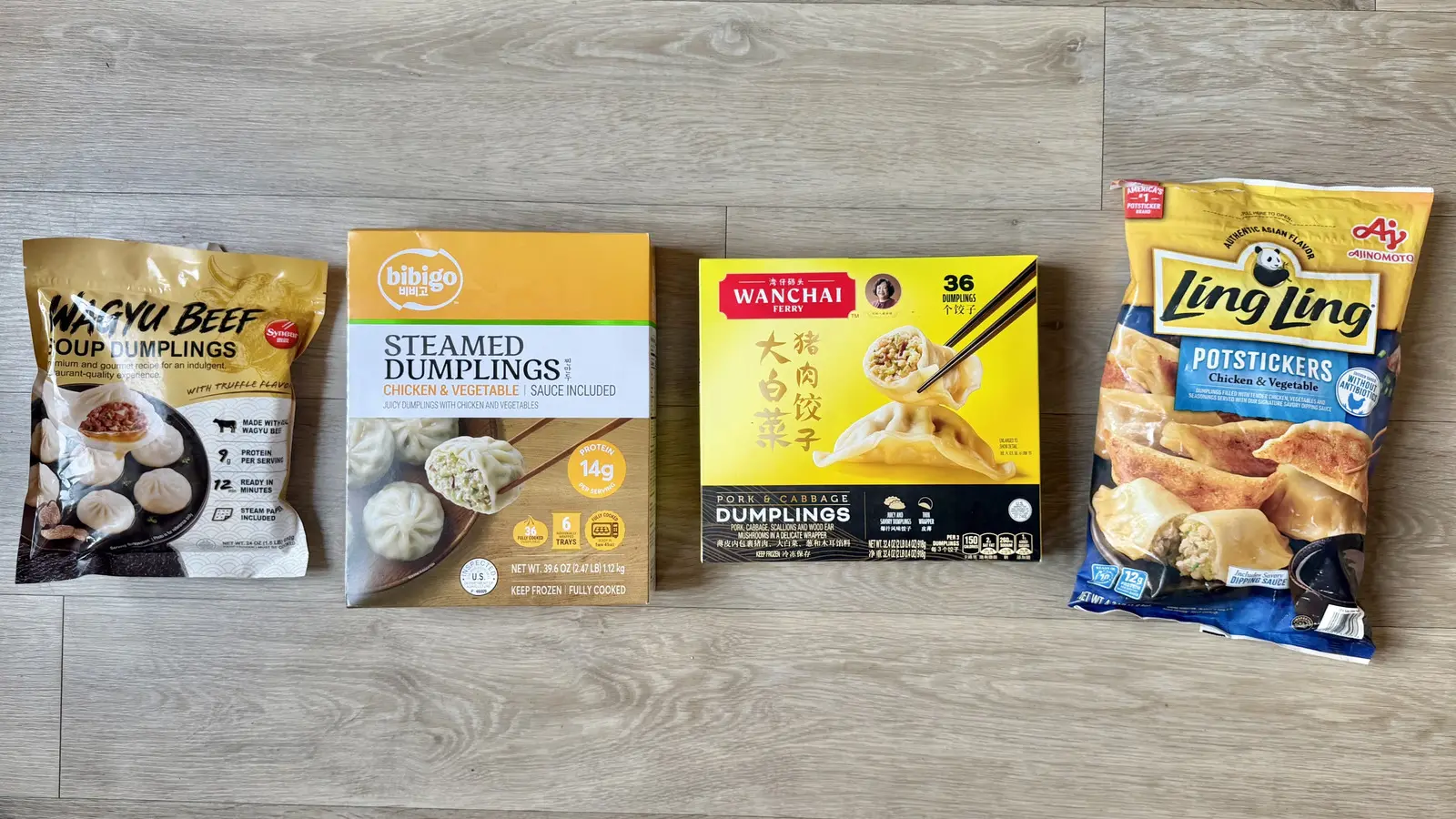 Costco's Frozen Dumpling Lineup, Ranked From Least To Most Tasty
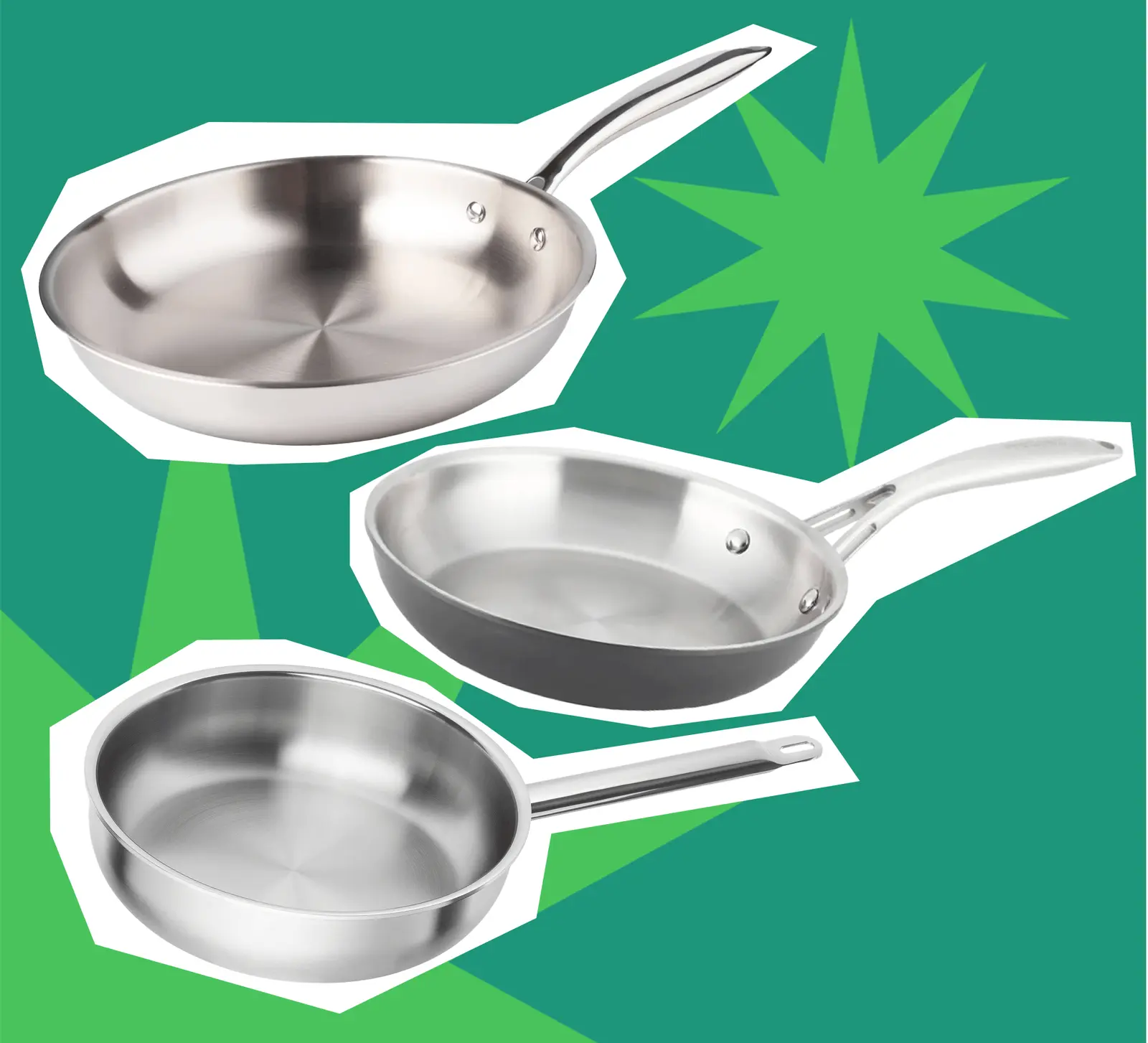 Best stainless-steel frying pans 2026: expert-tested picks for searing, eggs and daily cooking
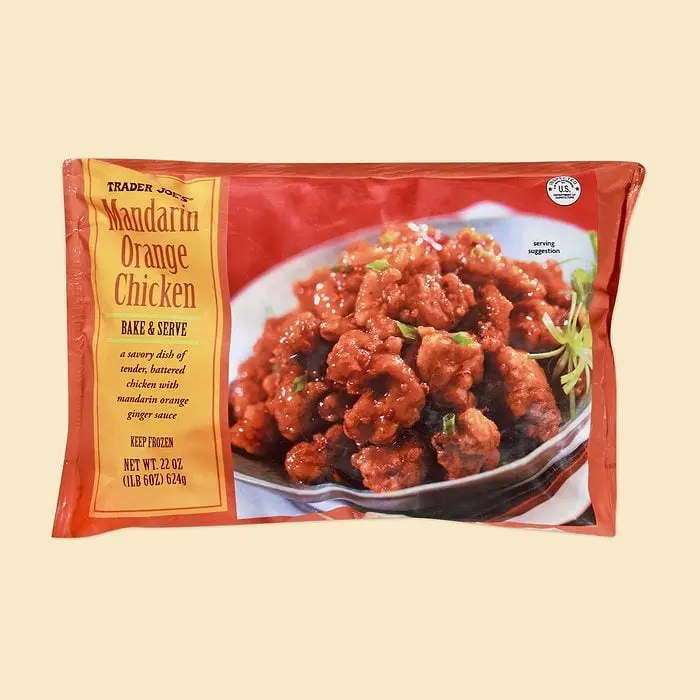 Trader Joe’s First‑Time Shopper Guide: Must‑Try Items
 Panda Express vs P.F. Chang's: Which Orange Chicken Is Healthier?
The type of coffee bean is the foundation of a great cup. The two main varieties are arabica and robusta, each with distinct characteristics. Arabica beans are known for their smooth sweetness, while robusta beans are bold and intense. The flavour profile of coffee is shaped by factors such as soil, climate, and processing methods.
Can You Really Taste the Difference?
Arabica beans are grown at high altitudes, typically between 1,000 and 2,000 metres. This slower maturation process contributes to their complex flavour profile. Robusta beans, on the other hand, are easier to grow and more disease-resistant, making them a popular choice for instant coffee and espresso blends.
The way coffee beans are processed also impacts their flavour. Methods include washed, natural, and honey processing, each resulting in a unique taste experience. Washed beans are known for their bright acidity, while natural beans have a fruitier flavour.
The brewing method is just as important as the bean quality. Techniques like pour-over, French press, and espresso extraction bring out distinct characteristics in the coffee. A skilled barista can coax a range of flavours from a single bean, making the art of coffee-making a nuanced one.
Frequently Asked Questions
As the world's coffee culture continues to evolve, understanding the intricacies of coffee is becoming increasingly important. With the rise of specialty coffee, consumers are seeking out unique and high-quality coffee experiences.
What's the difference between a latte and a cappuccino? A latte has a higher milk-to-coffee ratio, while a cappuccino has a stronger espresso flavour. Is arabica always better than robusta? Not necessarily - robusta has its own unique characteristics and is often used in espresso blends. Can I make specialty coffee at home? Yes, with the right equipment and a bit of practice, you can create high-quality coffee at home.
Content written by Henry Cross for fancy-meals.com editorial team, AI-assisted.