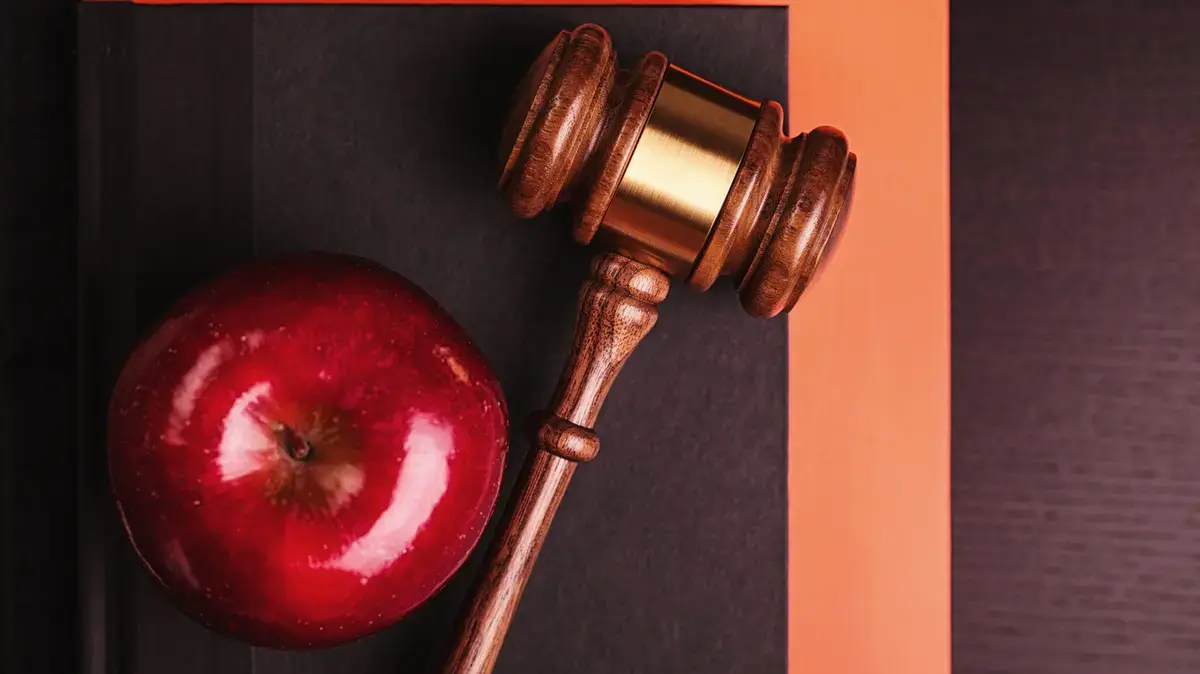
Bizarre Food and Drink Laws Across the US
The Great Cheese Debate
In the United States, a patchwork of local laws and regulations governs the food and drink industry. These laws often reflect the unique cultural and historical context of each region. From the quirky to the downright bizarre, some of these laws stand out for their peculiarity.
Latest news
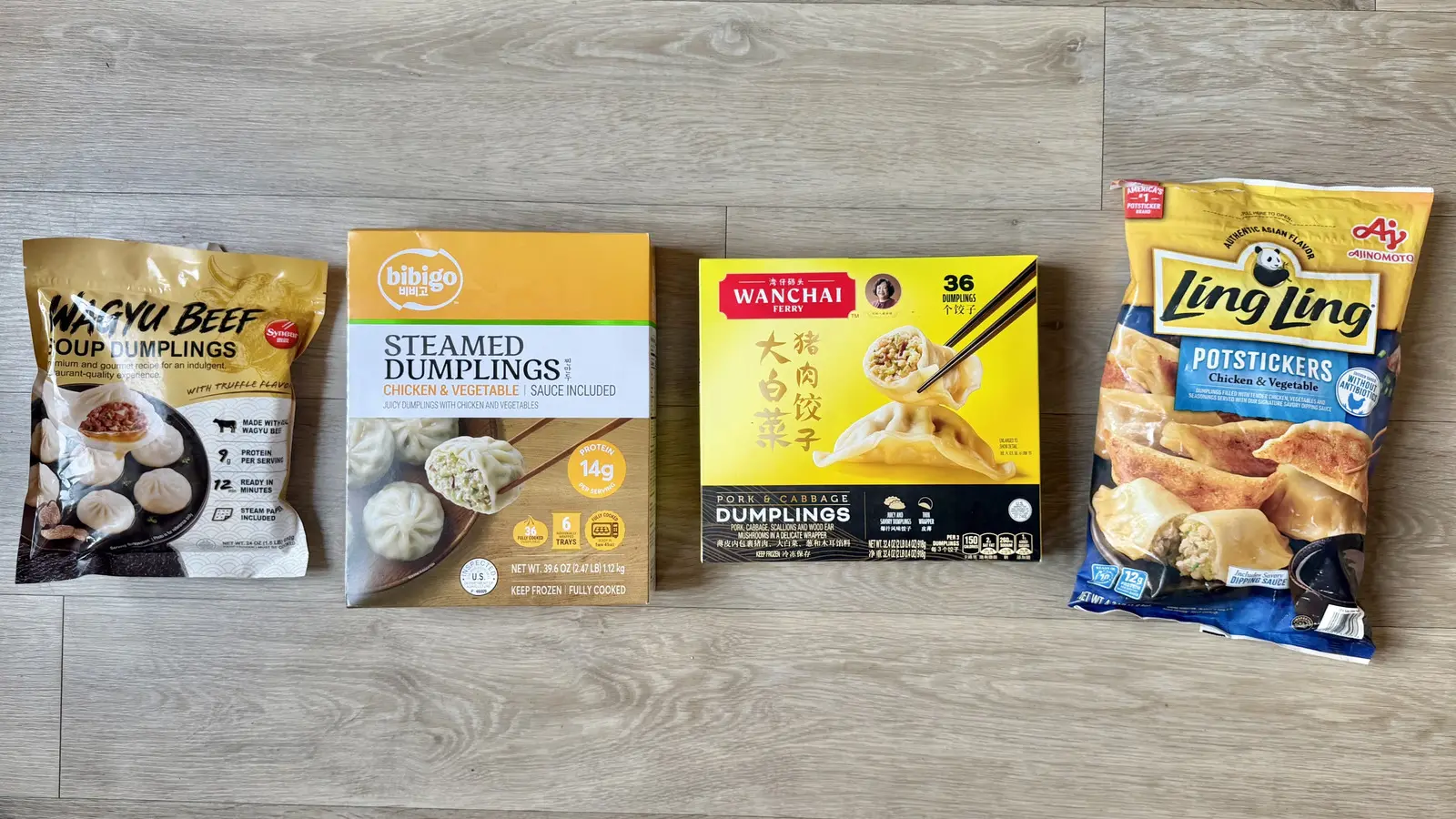 Costco's Frozen Dumpling Lineup, Ranked From Least To Most Tasty
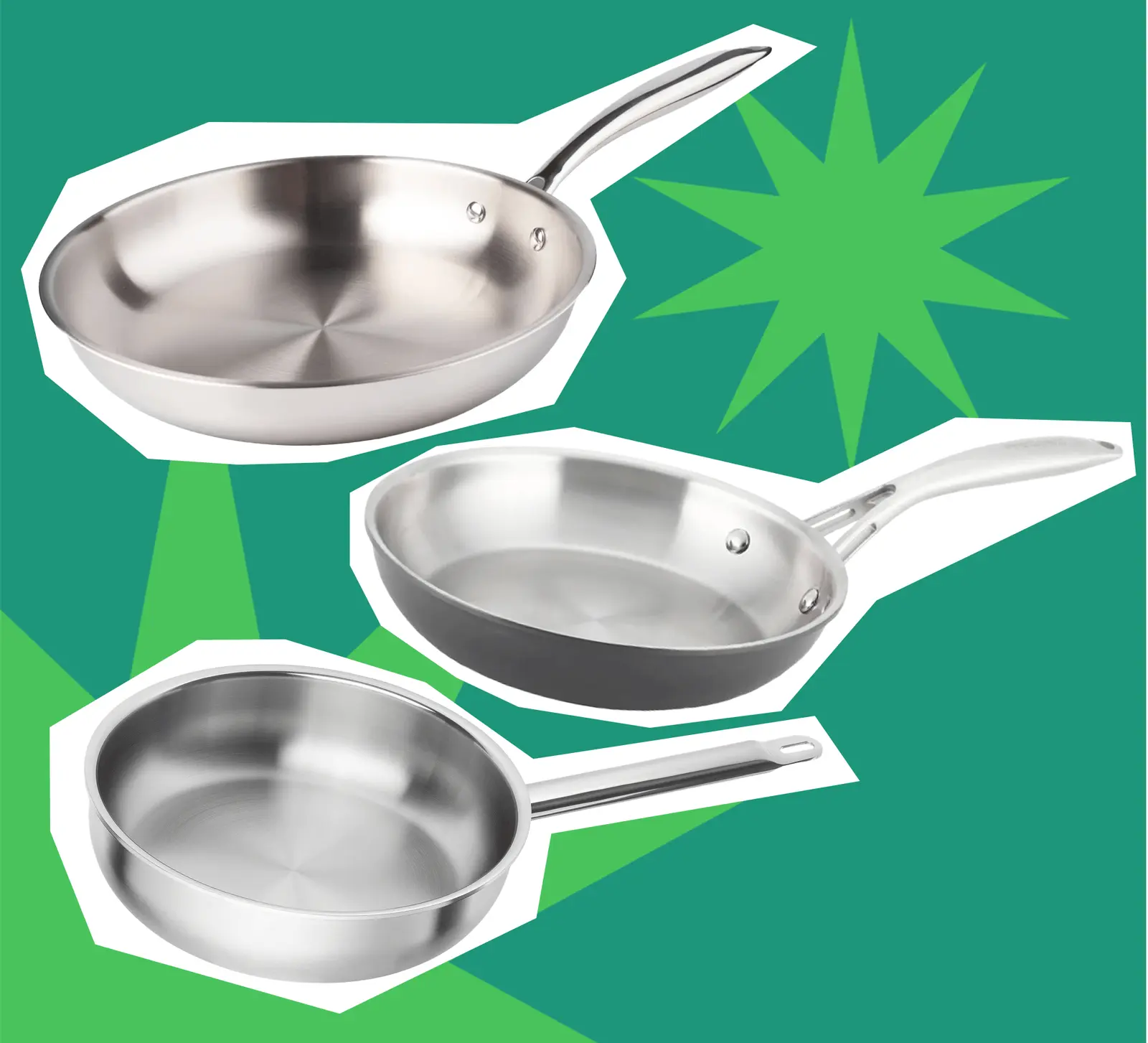 Best stainless-steel frying pans 2026: expert-tested picks for searing, eggs and daily cooking
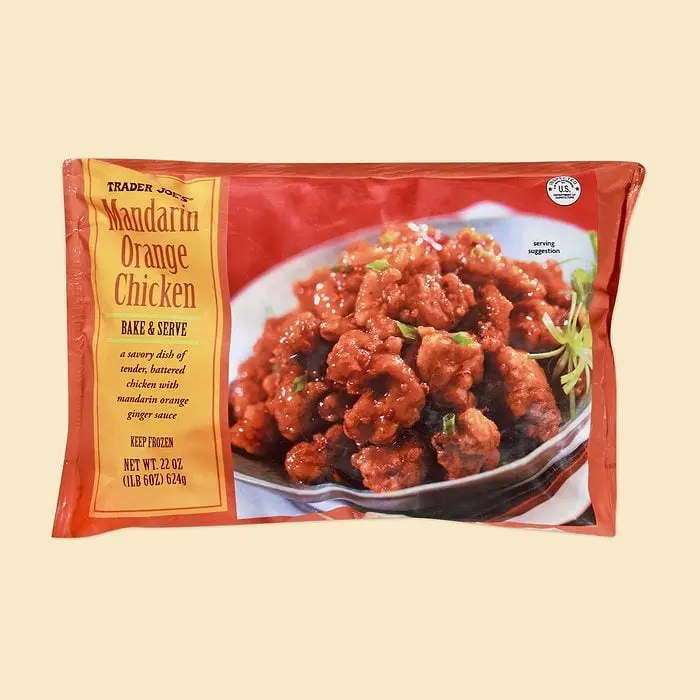 Trader Joe’s First‑Time Shopper Guide: Must‑Try Items
 Panda Express vs P.F. Chang's: Which Orange Chicken Is Healthier?
In many parts of the country, it's against the law to sell unpasteurized milk. This is particularly true in states like California and Pennsylvania, where raw milk is seen as a threat to public health. Proponents of raw milk argue that it's a healthier alternative to pasteurized milk, but health officials disagree. In some areas, selling unpasteurized milk can result in hefty fines and even jail time.
In Wisconsin, it's against the law to serve cheese that's been aged for less than 60 days. This law is a relic of the state's cheese-making traditions, where aging cheese was a crucial step in the process. Today, the law is largely seen as a nostalgic nod to the state's dairy heritage. Despite this, some cheese makers have pushed back against the law, arguing that it stifles innovation and creativity in the industry.
In some parts of the country, it's against the law to serve food that's been cooked with certain types of oil. For example, in California, it's against the law to cook food with lard, a type of animal fat. This law was enacted in the early 20th century, when lard was seen as a health risk due to its high saturated fat content. Today, the law is largely seen as outdated, but it remains on the books.
So why do these laws matter? For one, they reflect the complex and often contradictory nature of American food culture. On the one hand, Americans love their food, and the country is home to a diverse range of culinary traditions. On the other hand, there's a strong emphasis on public health and safety, which can sometimes lead to restrictive laws. In the case of food laws, it's often a delicate balance between these two competing interests.
What's the Big Deal About Food Laws?
In the end, the consequences of these laws are often felt by small businesses and entrepreneurs who are trying to make a living in the food industry. By restricting their ability to innovate and experiment with new products, these laws can stifle creativity and limit choices for consumers. As the food industry continues to evolve, it's likely that these laws will come under increased scrutiny.
Frequently Asked Questions
Q: Are food laws the same across the US? A: No, food laws vary widely from state to state and even from city to city. Each region has its own unique set of regulations and traditions.
Q: What's the purpose of food laws? A: Food laws are intended to protect public health and safety by regulating the food industry. However, they can also stifle innovation and creativity in the industry.
Q: Can I challenge a food law if I disagree with it? A: Yes, it's possible to challenge a food law if you disagree with it. However, this can be a complex and time-consuming process that requires significant resources and expertise.
Content written by Isabelle Fontaine for fancy-meals.com editorial team, AI-assisted.