10 Benefits Of Using A Gas Grill Over Charcoal
Cleanup is also simpler, with no ash to dispose of and grates that are often
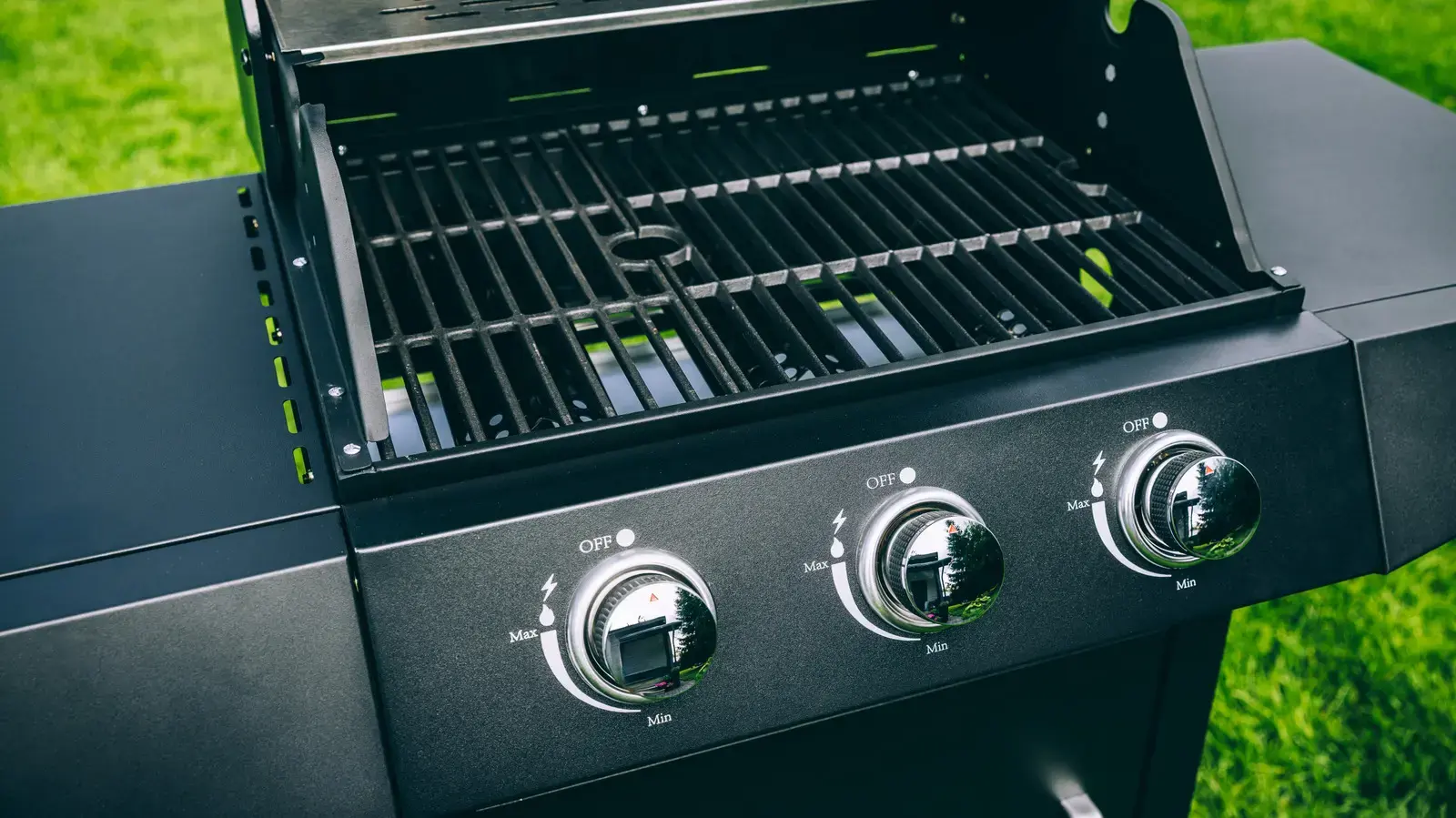
For home cooks who grill regularly, choosing between gas and charcoal often comes down to convenience and control. Gas grills offer faster startup times, precise temperature adjustments, and easier cleanup compared to traditional charcoal models. These advantages make them particularly appealing for weeknight meals or spontaneous outdoor cooking sessions. Many users find that gas grills reduce the learning curve associated with managing fire and smoke. Modern gas grills typically ignite with the push of a button, reaching cooking temperature in under ten minutes. This contrasts sharply with charcoal, which requires lighting, waiting for coals to ash over, and ongoing attention to maintain heat. Temperature control is another key benefit, as gas grills allow users to adjust flame levels with knobs, enabling consistent results for searing, roasting, or slow cooking.
Latest news
 Costco's Frozen Dumpling Lineup, Ranked From Least To Most Tasty
 Best stainless-steel frying pans 2026: expert-tested picks for searing, eggs and daily cooking
 Trader Joe’s First‑Time Shopper Guide: Must‑Try Items
 Panda Express vs P.F. Chang's: Which Orange Chicken Is Healthier?
Cleanup is also simpler, with no ash to dispose of and grates that are often easier to scrub. How Does Fuel Cost Compare Between Gas and Charcoal? While charcoal may seem cheaper upfront, long-term fuel costs can favor gas, especially for frequent grillers. A standard 20-pound propane tank lasts for approximately 20-25 hours of cooking time, depending on usage and grill size. In contrast, charcoal must be replenished after each use, and prices can fluctuate based on brand and quality. Over multiple seasons, the cumulative cost of charcoal often exceeds that of propane, making gas a more economical choice for regular users. What Are the Environmental Implications of Each Fuel Type? Gas grills produce fewer particulate emissions than charcoal, resulting in cleaner smoke and less air pollution during operation.
Propane burns more efficiently, releasing primarily carbon dioxide and water
Propane burns more efficiently, releasing primarily carbon dioxide and water vapor, whereas charcoal combustion generates more smoke, volatile organic compounds, and fine particles. Although both fuels have environmental impacts, gas is generally considered the cleaner-burning option for backyard grilling, particularly in areas with air quality concerns. Frequently Asked Questions Can you achieve a smoky flavor with a gas grill? Yes, by using wood chips in a smoker box or foil pouch placed directly on the heat source, gas grills can impart a smoky taste similar to charcoal. Is it safe to use a gas grill on a wooden deck? It is recommended to place gas grills on non-combustible surfaces like concrete or stone, and to keep them away from overhanging branches or structures to reduce fire risk. Do gas grills require more maintenance than charcoal models?
Gas grills need periodic checks of hoses, connections, and burners for leaks or blockages, but they avoid the ash buildup and deep cleaning required by charcoal grills.
Content written by [email protected] (Sara Klimek) for fancy-meals.com editorial team, AI-assisted.