What’s the Difference Between Apple Juice and Apple Cider?
In contrast, apple juice undergoes filtration and pasteurization to achieve a
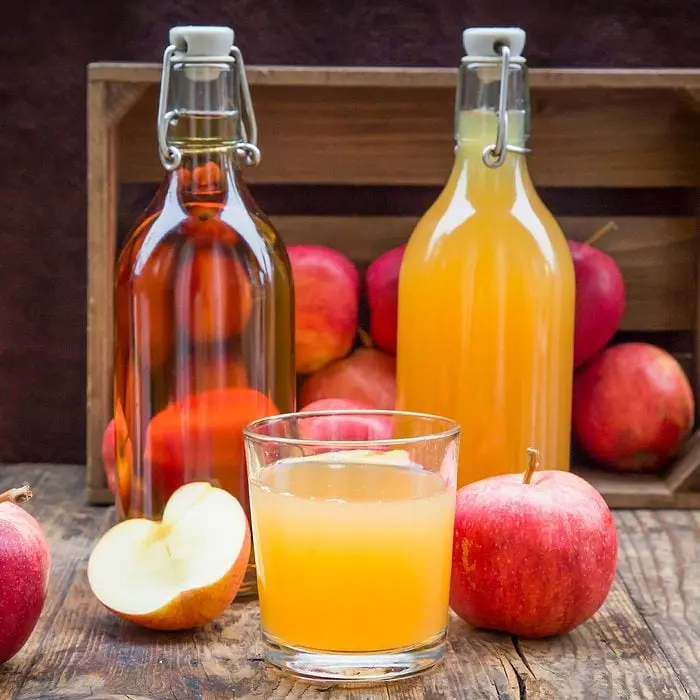
As autumn arrives, apple cider takes center stage in markets and homes across Oregon, where apple season is celebrated with particular enthusiasm. While apple juice is available year-round, cider emerges as a seasonal favorite, especially when served warm or spiced. The distinction between the two lies not just in taste but in how they are made and consumed. Apple cider is typically unfiltered and unpasteurized, retaining pulp and sediment that give it a cloudy appearance and richer texture. It is made by pressing fresh apples and often bottled quickly to preserve its fresh, tangy flavor.
Latest news
 Costco's Frozen Dumpling Lineup, Ranked From Least To Most Tasty
 Best stainless-steel frying pans 2026: expert-tested picks for searing, eggs and daily cooking
 Trader Joe’s First‑Time Shopper Guide: Must‑Try Items
 Panda Express vs P.F. Chang's: Which Orange Chicken Is Healthier?
In contrast, apple juice undergoes filtration and pasteurization to achieve a clear, smooth consistency and longer shelf life, which can mellow its natural tartness. How Processing Affects Flavor and Use The lack of filtration in cider means it preserves more of the apple’s natural enzymes and polyphenols, contributing to a bolder, more complex taste that many associate with fall traditions. Juice, by contrast, offers a sweeter, more uniform flavor due to processing that removes solids and stabilizes the product. This difference influences how each is used—cider is often enjoyed as a beverage on its own or warmed with spices, while juice is commonly used in cooking or as a base for other drinks. Why Do People Prefer Cider in the Fall? Many consumers link apple cider to seasonal rituals, such as visiting orchards or attending harvest festivals, where fresh-pressed cider is a highlight.
Its shorter shelf life and need for refrigeration reinforce its status as a timely, artisanal product. Juice, meanwhile, remains a pantry staple due to its durability and consistent taste, making it a practical choice outside of peak apple season. Frequently Asked Questions Is apple cider alcoholic? No, unless labeled as hard cider, which undergoes fermentation. Standard apple cider is non-alcoholic. Can apple juice be substituted for cider in recipes? It can, but the flavor will be sweeter and less complex due to filtration and pasteurization. Does cider need to be refrigerated? Yes, fresh cider should be kept cold and consumed within a week or two to maintain quality and safety.
Content written by Lindsay Parrill for fancy-meals.com editorial team, AI-assisted.