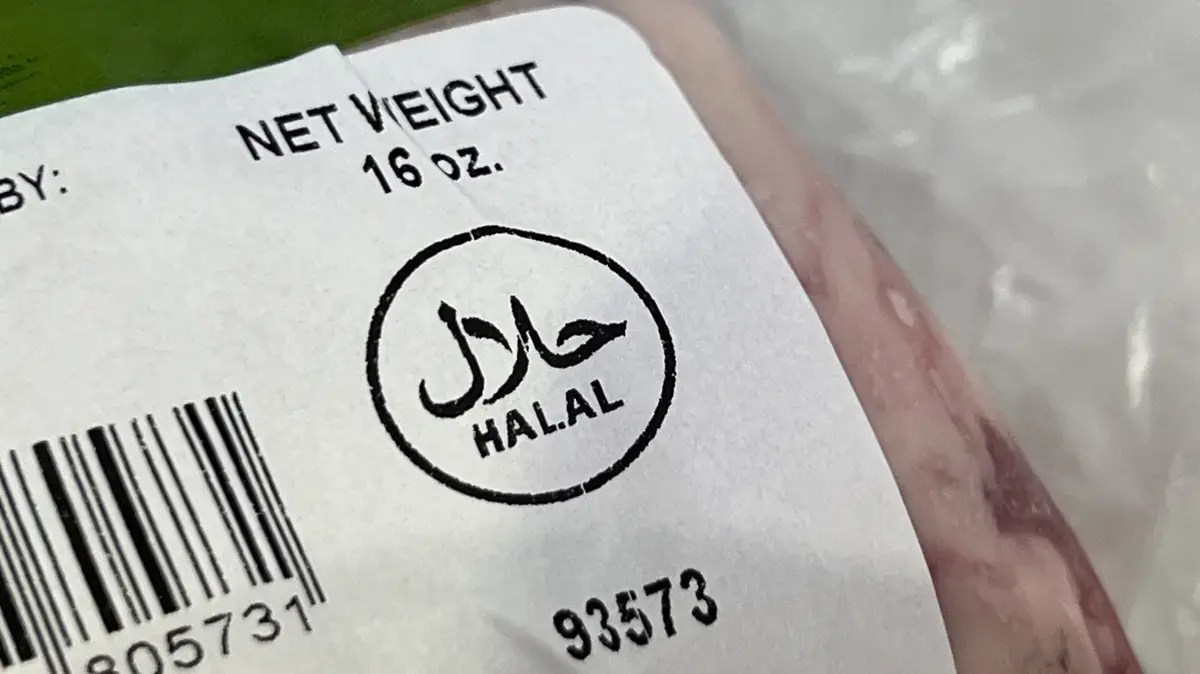
Understanding Halal Food Standards
The Ritual of Slaughter: Dhabiha
The term „halal” is increasingly visible on food products and restaurants. It signifies items permissible according to Islamic law. This applies to Muslims globally, and is gaining recognition beyond the faith. It's becoming more common in diverse communities and mainstream markets.
Latest news
 Costco's Frozen Dumpling Lineup, Ranked From Least To Most Tasty
 Best stainless-steel frying pans 2026: expert-tested picks for searing, eggs and daily cooking
 Trader Joe’s First‑Time Shopper Guide: Must‑Try Items
 Panda Express vs P.F. Chang's: Which Orange Chicken Is Healthier?
Halal goes beyond simply avoiding pork and alcohol. It encompasses the entire food production process. This includes how animals are raised, slaughtered, and processed. Adherence to specific guidelines ensures the food meets religious requirements. Many believe it also represents a higher standard of hygiene and quality.
The core of halal food preparation is dhabiha . This refers to the Islamic method of animal slaughter. A swift, deep cut to the jugular vein, carotid artery, and trachea is required. This must be performed by a Muslim reciting a specific prayer. The animal must be healthy and treated with respect before slaughter.
Does Halal Mean ‘Healthy’?
This practice aims for a quick and painless death for the animal. Some argue it’s more humane than other methods. The blood must be drained from the animal, as consuming blood is forbidden in Islam. Proper drainage is a key component of halal certification.
While halal doesn’t automatically equate to health, there's a perceived connection. The emphasis on cleanliness and ethical treatment of animals contributes to this view. Halal certification often requires adherence to stringent hygiene standards during processing. This can exceed standard food safety regulations in some cases.
However, a halal-certified product can still contain high levels of sugar, fat, or salt. The halal label confirms religious permissibility, not nutritional value. Consumers should always check ingredient lists and nutritional information.
Frequently Asked Questions
The growing demand for halal food is driven by a rising Muslim population worldwide. It’s also fueled by increasing consumer awareness of ethical and sustainable food practices. Halal certification provides assurance to Muslim consumers. It also opens up new markets for food producers. This trend is expected to continue as global demand for ethically sourced food increases.
What about pre-slaughter stunning? Stunning animals before dhabiha is a complex issue. Some Islamic scholars permit it, while others consider it invalidates the halal status. The permissibility depends on the method and whether it causes the animal undue suffering.
Can non-Muslims eat halal food? Yes. Halal food is permissible for anyone to consume. It simply means the food meets specific Islamic dietary guidelines. Many people choose halal products for their perceived quality and ethical sourcing.
Content written by Isabelle Fontaine for fancy-meals.com editorial team, AI-assisted.