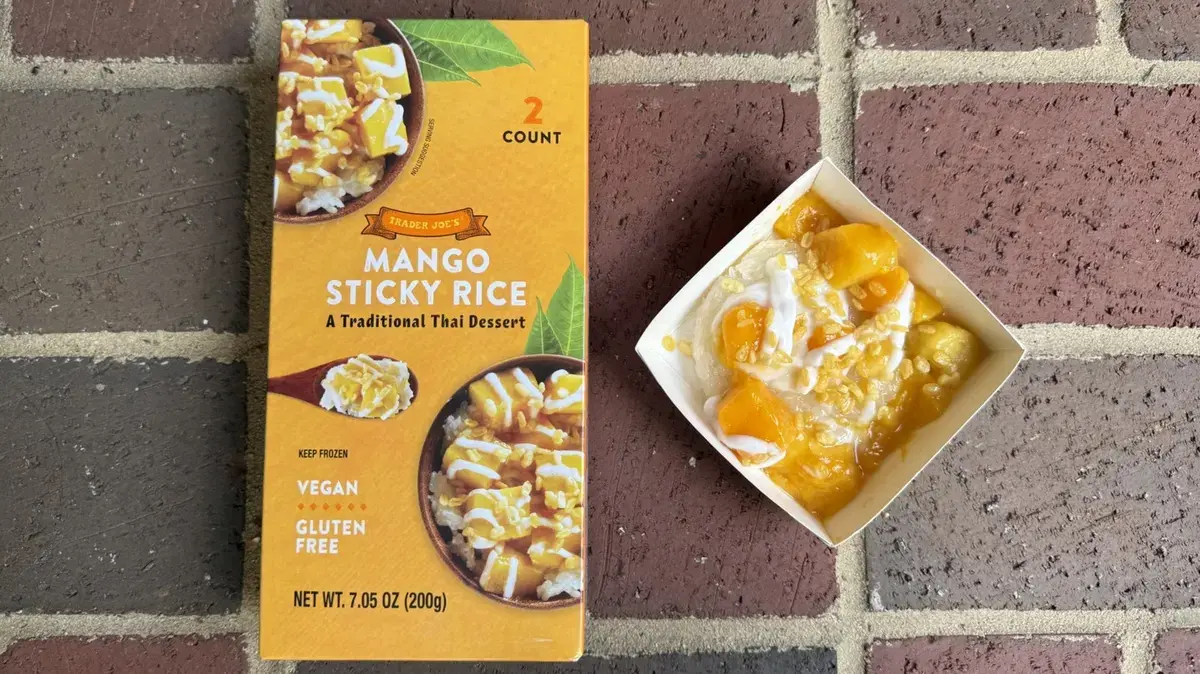
Trader Joe’s Microwavable Mango Sticky Rice: A Quick Taste Test
First Bite: Sweetness Meets Convenience
On August 4, 2026, food writer Sierra Winters bought Trader Joe’s new microwavable mango sticky rice at a nearby store. She heated the portion in a kitchen microwave and recorded the experience for a broader audience of convenience‑seeking shoppers.
Latest news
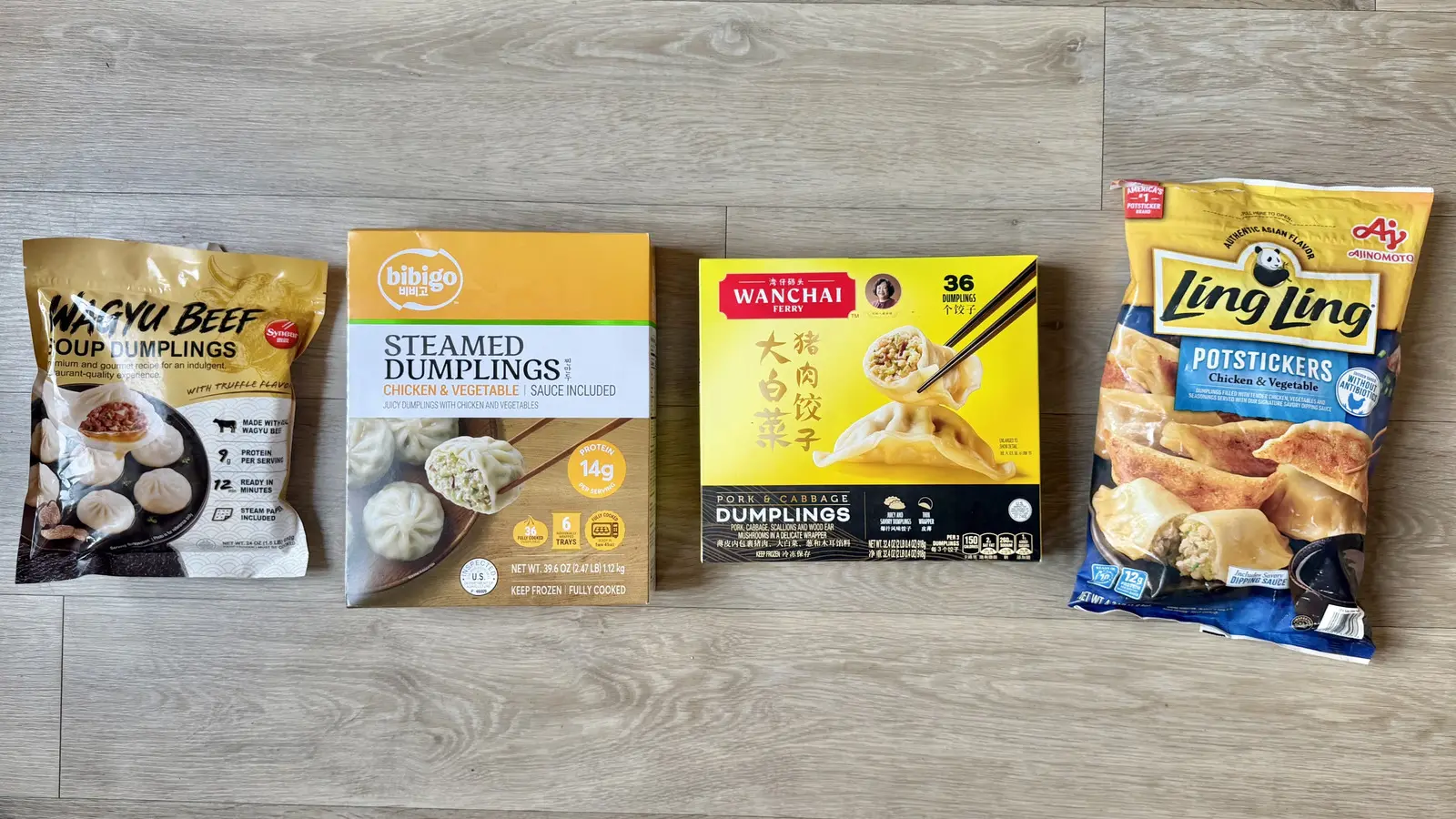 Costco's Frozen Dumpling Lineup, Ranked From Least To Most Tasty
 Best stainless-steel frying pans 2026: expert-tested picks for searing, eggs and daily cooking
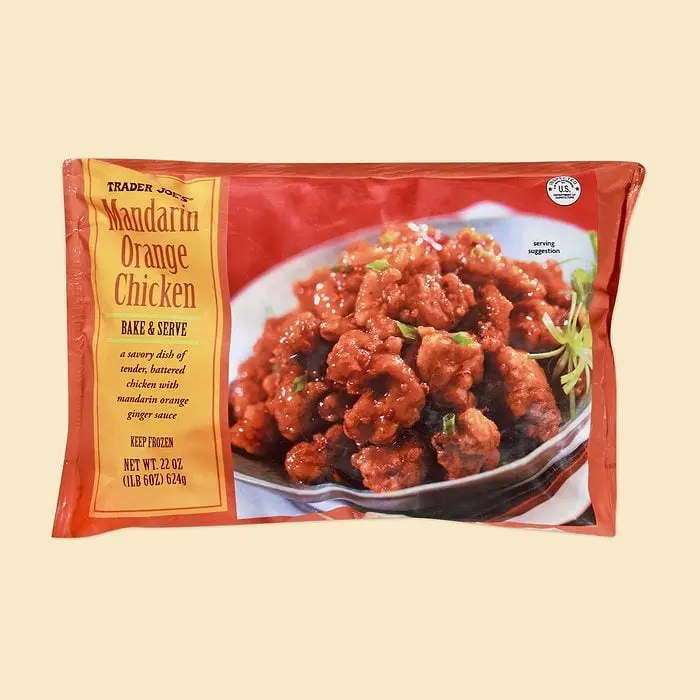 Trader Joe’s First‑Time Shopper Guide: Must‑Try Items
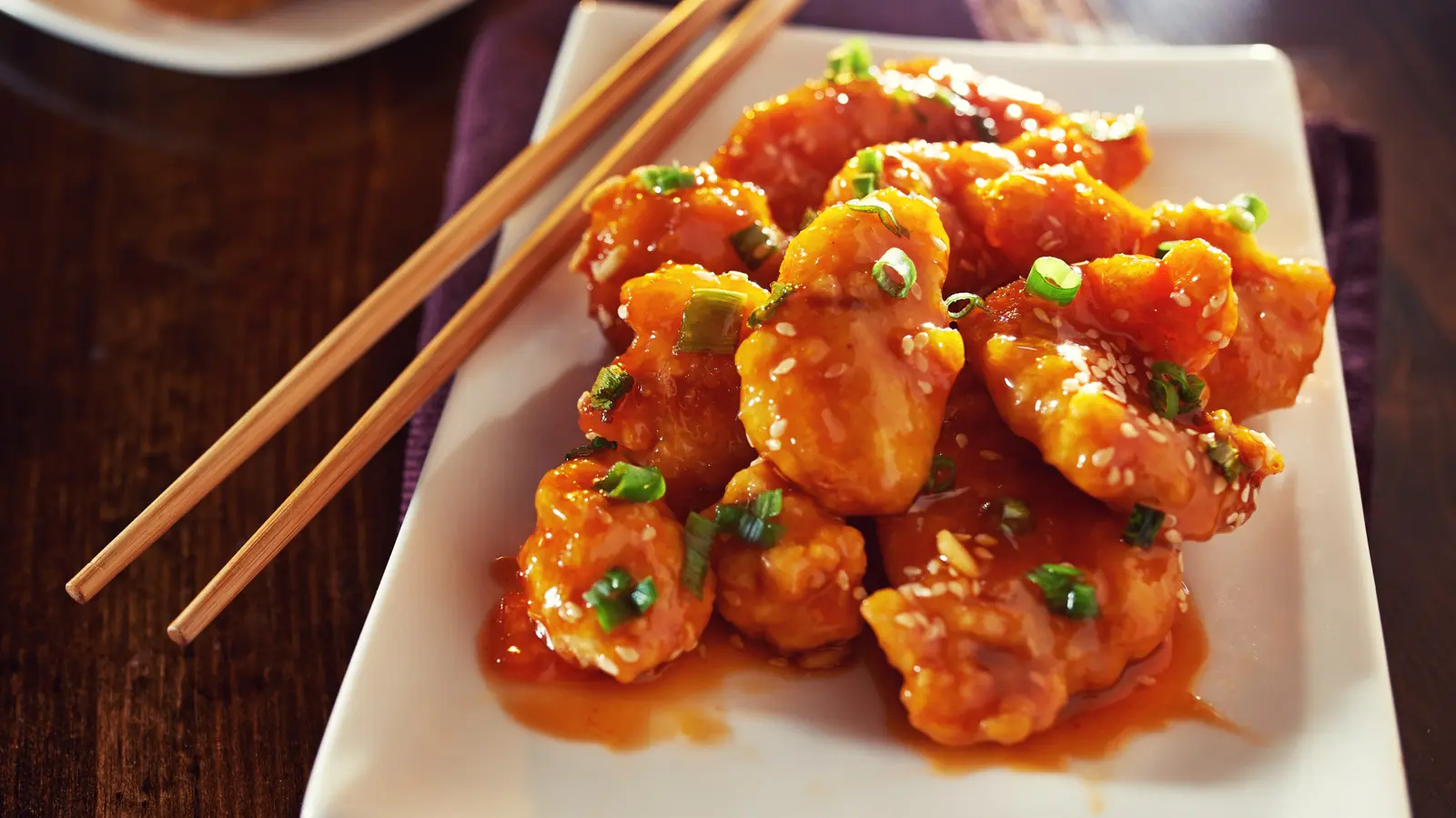 Panda Express vs P.F. Chang's: Which Orange Chicken Is Healthier?
The product promises the classic Thai combination of sweet mango, coconut‑infused glutinous rice, and a dash of salt, all in a single‑serve package. Trader Joe’s markets it as a „ready‑in‑minutes” dessert for people who lack fresh mangoes or the time to prepare the traditional dish. The review examines flavor fidelity, texture, packaging, and price compared with homemade versions.
The rice warmed evenly, releasing a gentle coconut aroma within thirty seconds. The grains held together without turning mushy, a common pitfall for frozen sticky rice. Mango slices retained a bright orange hue, though their firmness resembled canned fruit rather than ripe, juicy mango. The sweetness was pronounced but not cloying, matching the expected profile of a Thai dessert.
Does the Frozen Version Capture Authentic Thai Flavors?
Winters noted that the portion size felt appropriate for a single serving, and the plastic tray doubled as a microwave‑safe dish, eliminating extra cleanup. At $2.99 per container, the price sits between a premium snack and a modest grocery item. The convenience factor earned high marks, especially for college students or busy professionals.
While the product succeeds on convenience, purists may find it lacking in depth. Traditional mango sticky rice relies on freshly sliced mangoes and rice cooked in a fragrant coconut milk broth, often finished with toasted sesame seeds. The microwavable version omits these nuanced steps, resulting in a flatter taste.
Winters compared the frozen dessert to a homemade batch prepared with ripe Thai mangoes and a slow‑cooked coconut glaze. The homemade version delivered a richer, buttery mouthfeel and a more complex sweetness that the packaged product could not replicate. Nonetheless, for consumers without access to fresh mangoes, the frozen option offers a respectable approximation.
The overall verdict highlights a trade‑off: instant accessibility versus culinary authenticity. Trader Joe’s has opened a niche for quick Asian-inspired desserts, but the brand may need to refine flavor depth to win over traditionalists. Future iterations could incorporate real mango puree or a richer coconut infusion to bridge the gap.
Frequently Asked Questions
How should the product be heated for optimal texture? Heat the sealed container in a microwave on high for 45‑60 seconds, then stir and let it sit for another minute before serving. This prevents the rice from drying out.
Is the dessert suitable for people with dietary restrictions? The product contains gluten‑free rice but includes dairy‑derived coconut milk and may contain traces of nuts. Check the label for allergens if you have sensitivities.
Can the mango sticky rice be stored after opening? Yes, transfer leftovers to an airtight container and refrigerate. Consume within two days for best flavor and texture.
Content written by Isabelle Fontaine for fancy-meals.com editorial team, AI-assisted.