
The Uninvited Inbox: When Restaurants Get Too Familiar
The Fine Line Between Friendly and Forward
Restaurant emails are increasingly crossing a line, according to recent diner feedback. Many patrons feel these messages have become overly personal, moving beyond simple promotions. This shift is creating discomfort and annoyance among those who simply want transactional communication.
Latest news
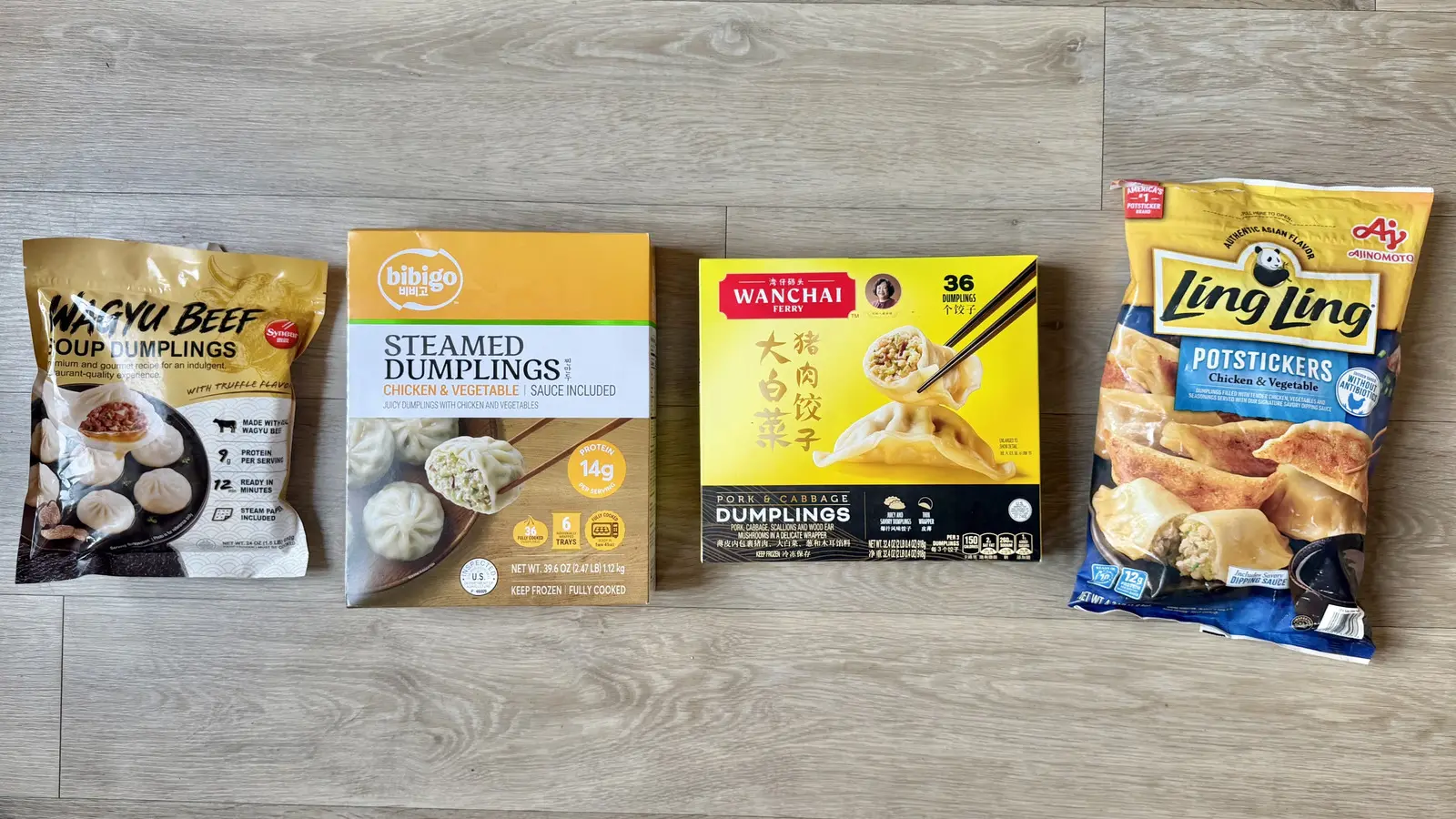 Costco's Frozen Dumpling Lineup, Ranked From Least To Most Tasty
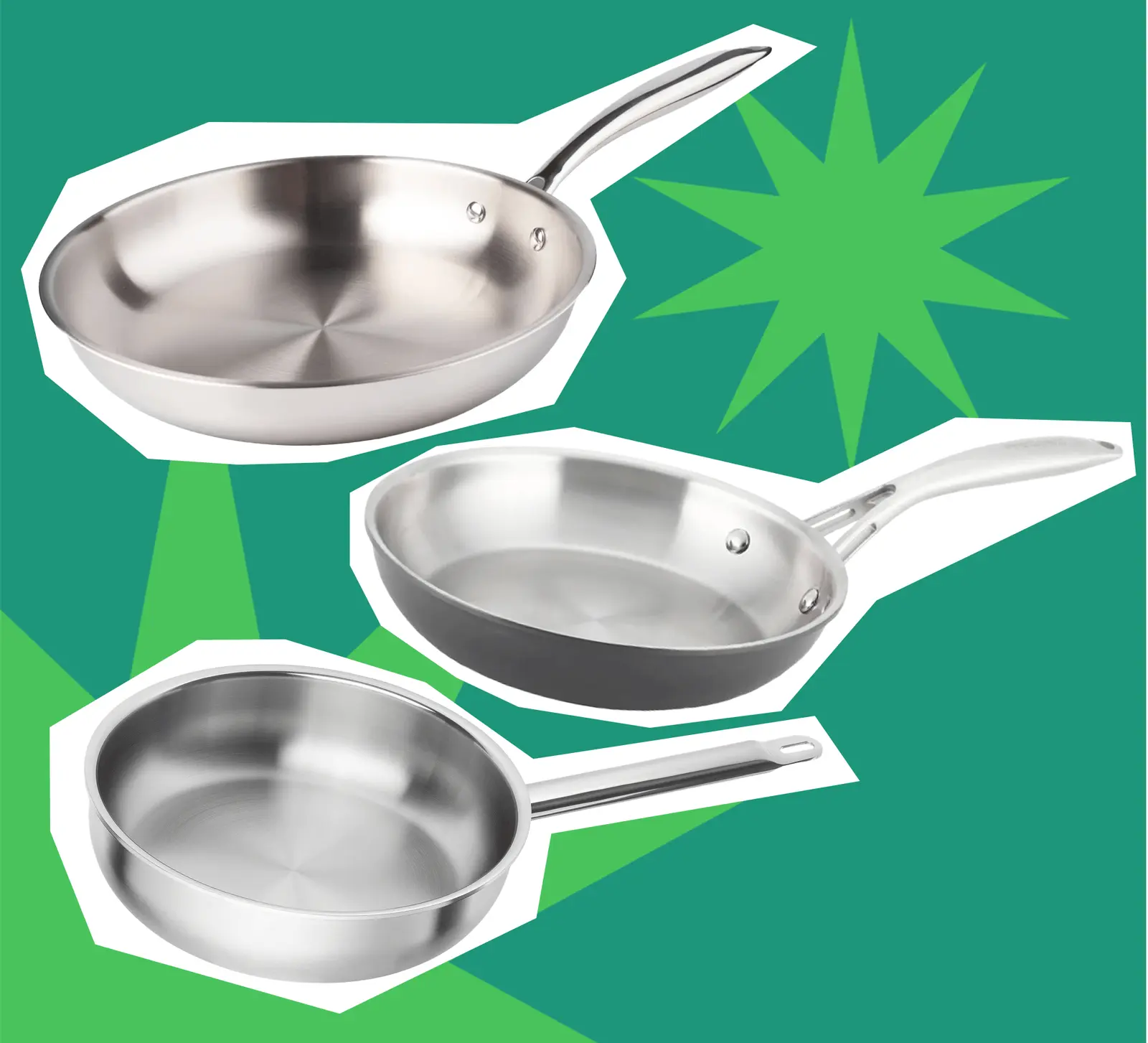 Best stainless-steel frying pans 2026: expert-tested picks for searing, eggs and daily cooking
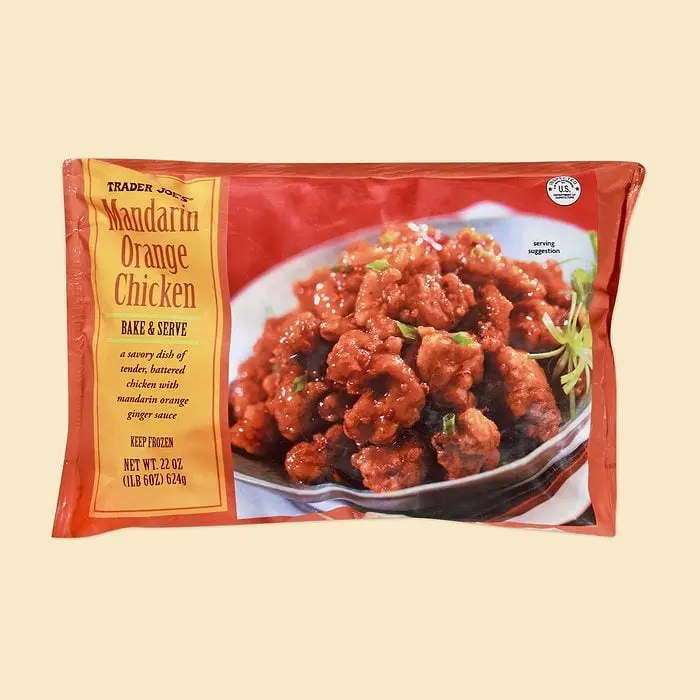 Trader Joe’s First‑Time Shopper Guide: Must‑Try Items
 Panda Express vs P.F. Chang's: Which Orange Chicken Is Healthier?
This trend was highlighted after an article discussed the frustrations of modern restaurant reservations. Numerous readers responded, sharing their own negative experiences with overly familiar marketing. They expressed a desire for more professional and less intrusive interactions from eateries.
Why Are Restaurants Adopting This Strategy?
Many restaurants now adopt a casual, almost intimate tone in their email campaigns. They use informal language, personal anecdotes, and even emojis. The goal is often to build a sense of community and loyalty with customers. However, this approach can backfire when it feels unearned or unsolicited. Diners report feeling like they are being treated as close friends rather than valued customers. This can lead to a sense of invasion of privacy.
# What kind of emails are diners finding problematic?
The strategy likely stems from a desire to stand out in a crowded market. Personalization is a key marketing trend across many industries. Restaurants hope that a more friendlyapproach will foster deeper connections and repeat business. They aim to create a memorable brand identity beyond just food quality. However, the execution often misses the mark, leading to alienation instead of engagement.
The consequence is a growing number of diners who are opting out of email lists. This can damage a restaurant's ability to communicate effectively with its customer base. Maintaining a professional yet welcoming tone in digital communication is crucial for long-term success.
# Why do restaurants use this friendlyapproach?
Diners are finding emails problematic when they use overly familiar language, personal anecdotes, or an informal tone that feels unearned. They prefer communication to be more professional and transactional.
# What is the main downside of this email strategy?
Restaurants use this approach to try and build a stronger connection with customers and stand out in a competitive market. They hope it will foster loyalty and repeat business.
The main downside is that it can alienate customers, leading them to unsubscribe from email lists. This hinders the restaurant's ability to communicate important information effectively.
Content written by Victoria Lane for fancy-meals.com editorial team, AI-assisted.