
The Truth About Vodka: Distillation, Filtration, and Marketing Claims
Does More Filtration Equal Better Taste?
Vodka producers often highlight extensive distillation and filtration processes. These methods aim to remove impurities from the spirit. However, experts question if more processing always leads to a better product. The impact on taste and quality remains a subject of debate.
Latest news
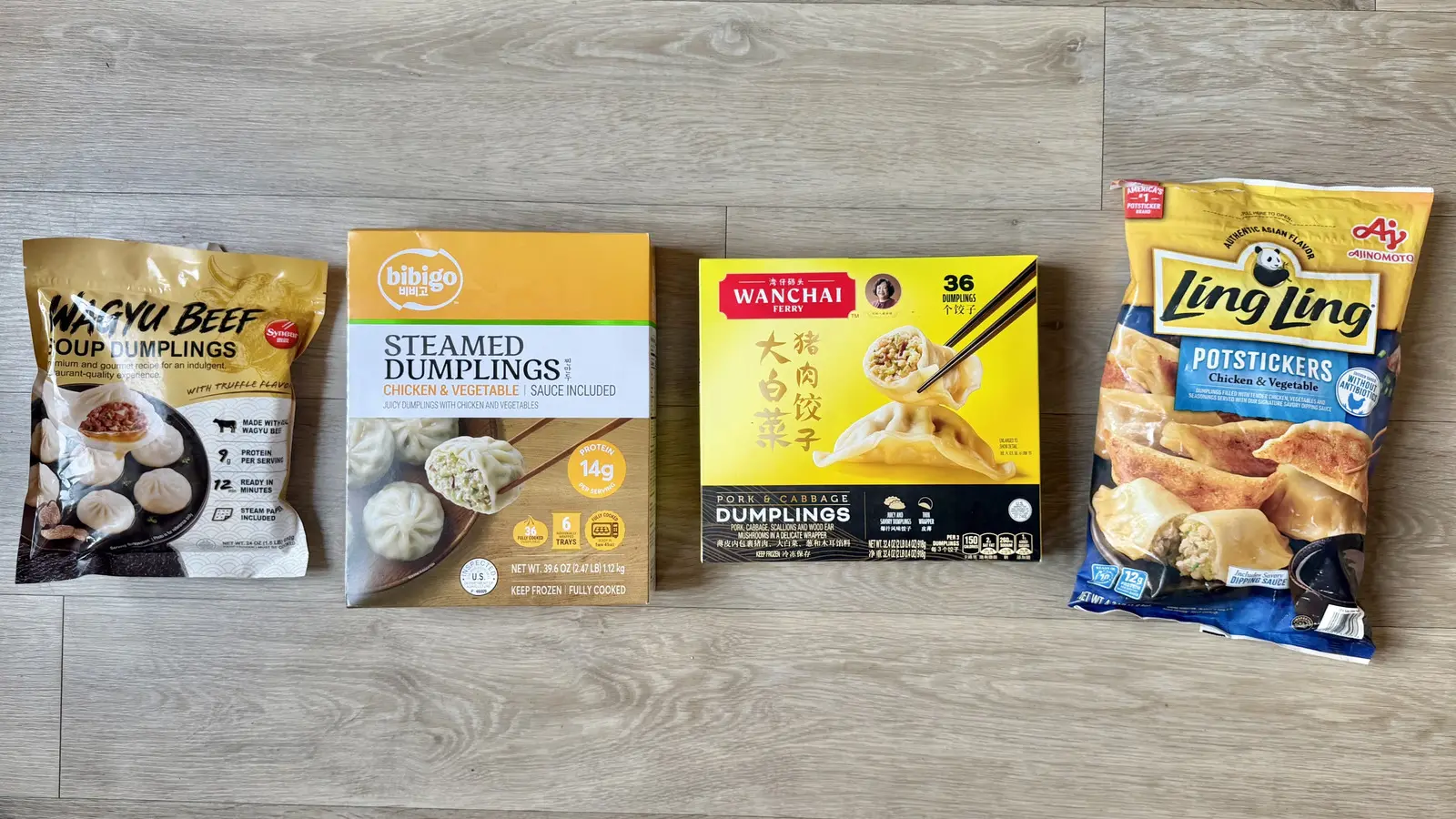 Costco's Frozen Dumpling Lineup, Ranked From Least To Most Tasty
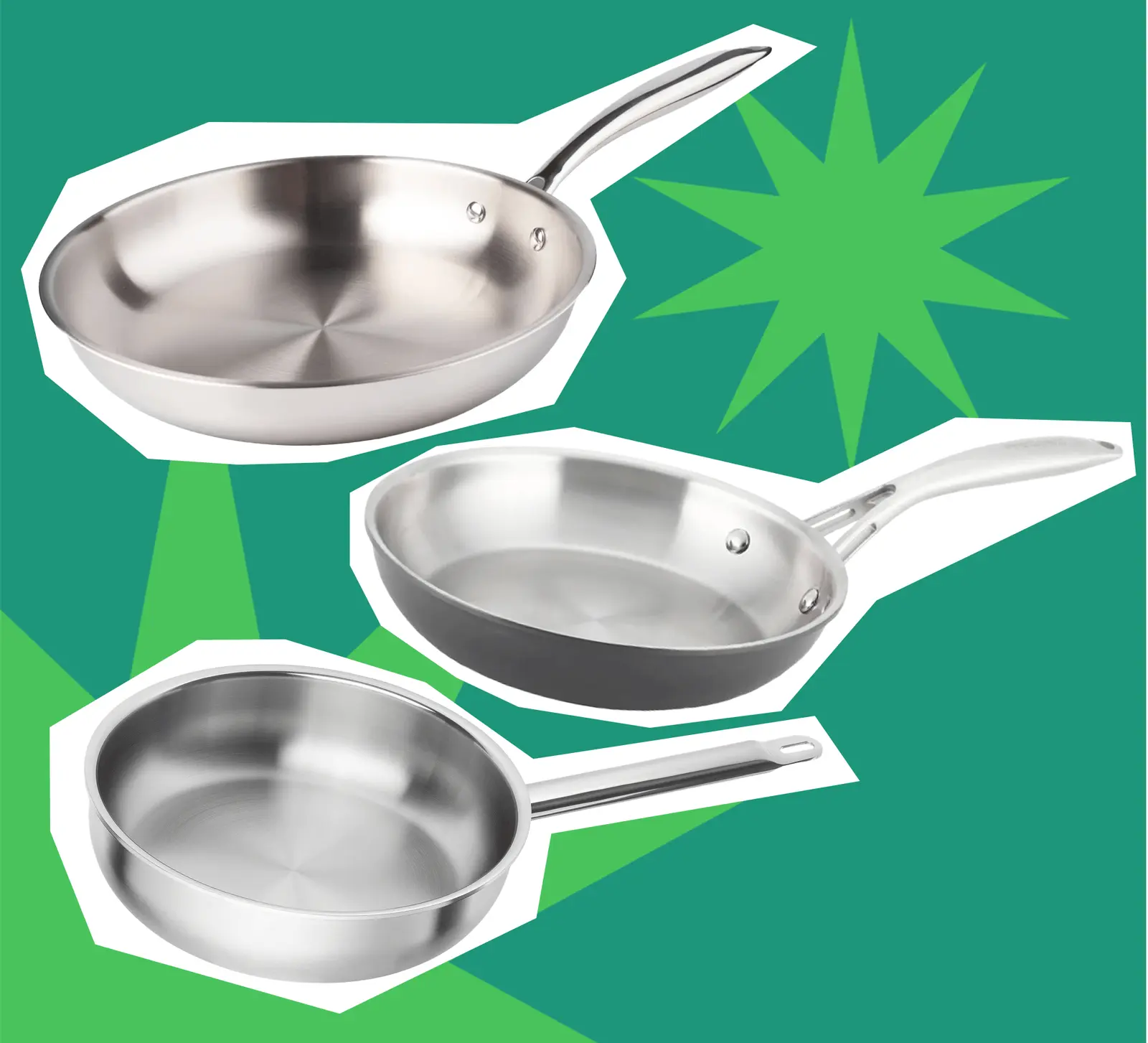 Best stainless-steel frying pans 2026: expert-tested picks for searing, eggs and daily cooking
 Trader Joe’s First‑Time Shopper Guide: Must‑Try Items
 Panda Express vs P.F. Chang's: Which Orange Chicken Is Healthier?
The vodka market is highly competitive, with countless brands vying for consumer attention. Many brands emphasize their purification techniques as a key selling point. This strategy suggests a direct link between processing intensity and superior vodka.
Distillation involves heating and condensing the liquid, separating alcohol from water and other compounds. Filtration, conversely, passes the spirit through materials like charcoal to capture remaining impurities. Both steps are crucial for creating a clean spirit. Yet, the number of times a vodka is distilled or filtered might not be the sole indicator of quality. Some argue that excessive processing can strip away subtle flavors.
Is Extensive Purification Just a Marketing Tactic?
Vodka is traditionally a neutral spirit, meaning it has minimal distinct taste or aroma. This neutrality is achieved through purification. The goal is often a smooth, clean-tasting drink. Marketing often focuses on achieving the purestvodka possible.
Many consumers are swayed by claims of triple distilledor charcoal filtered multiple times. These phrases imply a higher standard of production. However, the actual sensory difference for the average drinker can be negligible. Blind taste tests often reveal little preference for heavily processed vodkas over those with standard purification.
Ultimately, a vodka's quality also depends on the raw ingredients and water used. While distillation and filtration are essential, their extensive application might be more about perception than actual improvement. Consumers should consider if the marketing hype aligns with their personal taste preferences.
Frequently Asked Questions
What is the main purpose of distilling vodka? Distillation separates alcohol from water and other substances. This process purifies the spirit, increasing its alcohol content and removing unwanted compounds.
How does filtration affect vodka? Filtration removes remaining impurities and undesirable flavors from vodka. Materials like activated charcoal are commonly used to achieve a cleaner, smoother taste.
Does more distillation always make vodka taste better? Not necessarily. While distillation removes impurities, excessive distillation can strip away subtle characteristics. For a neutral spirit like vodka, the impact on taste beyond a certain point can be minimal.
Content written by Henry Cross for fancy-meals.com editorial team, AI-assisted.