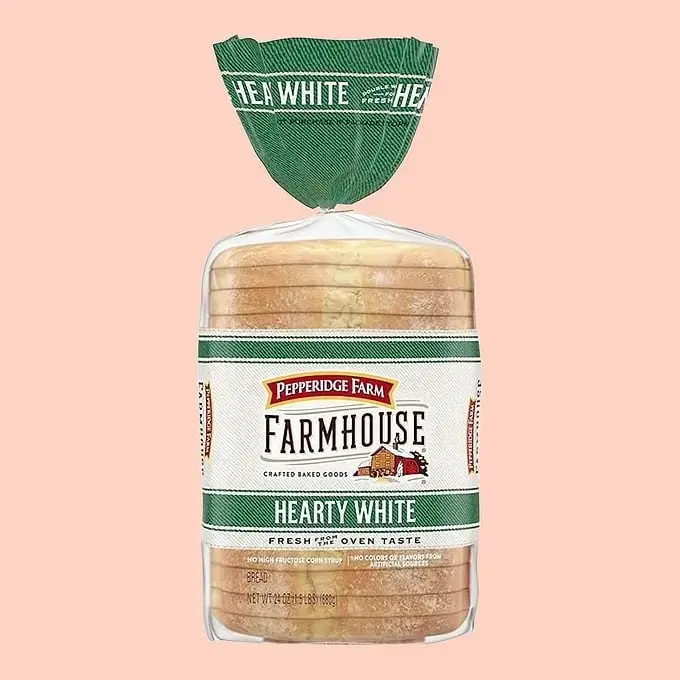
The Top Store‑Bought Breads for Perfect Sandwiches
Why Texture Beats Flavor in a Sandwich
A fresh survey of grocery‑aisle selections has identified nine breads that consistently outperform the competition in sandwich applications. The list includes soft white slices prized for BLTs, robust potato loaves favored for peanut butter and jelly, and several artisanal options that balance chew and crumb. Shoppers can find every recommendation in major supermarkets across the United States as of this summer.
Latest news
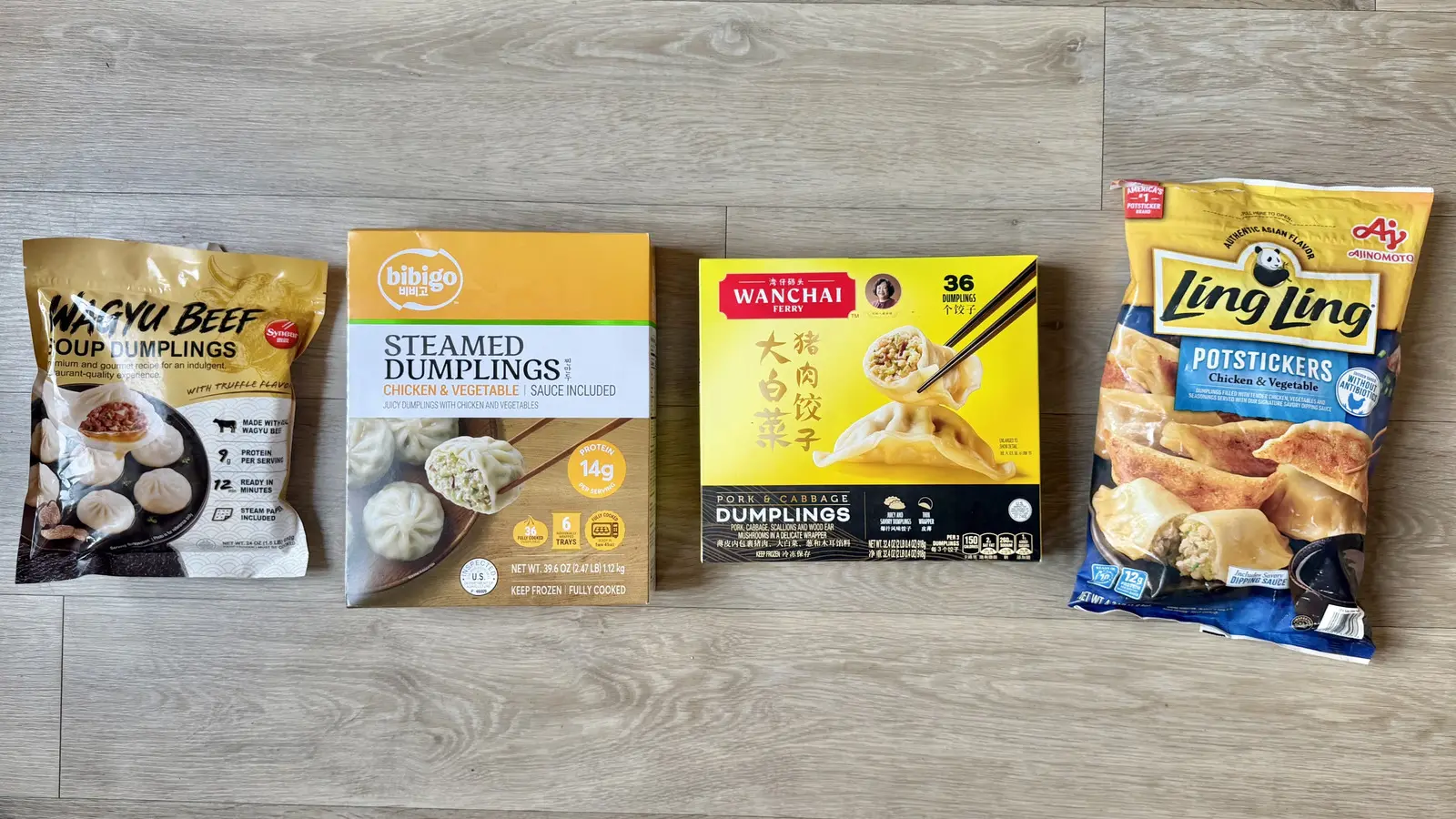 Costco's Frozen Dumpling Lineup, Ranked From Least To Most Tasty
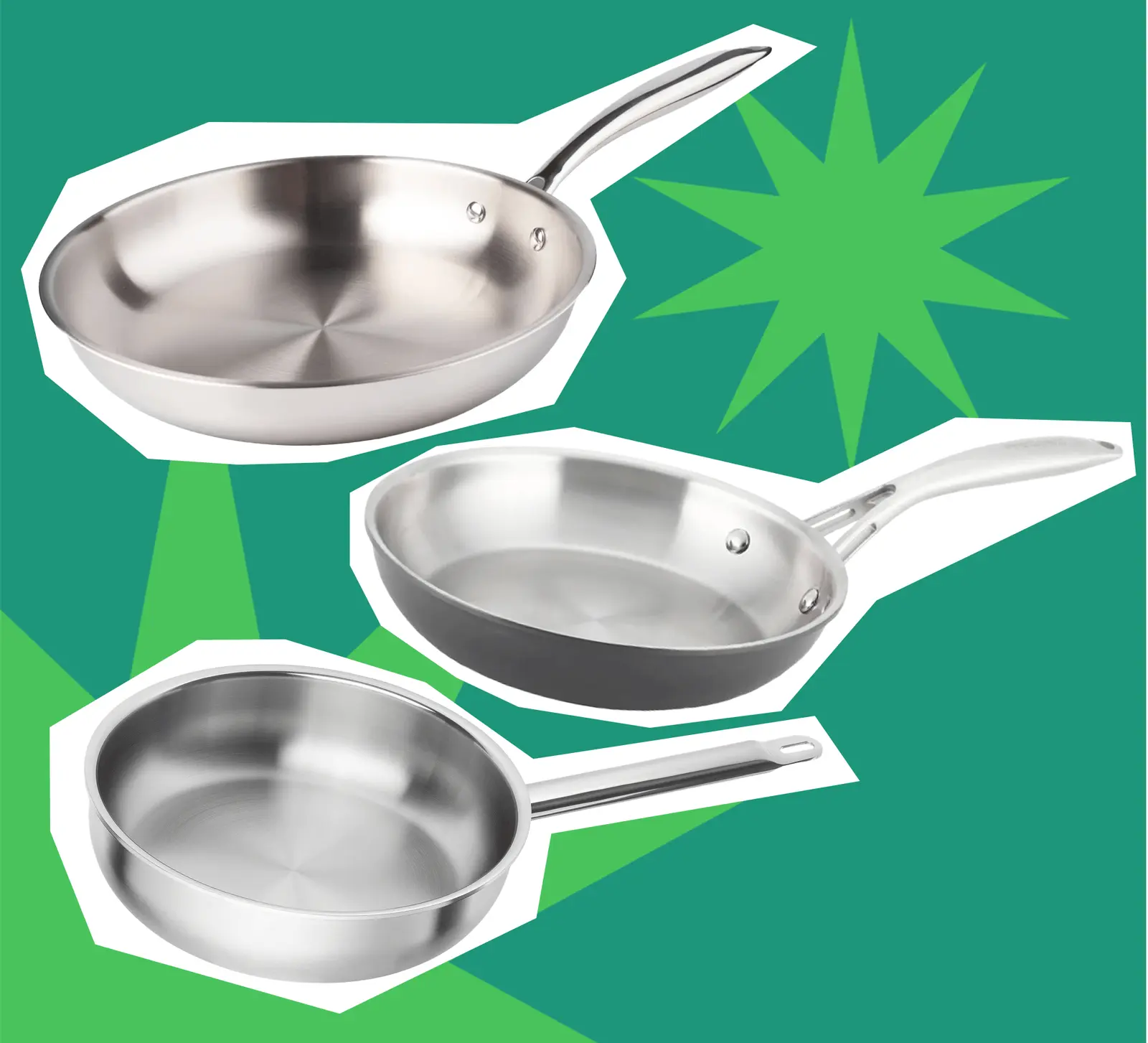 Best stainless-steel frying pans 2026: expert-tested picks for searing, eggs and daily cooking
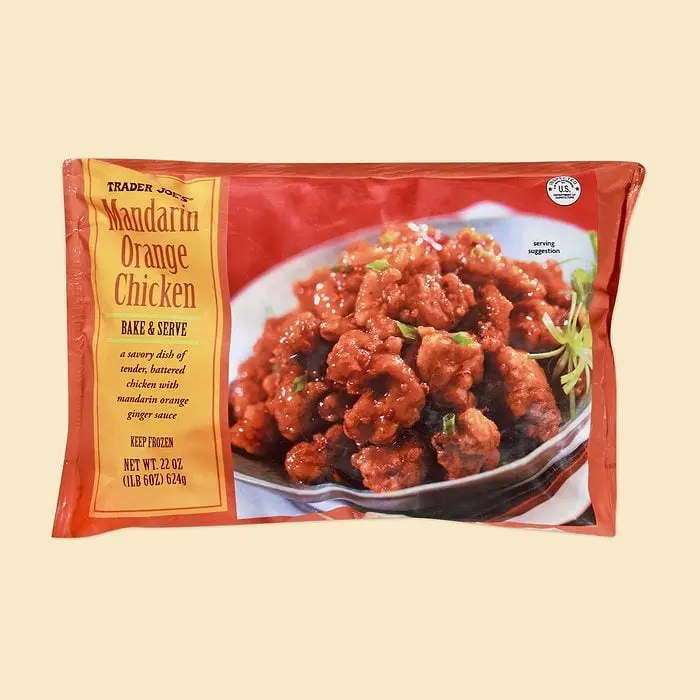 Trader Joe’s First‑Time Shopper Guide: Must‑Try Items
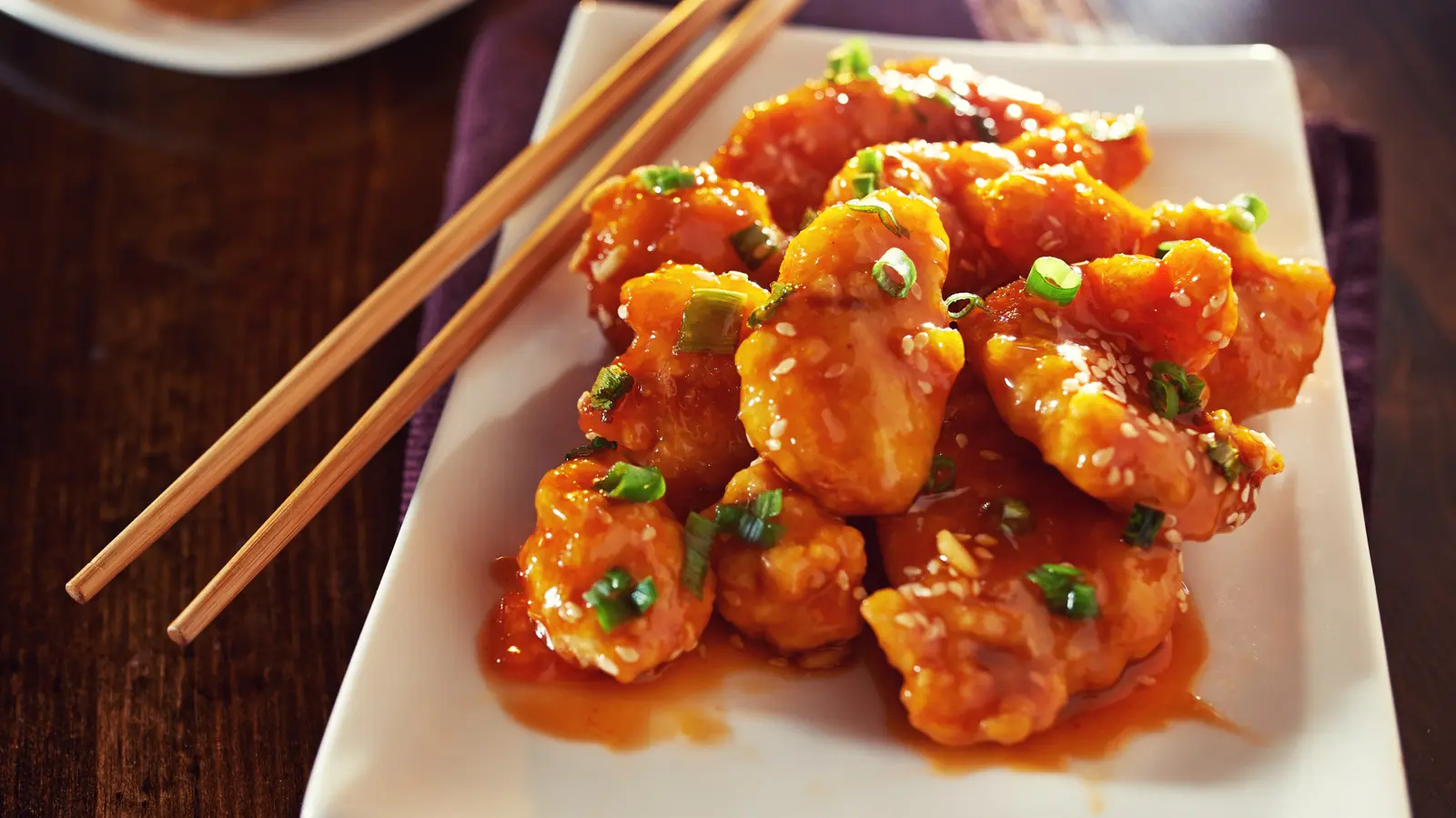 Panda Express vs P.F. Chang's: Which Orange Chicken Is Healthier?
The ranking was compiled after taste testers evaluated each loaf for softness, structural integrity, and flavor harmony with common fillings. Researchers measured how well the breads resisted sogginess after contact with tomatoes, mayonnaise, or moist spreads. Consumer feedback also played a role, with brands scoring high on repeat purchase intent. The goal was to guide busy professionals and home cooks toward reliable choices that elevate a quick lunch without demanding kitchen expertise.
Texture determines whether a sandwich feels light or heavy on the palate. A study by the Culinary Institute of America found that 68 % of participants preferred a softer crumb when paired with crisp lettuce, while a denser slice often masked subtle ingredients. „A good sandwich bread should act like a gentle cushion,” said pastry chef Maya Liu, who tested the breads in her kitchen. White sandwich bread earned top marks for its pillowy softness, allowing bacon and tomato to shine. In contrast, the rye‑spiced loaf offered a firmer bite that complemented robust meats but proved too tough for delicate spreads.
Which Bread Holds Up Against Moist Fillings?
Moisture resistance emerged as the most critical factor for fillings like sliced tomatoes, pickles, and wet condiments. The potato loaf, with its naturally higher moisture content, absorbed excess liquid without turning mushy, making it a favorite for PB&J enthusiasts. Meanwhile, the multigrain baguette maintained a crisp crust that kept sauces from seeping through, though its tighter crumb sometimes crumbled under heavy layers. Testers noted that breads containing a modest amount of wheat gluten performed best, creating a resilient network that held together even after prolonged storage.
Choosing the right bread can transform a hurried lunch into a satisfying meal. As more consumers seek convenience without sacrificing quality, manufacturers are likely to innovate further, offering breads that combine softness, flavor, and durability. Retailers that stock these top‑rated loaves may see increased loyalty from shoppers who view sandwich bread as a staple rather than an afterthought. The market’s next evolution could involve fortified breads that add nutritional benefits while preserving the beloved sandwich experience.
Frequently Asked Questions
What makes a bread ideal for a BLT? A soft, lightly sweetened white loaf provides a neutral backdrop that lets bacon, lettuce, and tomato stand out, while its tender crumb absorbs mayonnaise without falling apart.
Can I freeze these breads without losing quality? Yes. Most of the recommended loaves retain texture after a month in the freezer if wrapped tightly; thaw them at room temperature for best results.
Are there gluten‑free options that still perform well? Some brands offer gluten‑free almond or rice‑based slices that stay pliable and resist sogginess, though they may lack the same chew as wheat‑based breads.
Content written by Lucas Carter for fancy-meals.com editorial team, AI-assisted.