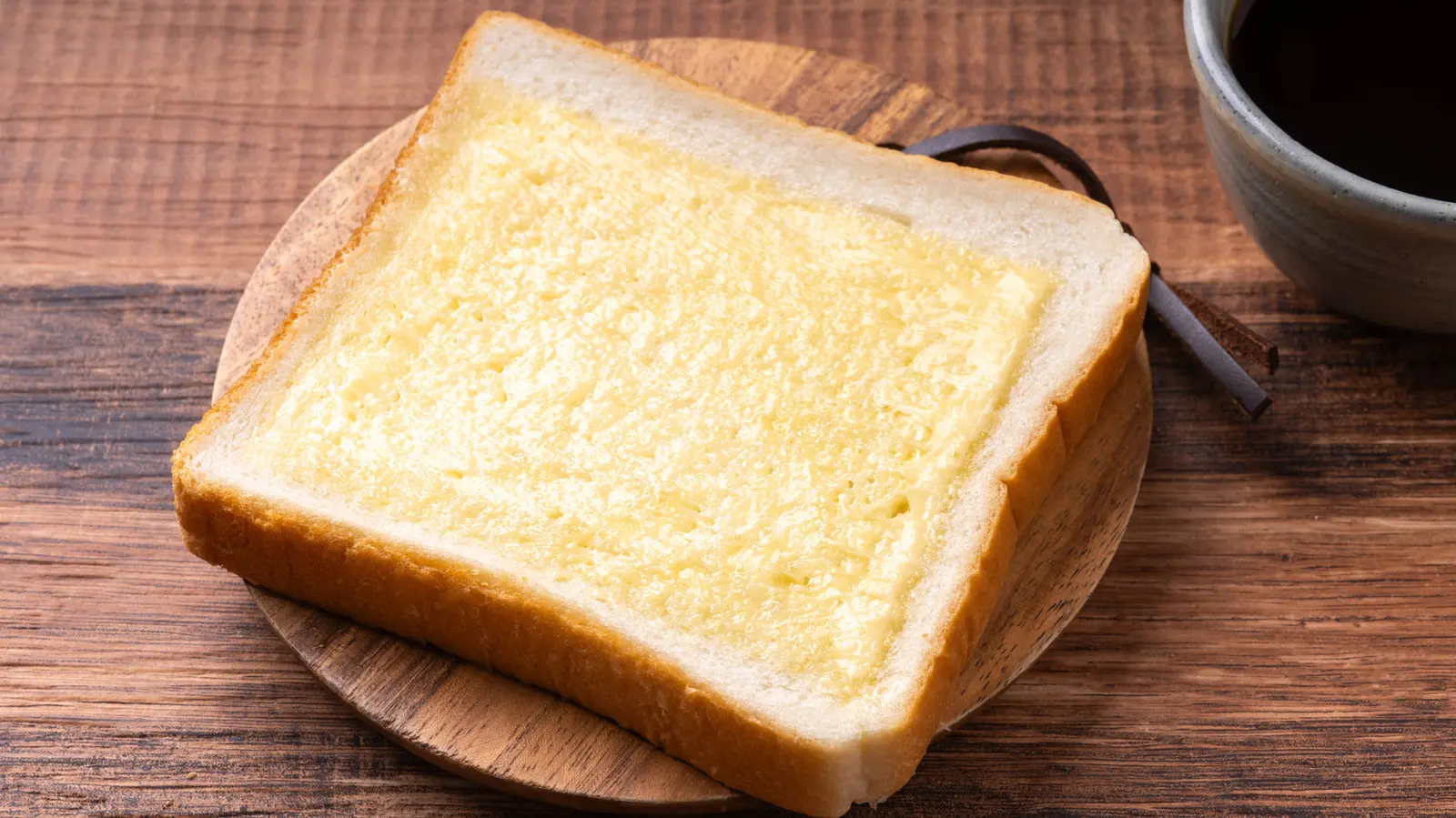
The Sweet Italian Snack That Defied Lunch Traditions
The Simple Ingredients of a Retro Confection
During the 1960s, Italian snack culture introduced a surprisingly sweet creation that completely bypassed traditional savory ingredients. While modern midday meals rely heavily on cured meats, sharp cheeses, and spicy spreads, this retro favorite took a vastly different path. Families across Italy prepared the treat as a quick indulgence, trading protein and salt for a heavy dose of refined sugar. It remains a fascinating footnote in mid-century culinary history.
Latest news
 Wendy's and a cult-favorite burger chain shared corporate ownership for three years
 Eggnog Snickerdoodles: A Festive Holiday Cookie Recipe
 America's Top Chefs Share Their Favorite Dishes of 2026
 Pittsburgh's Chipped Ham Sandwich Defies Deli Conventions
Creating this nostalgic snack required minimal effort and very few pantry staples. Cooks typically started with a standard loaf of bread, often slicing it thick to hold the filling. Instead of adding prosciutto, salami, or provolone, the makers applied a generous layer of butter or oil as a binder.
Why Did Mid-Century Italians Embrace Dessert Sandwiches?
Granulated sugar was then sprinkled heavily over the spread, creating a crunchy, sweet texture in every bite. Some variations used crusty bread, while others preferred soft white rolls. The contrast between the rich fat and the sweet crystals defined the entire flavor profile.
Economic simplicity and a desire for quick energy heavily influenced the popularity of these sweet handheld treats. Children frequently ate them after school when parents needed something fast and inexpensive to satisfy hunger. Sugar was cheap, readily available, and provided an immediate energy boost.
The concept proved that bread did not always require a savory pairing to function as a meal base. It reflects a time when snacks were functional rather than gourmet, relying on basic household items.
Frequently Asked Questions
What kind of bread was used for a sugar sandwich? Families typically used whatever bread was available in the kitchen. Both soft sandwich loaves and crusty Italian rolls worked well.
Was butter or oil used as the base? Both options were common depending on regional preferences and household budgets. Butter provided a richer flavor, while oil offered a lighter texture.