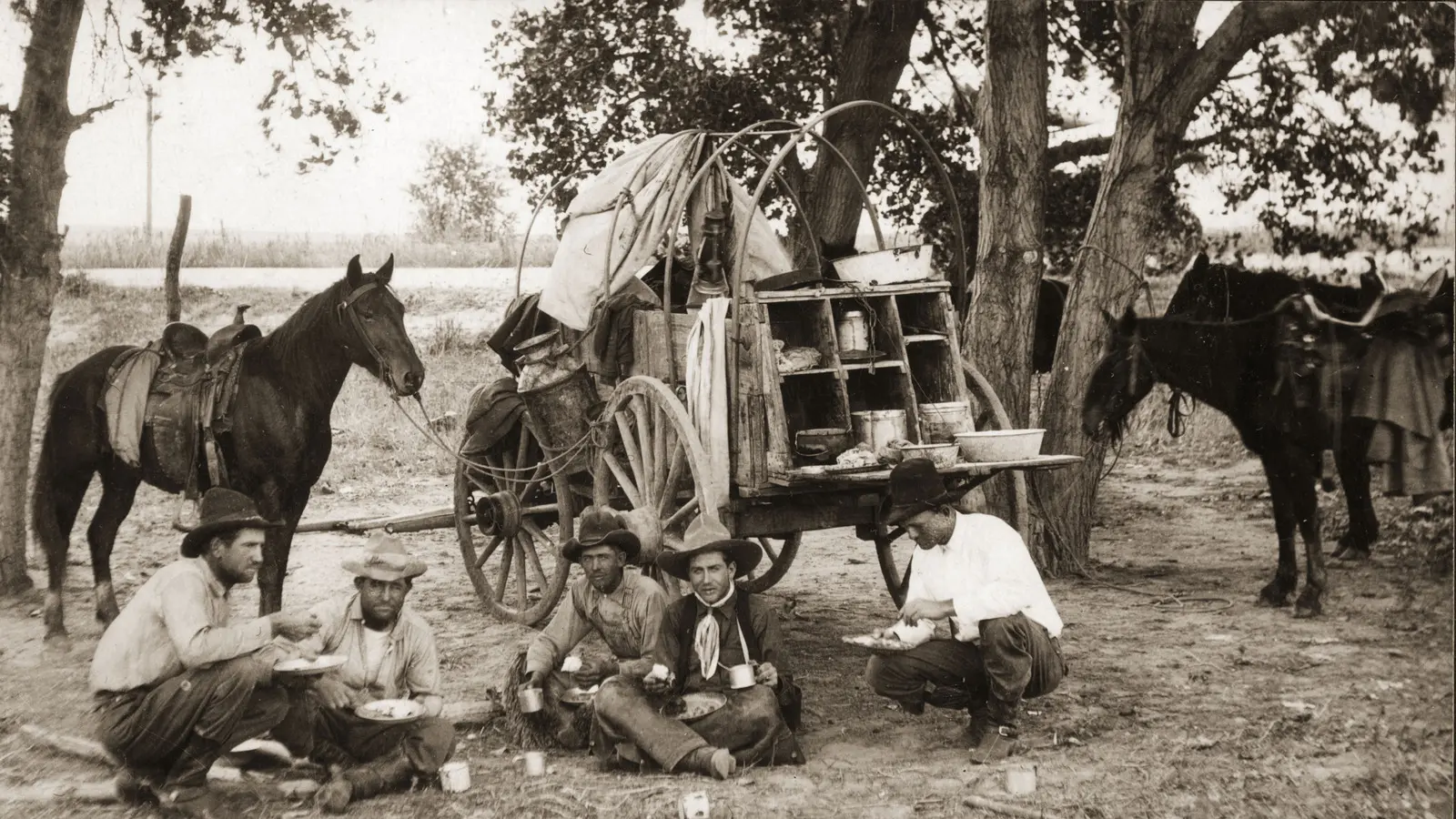
The Durable Diet of the 19th Century American Cowboy
Fueling the Great Cattle Drives
During the 1800s, ranch hands on long-distance cattle drives relied on specialized, long-lasting meals to survive. These laborers faced months of grueling travel across the American frontier. Their diet was designed for endurance and portability, fueling the hard work required to move livestock over hundreds of miles.
Latest news
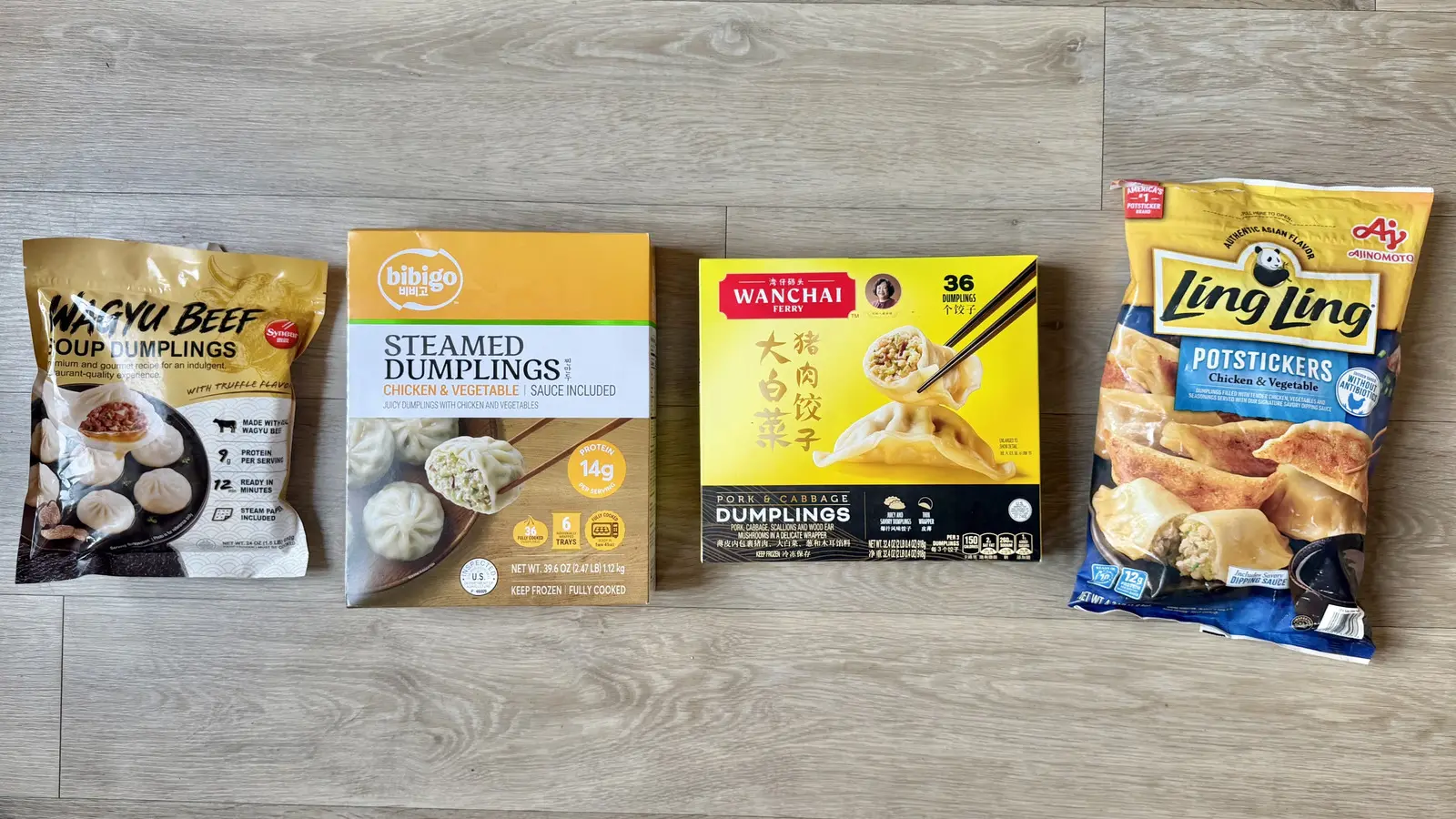 Costco's Frozen Dumpling Lineup, Ranked From Least To Most Tasty
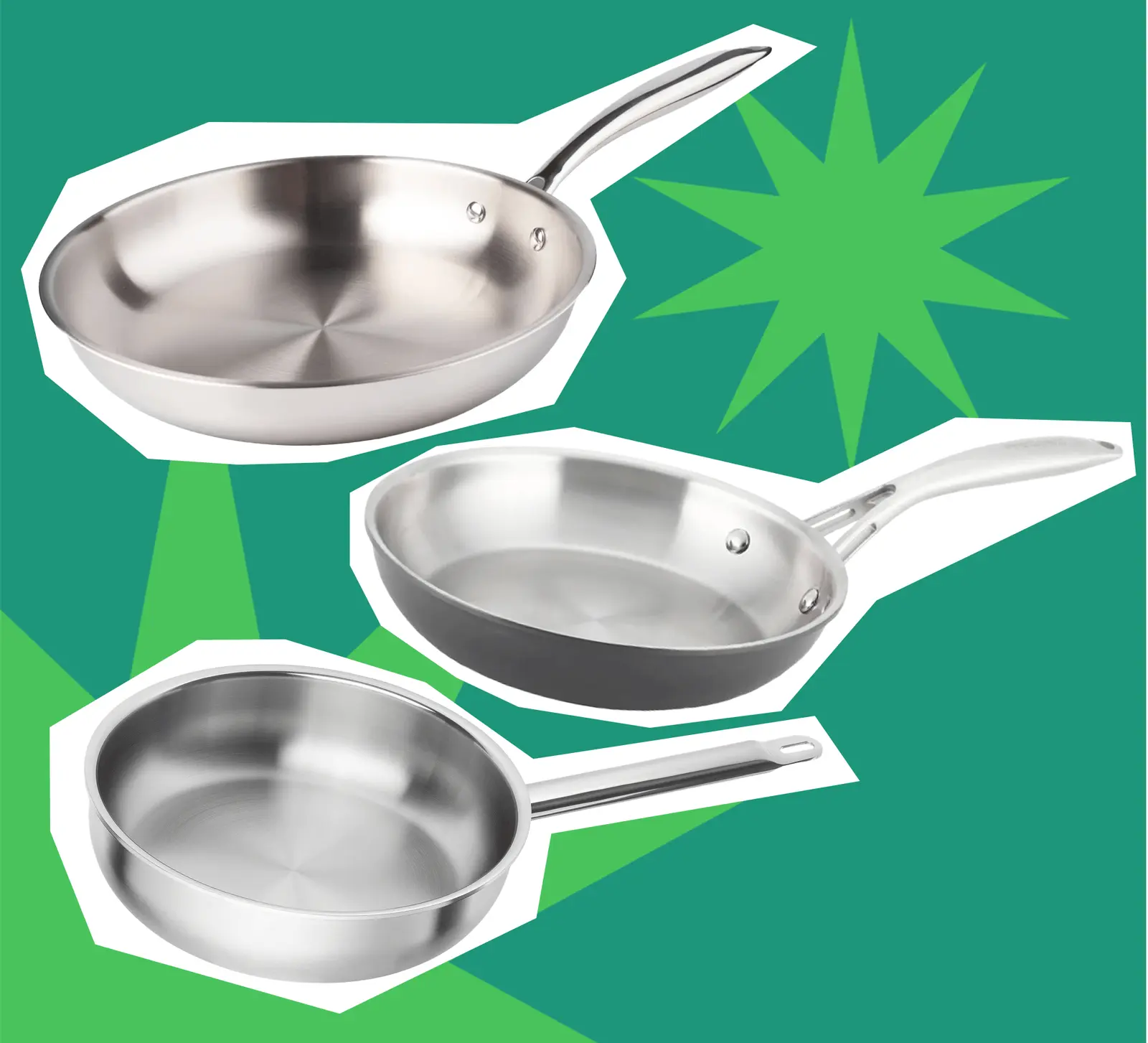 Best stainless-steel frying pans 2026: expert-tested picks for searing, eggs and daily cooking
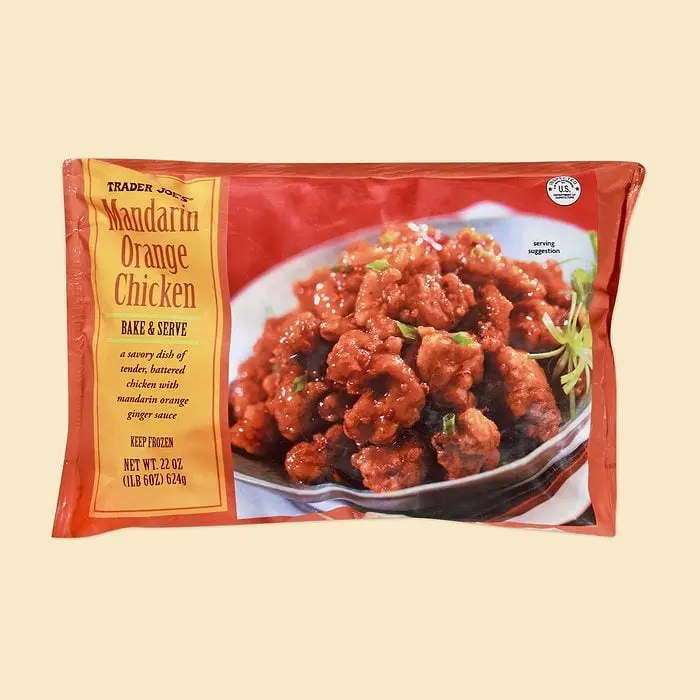 Trader Joe’s First‑Time Shopper Guide: Must‑Try Items
 Panda Express vs P.F. Chang's: Which Orange Chicken Is Healthier?
Unlike the romanticized outlaws seen in cinema, these men were poorly paid workers. They operated in dirty, demanding conditions. Because they lacked access to fresh markets, they needed food that would not spoil under the harsh sun or during sudden weather shifts.
The primary goal for cowboy nutrition was stability. Meals had to withstand the rigors of the trail without refrigeration. This led to a reliance on staples that could be packed in bulk and prepared over open campfires.
Why Was Portability Essential?
These workers spent their days managing herds through unpredictable terrain. The physical toll was immense, requiring high-calorie intake to maintain strength. Simple, hearty ingredients became the hallmark of their daily routine.
The nature of the cattle drive meant that cowboys were constantly on the move. They could not carry heavy kitchen equipment or fragile perishables. Every item in their kit had to serve a purpose and last for weeks.
The ability to prepare a meal quickly at the end of a long day was vital. This efficiency allowed them to rest and recover before the next leg of the journey. The simplicity of their diet reflected the utilitarian nature of their profession.
The legacy of these trail meals highlights the intersection of necessity and survival. While the era of the great drives has passed, these dietary habits illustrate the resilience of early frontier workers.
Frequently Asked Questions
What was the primary goal of cowboy meals? The main objective was durability and portability. Food needed to last for months without spoiling during long cattle drives.
How did real cowboys differ from movie depictions? Real cowboys were hardworking, underpaid ranch hands rather than glamorous outlaws. Their lives were defined by dirty, grueling labor.
Why did they avoid fresh foods? Fresh ingredients were unavailable on the trail. They relied on staples that could survive the environment without refrigeration.
Content written by Victoria Lane for fancy-meals.com editorial team, AI-assisted.