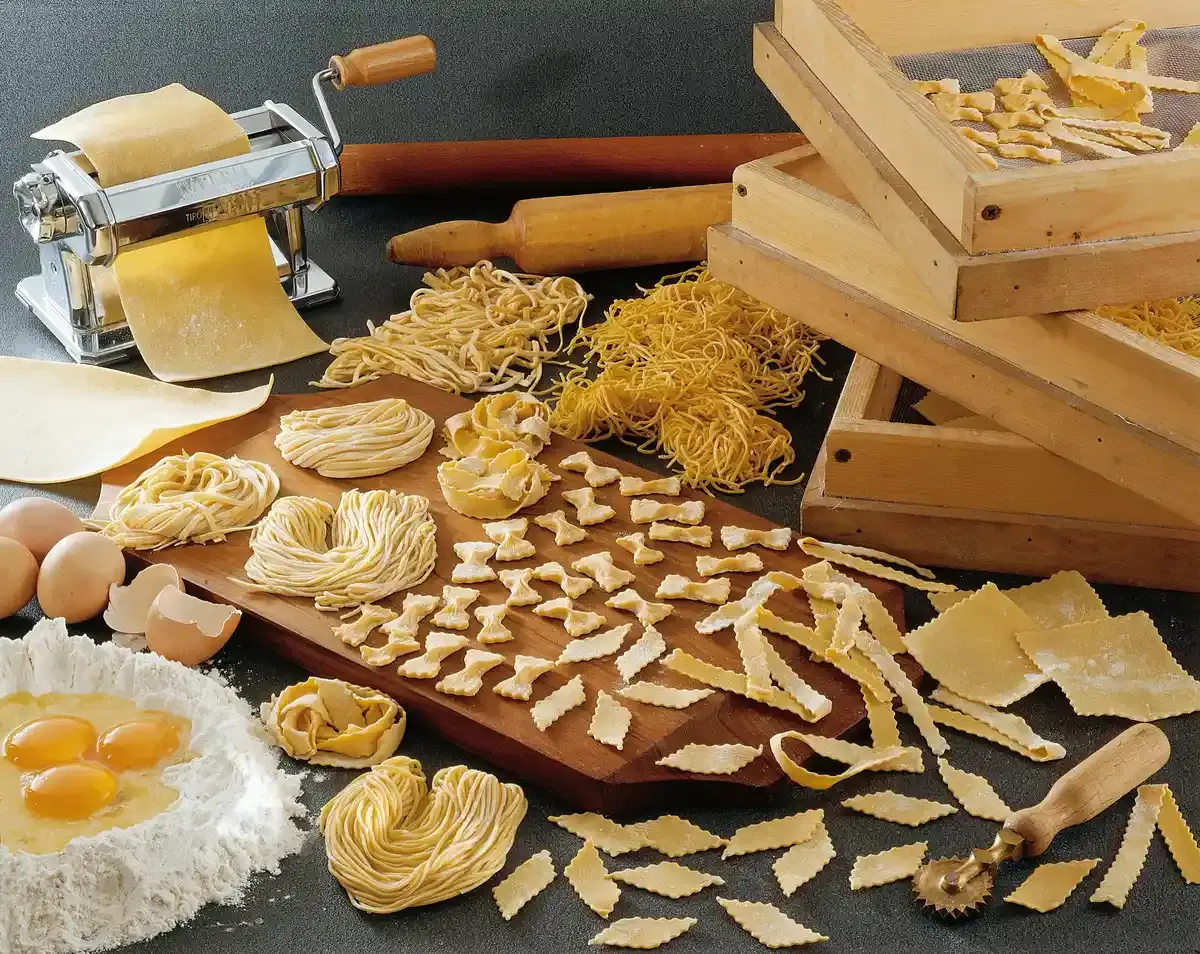
The Diverse World of Pasta: Unlocking the Secrets of Italy's Favorite Shapes
The Art of Pasta Making: A Craft Passed Down Through Generations
Pasta is a staple of Italian cuisine, with over 600 known shapes produced across the country. But did you know that each shape has been designed with a specific purpose in mind? From catching rich meat ragùs to holding delicate broths or creamy sauces, the shape of the pasta can dramatically affect the texture and overall eating experience.
Latest news
 Costco's Frozen Dumpling Lineup, Ranked From Least To Most Tasty
 Best stainless-steel frying pans 2026: expert-tested picks for searing, eggs and daily cooking
 Trader Joe’s First‑Time Shopper Guide: Must‑Try Items
 Panda Express vs P.F. Chang's: Which Orange Chicken Is Healthier?
The origins of pasta date back to ancient times, when Italian cooks would shape and dry various grains to create a simple yet satisfying meal. Over time, pasta evolved into a diverse range of shapes and sizes, each with its own unique characteristics and uses. Today, Italians take great pride in their pasta, with different regions boasting their own specialties and traditions.
What's the Right Pasta for the Job?
Pasta making is a labor-intensive process that requires skill, patience, and attention to detail. Italian pasta makers, known as „pizzaioli,”spend years perfecting their craft, learning the intricacies of shaping, drying, and cooking the perfect pasta. From the classic spaghetti to the more exotic shapes like orecchiette and trofie, each pasta shape has its own unique history and cultural significance.
In the north of Italy, pasta makers are known for their delicate, hand-shaped pastas like tagliatelle and fettuccine. These long, flat noodles are perfect for sopping up rich meat sauces and creamy cheeses. In contrast, the south of Italy is famous for its short, tubular pastas like penne and rigatoni, which are ideal for holding chunky tomato sauces and robust meat ragùs.
When it comes to choosing the right pasta for a particular dish, the possibilities can be overwhelming. But with a little knowledge and practice, you can unlock the secrets of Italy's favorite shapes and create truly memorable meals. Here are a few tips to get you started:
Frequently Asked Questions
For delicate broths and soups, opt for long, thin shapes like spaghetti or angel hair. For rich meat sauces and chunky toppings, choose short, tubular shapes like penne or rigatoni. * For creamy sauces and cheeses, try flat, wide noodles like fettuccine or pappardelle.
By understanding the different shapes and uses of pasta, you can elevate your cooking and create truly authentic Italian dishes. Whether you're a seasoned chef or a curious cook, the world of pasta is waiting to be explored.
Content written by Lucas Carter for fancy-meals.com editorial team, AI-assisted.