The Culinary Landscape of 2003: A Look Back at American Eating Habits
The Rise of Convenience and Diet Fads
In 2003, American kitchens reflected a unique moment in food culture. Many young adults, like an 18-year-old theater enthusiast working as a waitress, viewed food primarily as fuel. This era was characterized by convenience and the beginnings of new dietary trends.
Latest news
 Costco's Frozen Dumpling Lineup, Ranked From Least To Most Tasty
 Best stainless-steel frying pans 2026: expert-tested picks for searing, eggs and daily cooking
 Trader Joe’s First‑Time Shopper Guide: Must‑Try Items
 Panda Express vs P.F. Chang's: Which Orange Chicken Is Healthier?
For this generation, meals were often an afterthought, squeezed between busy schedules. A flip phone and a car represented newfound independence, overshadowing culinary considerations. The focus was on quick, accessible options rather than elaborate home cooking.
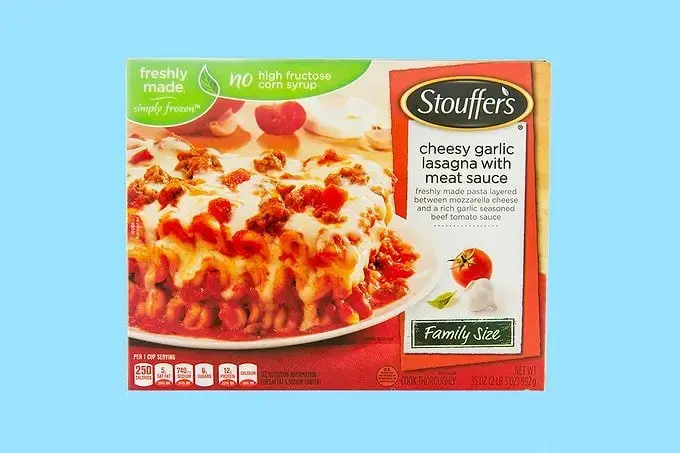
The early 2000s saw a surge in processed foods designed for speed. TV dinners and microwaveable meals were staples for many households. This period also marked the growing influence of various diet crazes. Low-carb diets, for instance, gained significant traction, shaping grocery store aisles and restaurant menus. People were increasingly conscious of food trends, even if their daily eating habits remained practical.
How Did Lifestyle Influence Food Choices in 2003?
Lifestyle played a crucial role in shaping what Americans ate. Demanding work schedules, extracurricular activities, and a desire for instant gratification led to a reliance on pre-packaged solutions. The concept of eating on the gobecame more prevalent, impacting everything from breakfast to dinner. Food was often a means to an end, fitting into a fast-paced existence.
This snapshot of 2003 reveals a society balancing emerging health consciousness with a deep-seated need for convenience. It highlights a period where food was becoming both a personal statement and a practical necessity, laying groundwork for future culinary shifts.
Frequently Asked Questions
What were common food items in 2003? Convenience foods like TV dinners and microwaveable meals were very common. There was also a growing market for products catering to popular diet trends, such as low-carb options.
How did young adults approach food in 2003? Many young adults prioritized convenience and speed due to busy schedules. Food was often seen as a necessity to fuel activities rather than a focus for enjoyment or elaborate preparation.
What was the cultural significance of food trends in 2003? Food trends, especially diet fads, began to influence consumer choices and product development. This indicated a growing awareness of health and wellness, even as practical considerations often dictated daily eating habits.
Content written by Victoria Lane for fancy-meals.com editorial team, AI-assisted.