
Slow Cooking's Humble Beginnings
Harnessing Ancient Techniques
In the 1950s, Irving Naxon, an engineer, created the first-ever slow cooker. Naxon drew inspiration from his mother, who used to cook meals in a stone oven to keep them warm for hours. He also borrowed ideas from ancient cultures that slow-cooked food in underground pits with low fires.
Latest news
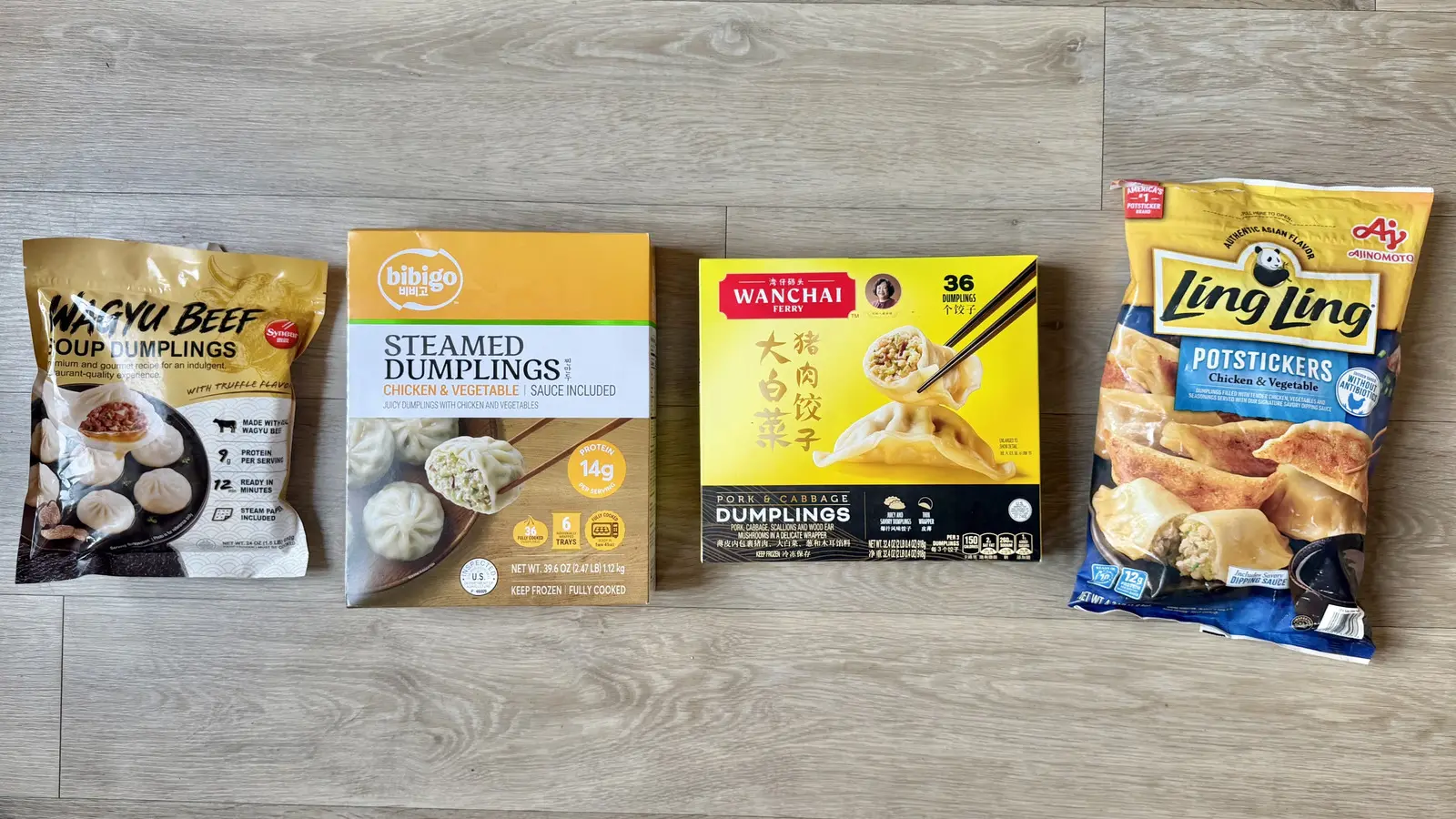 Costco's Frozen Dumpling Lineup, Ranked From Least To Most Tasty
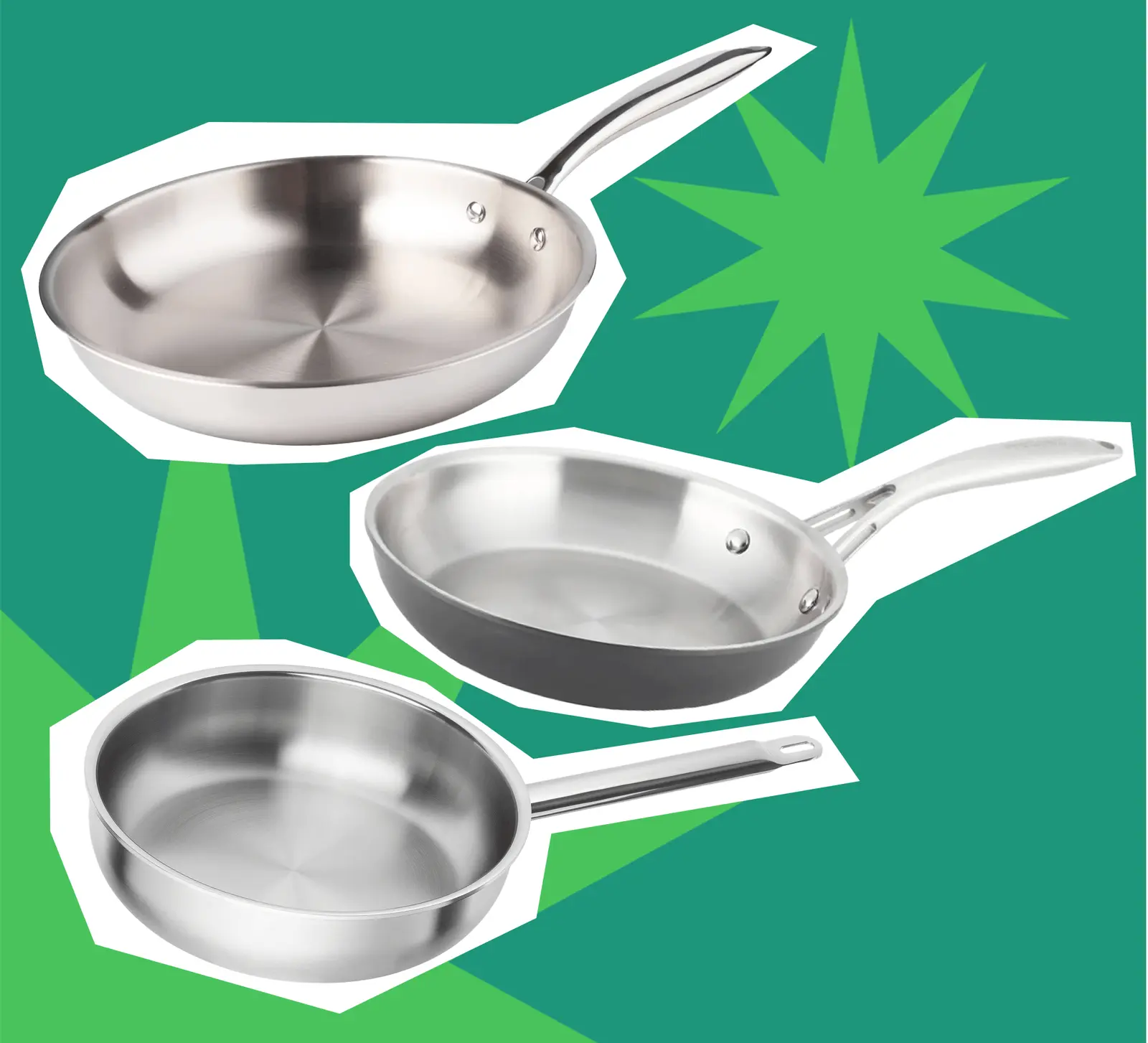 Best stainless-steel frying pans 2026: expert-tested picks for searing, eggs and daily cooking
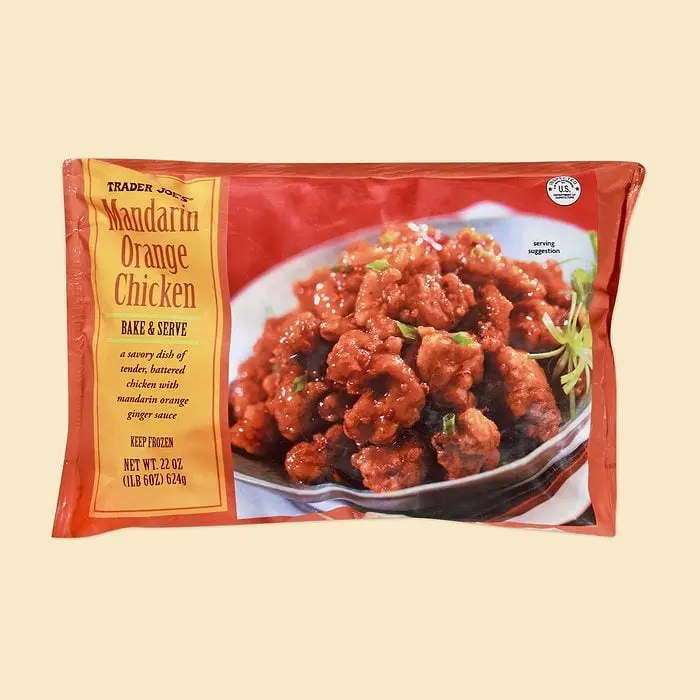 Trader Joe’s First‑Time Shopper Guide: Must‑Try Items
 Panda Express vs P.F. Chang's: Which Orange Chicken Is Healthier?
How Did It Work?
Naxon's slow cooker was initially called the „Naxon Beanery.”It was a simple, ceramic pot with a heating element that cooked food at a low temperature over several hours. The device was designed to mimic the effects of slow-cooking in an underground pit. Naxon's invention was a response to his wife's complaints about the time it took to cook meals. He wanted to create a device that could cook food while they were away from home.
What's the Legacy of the First Slow Cooker?
The Naxon Beanery used a thermostat to regulate the temperature, keeping it at a consistent level. This allowed the food to cook slowly and evenly. The device was also designed to be safe, with a feature that prevented it from overheating. Naxon's slow cooker was a groundbreaking invention that paved the way for modern slow cookers.
What inspired Irving Naxon to create the first slow cooker?
The Naxon Beanery may have been the first slow cooker, but it was the Crock-Pot that popularized the concept in the 1970s. Today, slow cookers are a staple in many kitchens around the world. They offer a convenient way to cook meals while saving time and energy.
How did the Naxon Beanery work?
Irving Naxon was inspired by his mother's cooking methods and ancient cultures that slow-cooked food in underground pits. He also wanted to create a device that could cook meals while his wife was away from home.
What was the impact of the Naxon Beanery on modern slow cookers?
The Naxon Beanery paved the way for modern slow cookers, including the popular Crock-Pot.
Content written by Henry Cross for fancy-meals.com editorial team, AI-assisted.