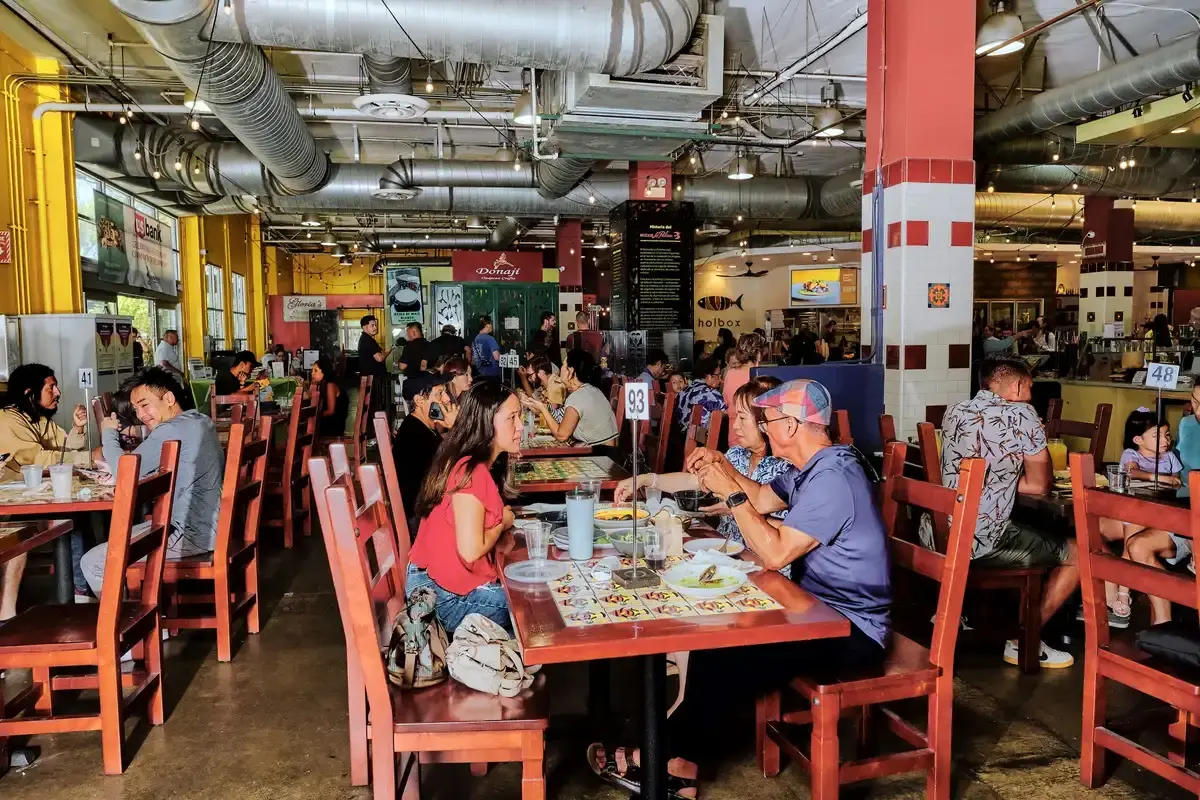
Los Angeles’ Must‑Visit Restaurants Shine in 2026
A Culinary Mosaic: Why Los Angeles Leads the Nation
Los Angeles continues to dominate America’s dining scene, offering a mix of global flavors and innovative concepts. On June 5, 2026, food writer Emily Wilson highlighted the city’s top eateries, from bustling market stalls to refined tasting rooms. The guide spotlights venues like Mercado La Paloma, home to the celebrated Komar restaurant, and other must‑hit spots across the metropolis.
Latest news
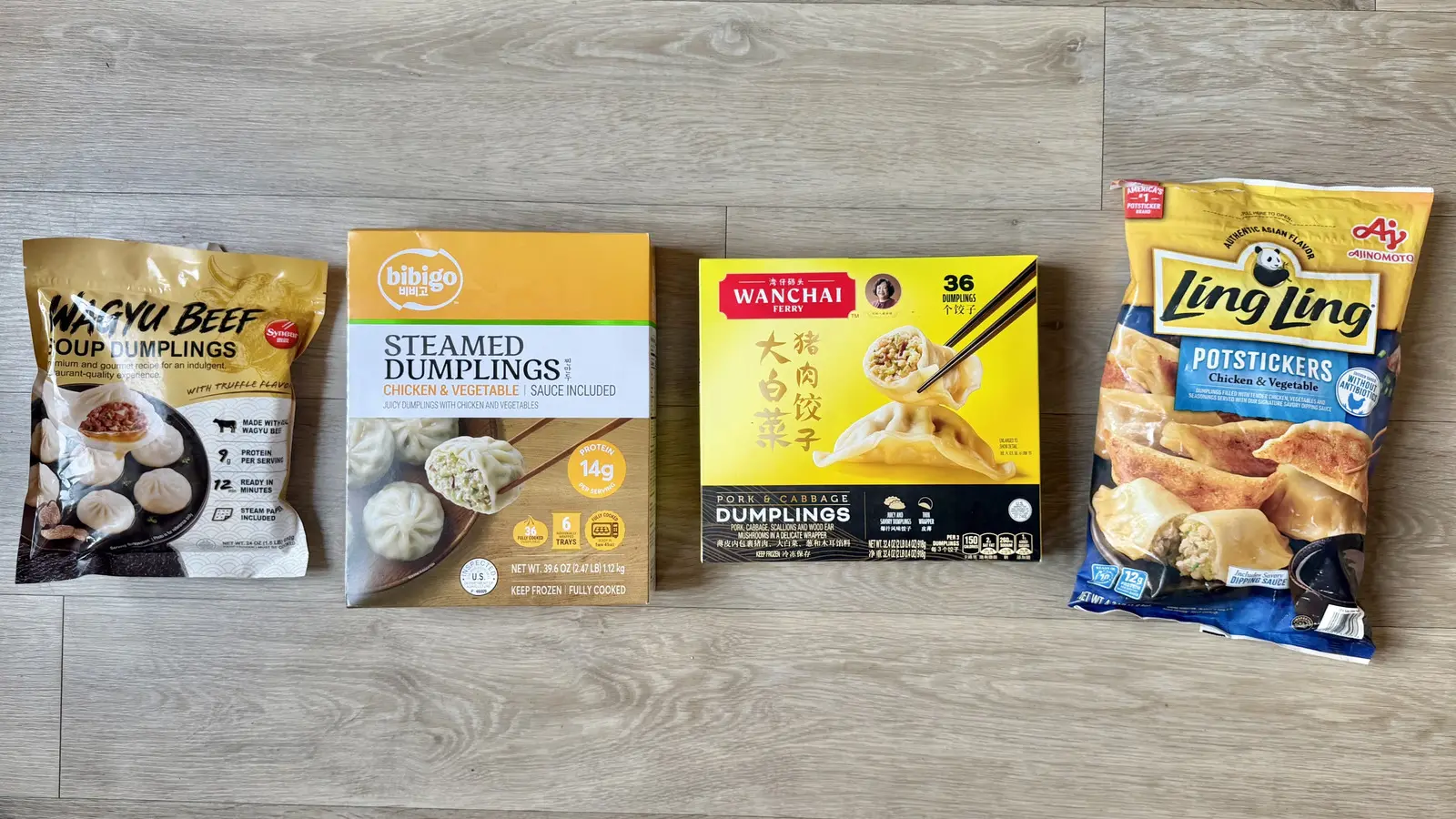 Costco's Frozen Dumpling Lineup, Ranked From Least To Most Tasty
 Best stainless-steel frying pans 2026: expert-tested picks for searing, eggs and daily cooking
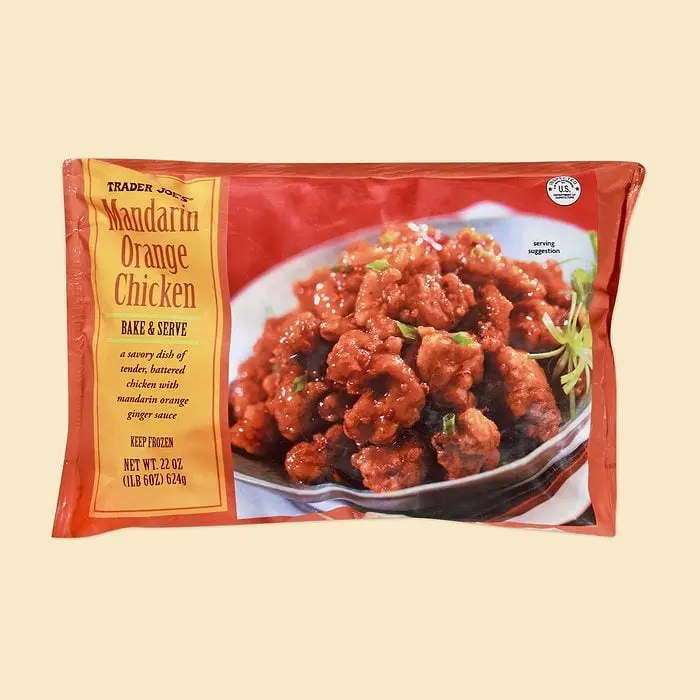 Trader Joe’s First‑Time Shopper Guide: Must‑Try Items
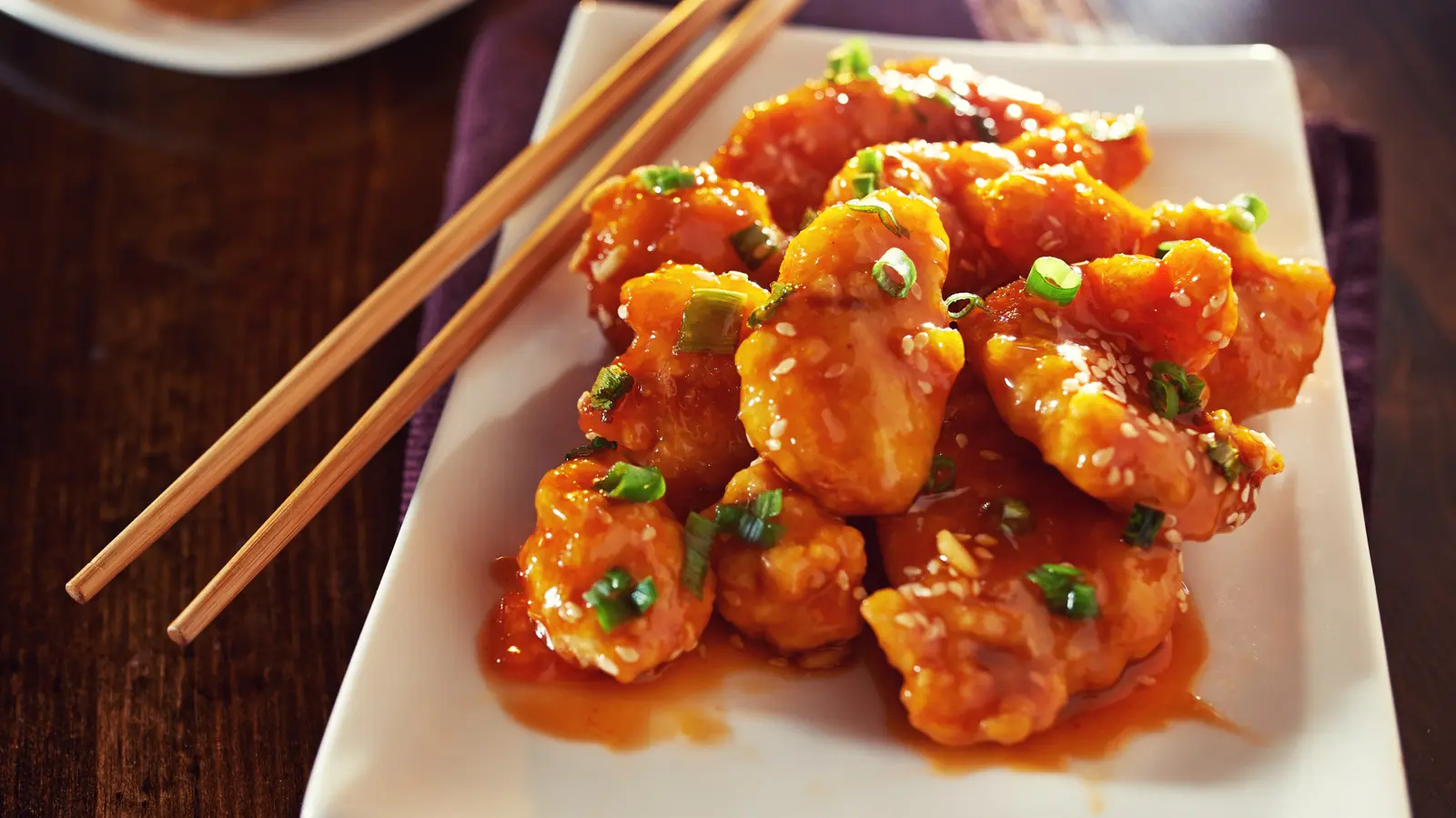 Panda Express vs P.F. Chang's: Which Orange Chicken Is Healthier?
The selection reflects LA’s reputation as a culinary laboratory where chefs experiment with ingredients from every continent. Local diners flock to neighborhoods where street tacos share space with avant‑garde sushi bars. The city’s diverse population fuels demand for authentic regional dishes, while a thriving tourism industry pushes restaurants to elevate service and ambiance. As a result, new openings appear quarterly, keeping the food landscape fresh and competitive.
Los Angeles’ advantage stems from its multicultural heritage and access to fresh produce. Farmers’ markets supply chefs with year‑round vegetables, seafood, and herbs, enabling menus that evolve with the seasons. „The proximity to the Pacific and the desert creates a unique flavor palette,” Wilson noted in her interview with local restaurateurs. This abundance encourages chefs to blend techniques, producing dishes that feel both familiar and groundbreaking. Moreover, the city’s film and tech sectors attract talent eager to experiment, fostering a climate where risk‑taking is rewarded.
Which Neighborhoods Host the Hottest Dining Hotspots?
From the historic streets of Downtown to the sun‑kissed avenues of Santa Monica, certain districts have become culinary magnets. Mercado La Paloma, situated in the Arts District, draws crowds seeking authentic Mexican street food alongside contemporary twists. Meanwhile, the Westside’s Koreatown corridor offers a dense concentration of Korean barbecue joints and fusion bistros, reflecting the area’s evolving palate. Residents and visitors alike report longer wait times and higher reservation demand, signaling that these neighborhoods are setting the benchmark for LA’s restaurant scene.
Looking ahead, the city’s restaurant ecosystem appears poised for continued growth. New chefs are expected to open doors in emerging districts like Echo Park, while established venues will likely expand outdoor seating to accommodate post‑pandemic dining habits. As Los Angeles maintains its status as a food capital, diners can anticipate an ever‑richer tapestry of flavors and experiences.
Frequently Asked Questions
What makes Mercado La Paloma a standout venue? Located in the Arts District, Mercado La Paloma combines a vibrant market atmosphere with the acclaimed Komar restaurant, offering both casual stalls and upscale dining under one roof.
How does LA’s climate affect its restaurant offerings? Mild weather allows chefs to source fresh produce year‑round and keep patios open, encouraging menus that highlight seasonal ingredients and outdoor dining experiences.
Will the restaurant scene stay affordable for locals? While high‑profile spots command premium prices, the city’s diverse culinary ecosystem ensures a range of options, from budget‑friendly street vendors to fine‑dining establishments.
Content written by Lucas Carter for fancy-meals.com editorial team, AI-assisted.