
How to Turn a Glass of Apples into an Elegant Dessert Inspired by Anthony Bourdain
How to Transform a Glass of Apples into a Sophisticated Dessert in the Style of
Anthony Bourdain left a lasting and unforgettable mark on the world of gastronomy, not only through his culinary talent but also through the way he used food to explore culture, identity, and human connection. This was captured with intensity in the biographical film „Tony,” produced by A24, which offered audiences an intimate look at the life and philosophy of the renowned chef and traveler. Although he traveled to every corner of the globe, tasting authentic dishes from streets and local markets, Bourdain was not known as a dessert enthusiast. In fact, he often admitted he had no strong preference for sweet flavors and did not enjoy baking. Yet, despite his reluctance toward sweets, he surprisingly included a simple but remarkable preparation in his cookbook „Les Halles Cookbook.”
Latest news
 Costco's Frozen Dumpling Lineup, Ranked From Least To Most Tasty
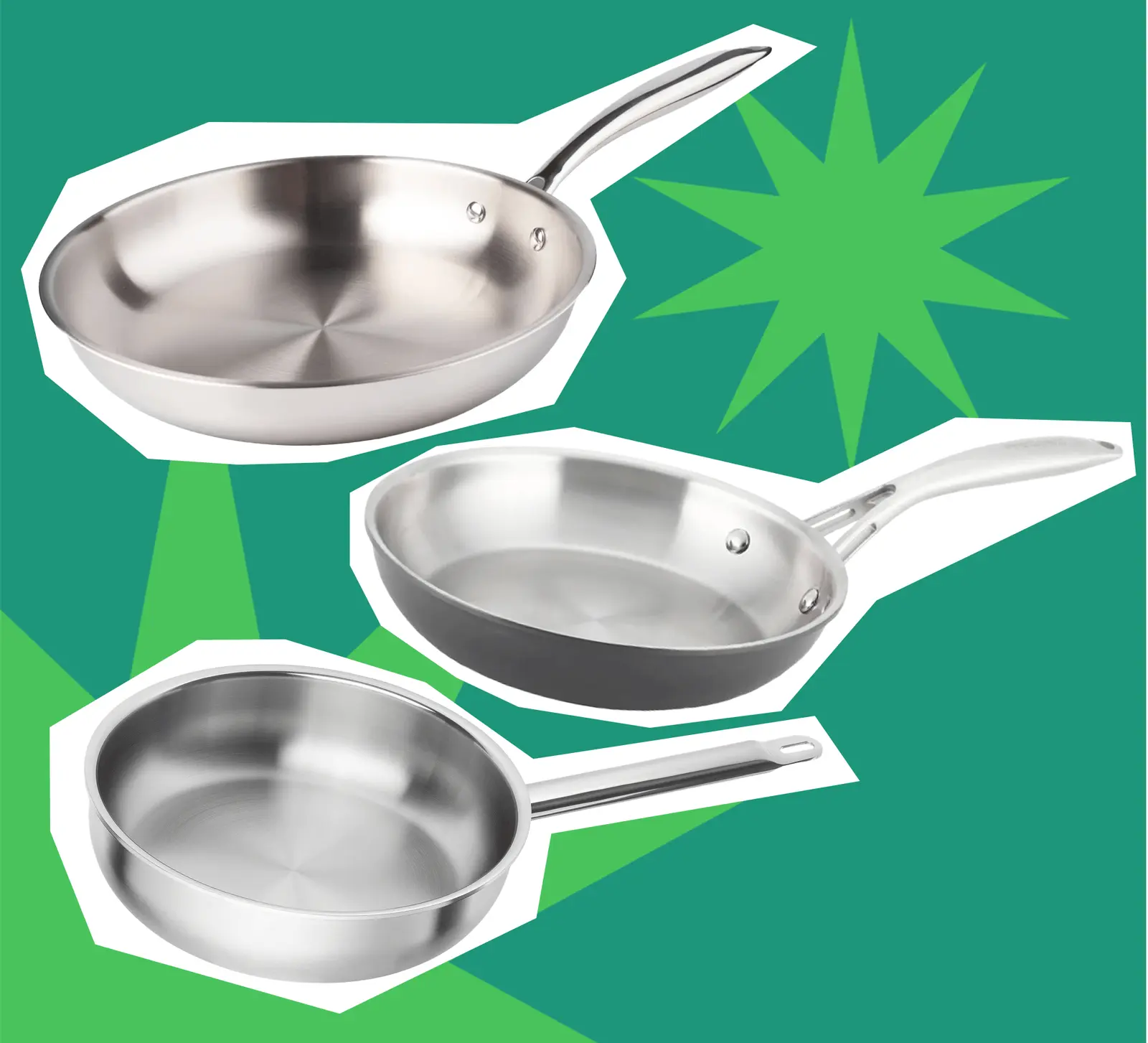 Best stainless-steel frying pans 2026: expert-tested picks for searing, eggs and daily cooking
 Trader Joe’s First‑Time Shopper Guide: Must‑Try Items
 Panda Express vs P.F. Chang's: Which Orange Chicken Is Healthier?
This recipe, though modest at first glance, contains everything needed to become a memorable dessert: fresh apples, enriched with a citrus peel confit. It is a combination that seems elementary, but when executed with care, transforms an ordinary ingredient into a sophisticated and pleasing taste experience. What makes this preparation special is not its complexity, but the balance between fresh acidity, controlled sweetness, and a fine aroma of fresh herbs. Bourdain understood that luxury is not always measured by expensive ingredients or complicated techniques, but by the intensity with which each element is treated and by respect for quality and authenticity.
To recreate this idea in your home kitchen, you don’t need professional tools or advanced pastry skills. Starting with a glass of well-washed and dried apples, begin by preparing the citrus peel confit. This is made by thinly slicing the peels of lemon or orange (avoiding the white, bitter part), then simmering them in a mixture of water and sugar in a 2:1 ratio—two parts water to one part sugar. The mixture is simmered until the sugar fully dissolves, then the heat is reduced and it is left to gently simmer for about 10–15 minutes, until the peels become translucent and the syrup thickens slightly. This process not only concentrates the flavor but also preserves the citrus’s aromatic essence in a sweet, slightly chewy form.
Once the confit is ready and cooled, it’s time to combine it with the apples. Choose firm, sweet-tart apples—such as Gala, Fuji, or Honeycrisp—to ensure a pleasant texture and a flavor that doesn’t become too sweet. Place the apples in a clear glass or glass bowl so you can appreciate the visual layering. Unlike many desserts that rely on heavy creams or loaded compositions, this preparation thrives on lightness and contrast. Add a teaspoon of honey or a bit of brown sugar if the apples are too tart, then scatter a few coarsely chopped fresh mint leaves over them to release their aroma. A generous spoonful of crème fraîche delicately placed on top adds a note of richness and a subtle acidity that perfectly balances the apple’s sweetness and the citrus peel’s mild bitterness.
To recreate this idea in your home
The final touch—and perhaps the most important—is the room-temperature citrus peel confit, generously sprinkled over everything. This not only adds a pop of color—yellow-orange hues that catch the light—but introduces a subtle texture, slightly chewy, and a burst of citrus aroma that unfolds on the spoon. Without being overly sweet or overly complex, this dessert succeeds in offering a sense of refinement without effort. It is ideal as a finale after a rich meal or as a sweet pause during the day—easy to prepare, yet impossible to forget.
What makes this preparation so fitting in Bourdain’s spirit is that it reflects his philosophy: food doesn’t need to be spectacular to be meaningful. He believed the deepest culinary experiences arise when attention is paid to details, when ingredients are respected, and when connections are formed through the simple act of eating together. In this dessert, there are no advanced pastry techniques, no exotic or rare ingredients—just apples, citrus peel, sugar, water, mint, and crème fraîche. Yet their thoughtful combination, executed with care, produces an effect that surpasses the sum of its parts.
Moreover, this recipe is highly adaptable. If you don’t have apples, you can use pears, berries, or even blueberries—forest fruits pair excellently with citrus acidity. If you don’t have crème fraîche, heavy cream or even Greek yogurt can work as substitutes, though they will slightly alter the flavor profile. Mint can be replaced with basil for a less classic but interesting note. And if you’d like to add extra texture, a few toasted almonds or melted pecans can work wonders.
In a world where desserts are becoming ever more elaborate, expensive, and dependent on special techniques, this idea inspired by Anthony Bourdain reminds us that elegance does not require complication. Sometimes, the most pleasing moments at the table come from the simplest combinations—when a glass of apples, through thoughtful preparation and a few well-chosen ingredients, becomes a dessert that feels both familiar and luxurious. It is a reminder that, at its essence, cooking is about connection—with ingredients, with tradition, and ultimately, with one another.
Content written by Victoria Lane for fancy-meals.com editorial team, AI-assisted.