How Discarded Tortillas Sparked a Snack Revolution
From Factory Floor to National Shelves
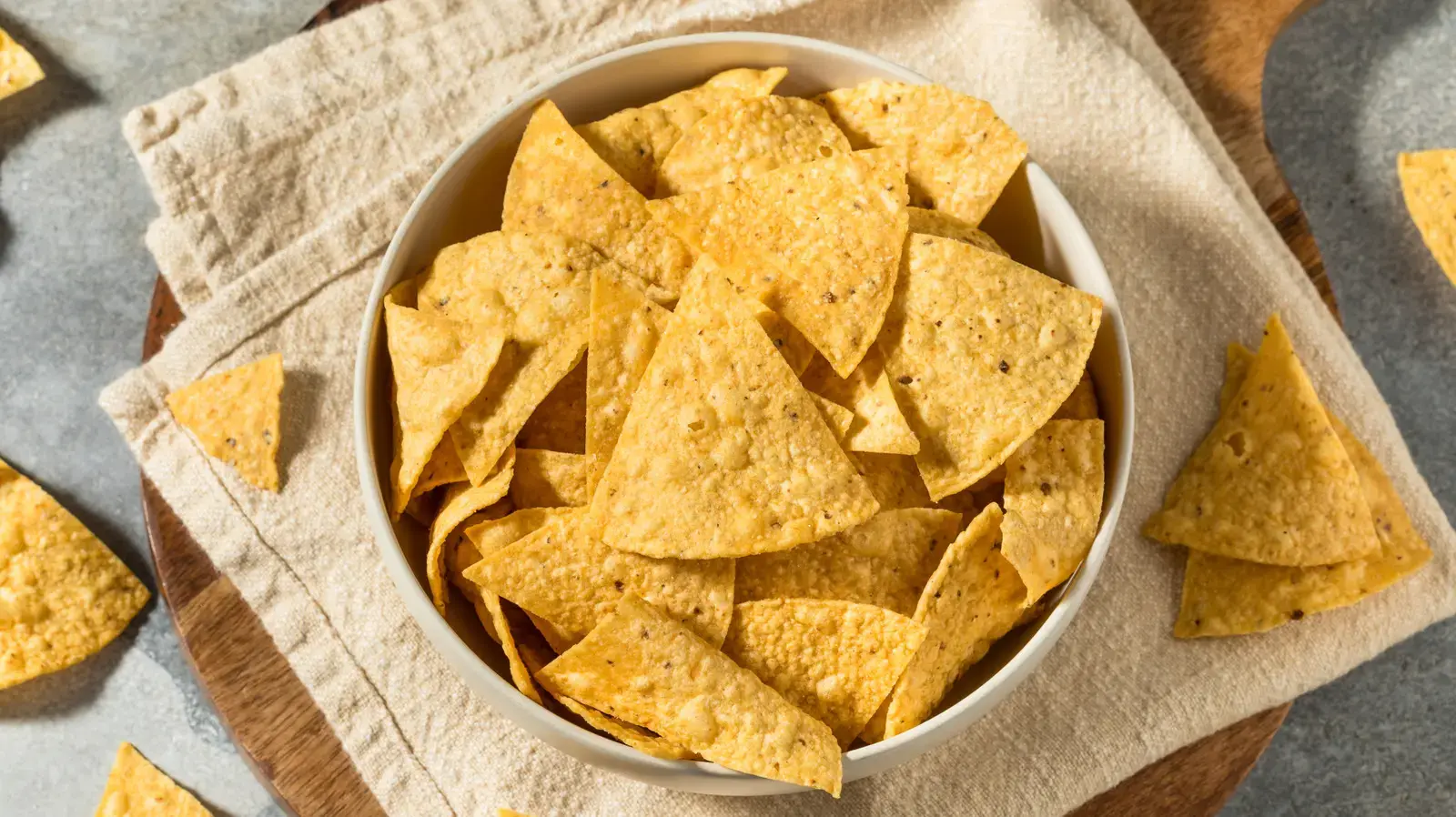
In the 1940s, Rebecca Webb Carranza worked at her family’s tortilla factory in Los Angeles, where misshapen tortillas were routinely thrown away. Seeing potential in the waste, she began cutting the flawed pieces into triangles and frying them. This simple act transformed discarded food into a beloved snack, laying the foundation for the modern tortilla chip industry. Her innovation emerged during a time when Mexican-American cuisine was gaining broader recognition in Southern California.
Latest news
 Costco's Frozen Dumpling Lineup, Ranked From Least To Most Tasty
 Best stainless-steel frying pans 2026: expert-tested picks for searing, eggs and daily cooking
 Trader Joe’s First‑Time Shopper Guide: Must‑Try Items
 Panda Express vs P.F. Chang's: Which Orange Chicken Is Healthier?
Carranza’s idea was both practical and timely. As automated tortilla production increased, so did the volume of imperfect products. Instead of accepting waste, she experimented with frying the scraps, discovering they held up well and tasted delicious when salted. She first served them at family gatherings, then began selling them locally. The snack’s popularity grew steadily, eventually attracting larger food companies that recognized its mass-market appeal. By adapting a traditional staple into a convenient, shareable format, she bridged cultural cuisine and American snacking habits.
From Factory Floor to National Shelves The success of Carranza’s tortilla chips did not happen overnight. Initially sold in small bags at regional markets, the product gained traction through word of mouth and local demand. As consumers embraced the crunchy, salty treat, distributors took notice. Major snack brands later adopted the concept, scaling production and introducing variations like flavored and baked versions. Carranza’s original method—frying corn tortilla triangles—remained the core technique, even as industrial processes evolved. Her contribution went uncredited for years, but historians now acknowledge her as the pioneer who turned a kitchen hack into a global phenomenon.
What Role Did Cultural Identity Play in the Snack’s Rise? The tortilla chip’s ascent reflects broader shifts in how ethnic foods are integrated into mainstream American culture. Carranza, a Mexican-American entrepreneur, leveraged her heritage to create something both authentic and accessible. Rather than diluting tradition, she presented it in a form that resonated across communities. This balance allowed the snack to gain acceptance without losing its roots. Over time, tortilla chips became a staple at parties, restaurants, and households nationwide, symbolizing both cultural contribution and culinary adaptation.
Frequently Asked Questions Who invented tortilla chips?
Frequently Asked Questions Who invented tortilla chips? Rebecca Webb Carranza is credited with inventing tortilla chips in the 1940s by frying discarded tortilla scraps from her family’s factory in Los Angeles.
How did tortilla chips become popular? They gained popularity through local sales in Southern California, then expanded as larger snack companies adopted the concept and scaled production for national distribution.
Why were tortillas being discarded in the first place? Automated tortilla production often resulted in misshapen or imperfect tortillas that did not meet quality standards, leading to routine disposal before Carranza repurposed them.
Content written by Tasting Table for fancy-meals.com editorial team, AI-assisted.