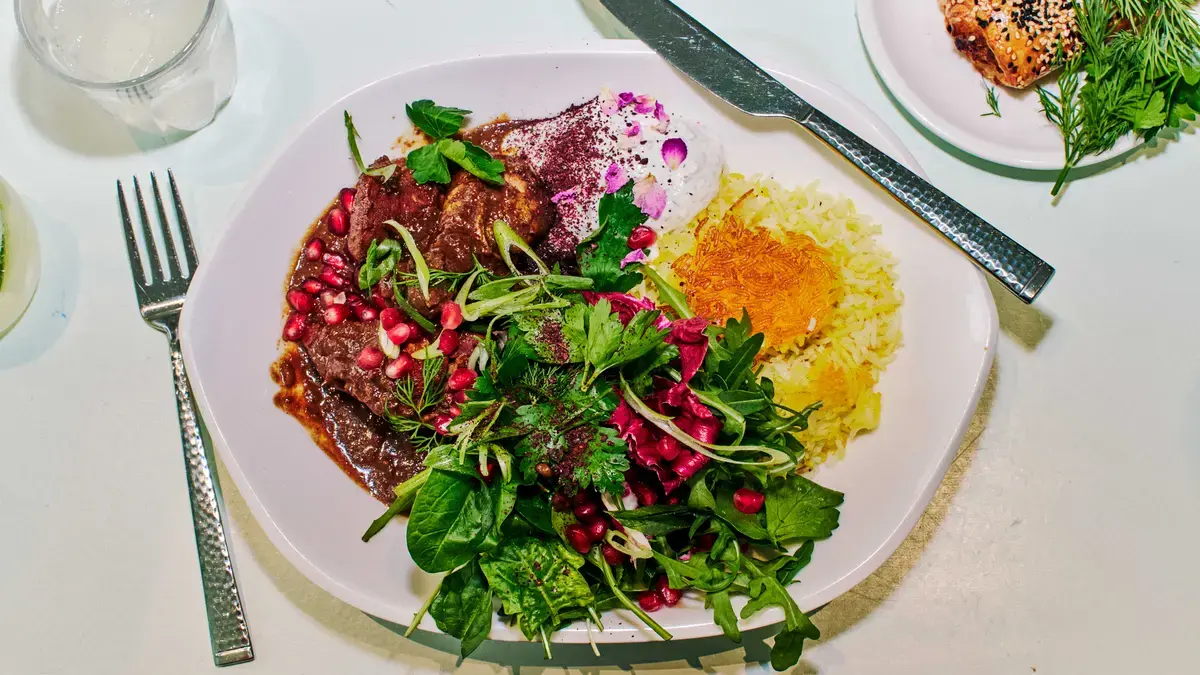
Berlin’s dining map now includes twelve restaurants that serve global flavors far beyond the classic currywurst, from Sichuan zhajiang noodles to Iranian tahdig, redefining the city’s culinary reputation.
From Sichuan Street to Tehran: Authentic Asian and Middle Eastern Kitchens
The shift reflects Berlin’s post‑Cold‑War rebirth as a multicultural hub. Young travelers and locals alike now flock to neighborhoods like Kreuzberg and Neukölln, where chefs blend authentic techniques with local ingredients. The city’s split history once limited its food scene, but today a vibrant mix of cultures fuels innovation on every street corner.
Latest news
 Five-Day High-Protein Meal Plan Launches for Busy Cooks
 Soy Saucelebrity chef reveals soy sauce trick for richer brownies
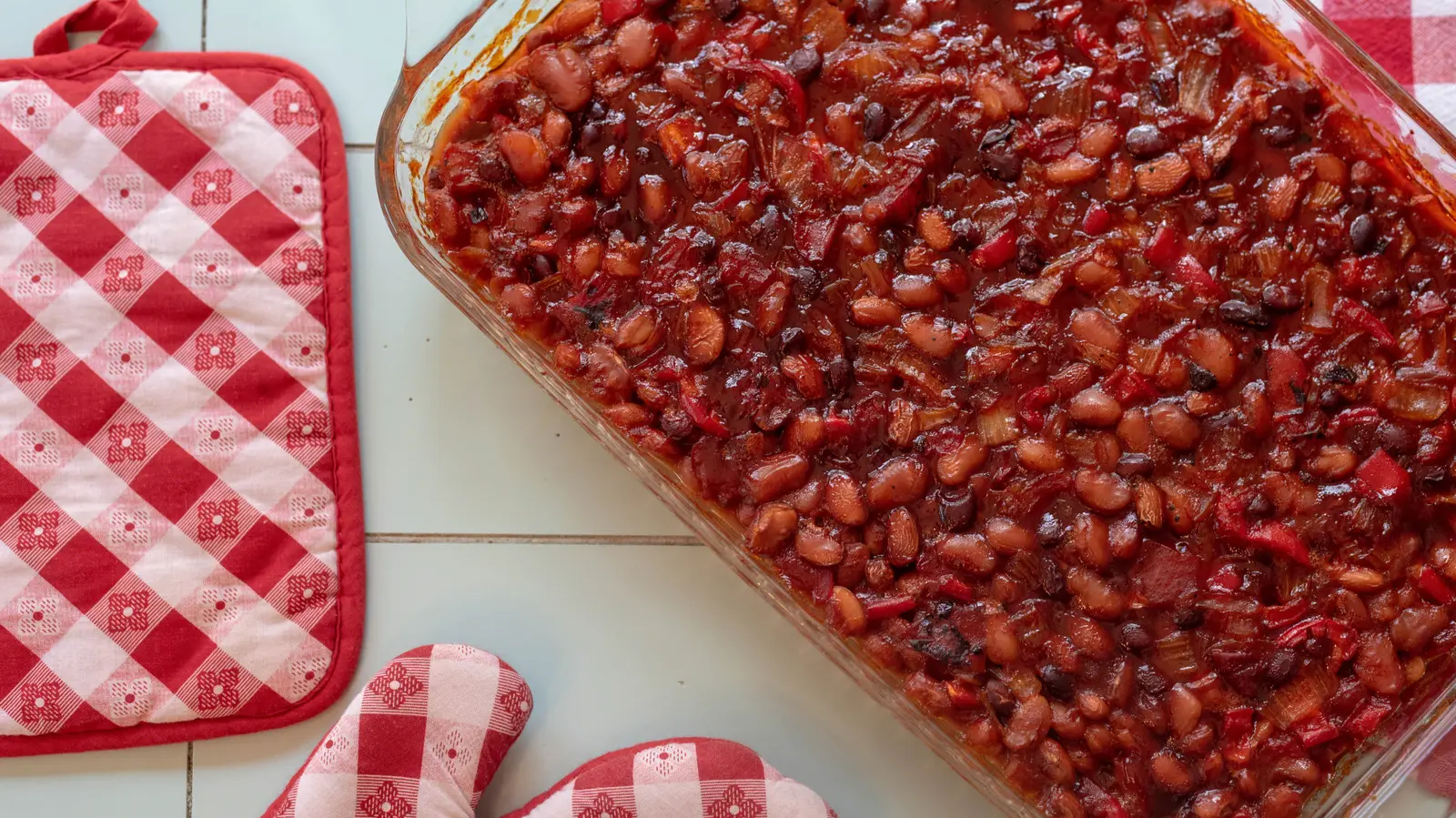 Unconventional Fruit Boosts Canned Baked Beans' Flavor
 Skip the Dipping Cup — Coat Chicken Tenders with Sauce Before Cooking
At „Spice Route” in Friedrichshain, chef Li Wei serves hand‑pulled zhajiang noodles drenched in Sichuan pepper oil. „We honor the heat of Sichuan while respecting Berlin’s palate,” he explains. The dish has become a lunchtime staple for office workers seeking a quick, bold flavor. Across the city, „Tahdig House” in Charlottenburg recreates the Persian crispy rice crust with a modern twist, pairing it with slow‑cooked lamb shank. Patrons praise the contrast between the crunchy bottom and tender meat, calling it „comfort food with a story.” Both venues source ingredients from local markets, proving that authenticity does not require import fees. Their success has encouraged other entrepreneurs to explore lesser‑known cuisines, expanding Berlin’s menu beyond German staples.
Can Berlin’s New Food Scene Compete with Its Nightlife Reputation?
Berlin is famed for its clubs, yet the restaurant sector now rivals that fame. „People used to think the city only offered cheap beer and sausages,” says food critic Anja Müller. „Now they talk about the best ramen in town before they mention a techno set.” The rise of brunch culture, paired with late‑night menus, mirrors the city’s 24‑hour rhythm. Restaurants like „Midnight Dumplings” stay open until 3 a.m., serving steaming bao to clubbers after the last set. This synergy between dining and nightlife creates a continuous loop of cultural consumption, reinforcing Berlin’s image as a round‑the‑clock destination.
The growing diversity promises a lasting impact on Berlin’s identity. As more chefs experiment with fusion and heritage dishes, the city’s culinary map will likely expand further, attracting food tourists from across Europe. Investors are already eyeing new spaces, suggesting that the momentum will not fade. Berlin’s reputation as a gastronomic frontier appears set to endure, complementing its legendary party scene.
What cuisines are highlighted among the twelve restaurants? The selection showcases Asian, Middle Eastern, African, and modern European flavors, with dishes like Sichuan noodles, Persian tahdig, Ethiopian injera, and Nordic foraged plates.
Frequently Asked Questions
Are these restaurants affordable for everyday diners? Most offer main courses between €8 and €15, balancing quality with price. Several provide lunch specials and street‑food‑style portions for budget‑conscious visitors.
How does the city support these culinary ventures? Berlin’s local government offers grants for cultural projects, and numerous food festivals provide platforms for emerging chefs to showcase their concepts.
Content written by Isabelle Fontaine for fancy-meals.com editorial team, AI-assisted.