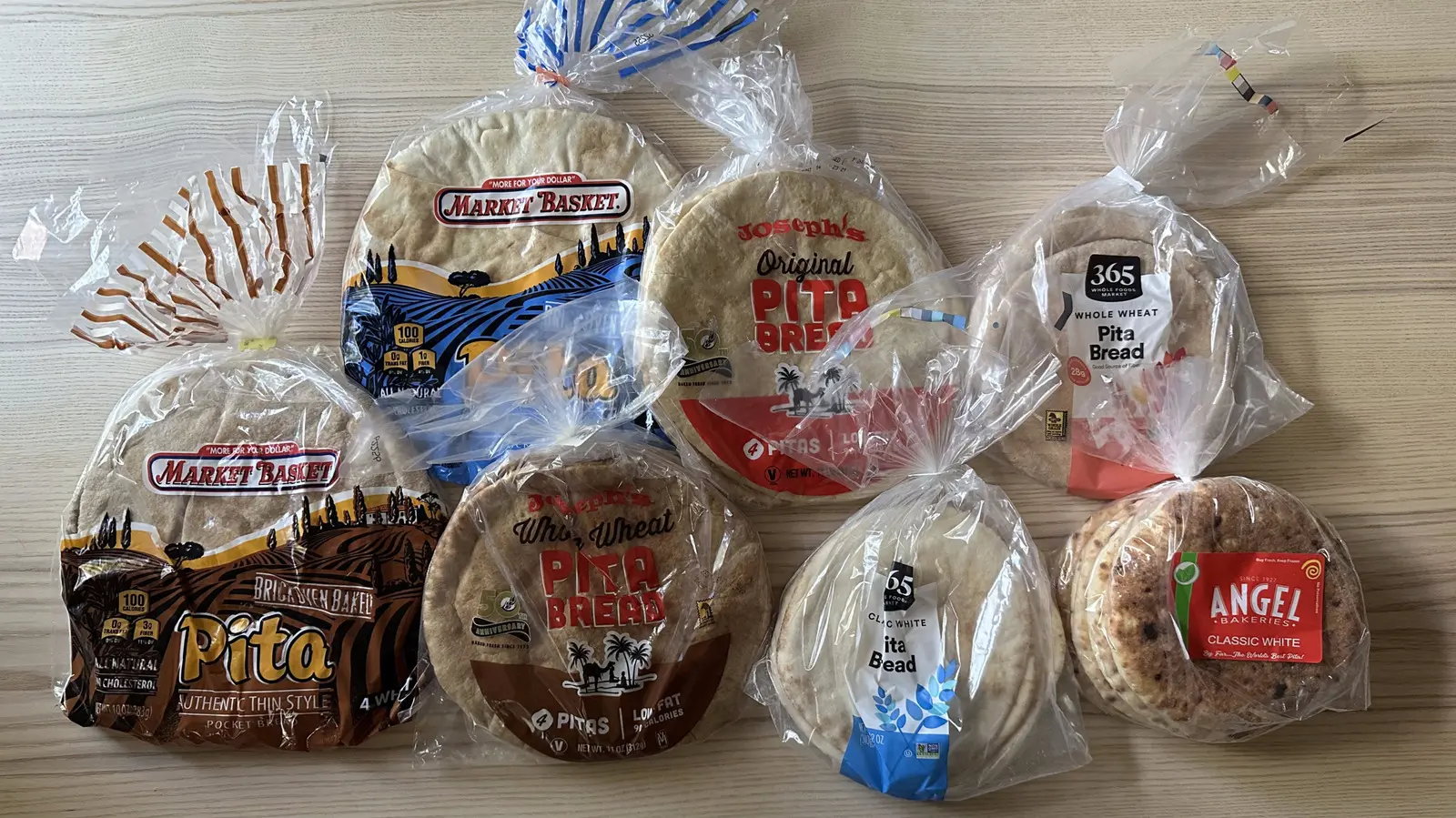
4 Store‑Bought Pita Brands Ranked: The Clear Winner Emerges
Why Pita Matters More Than Ordinary White Bread
A recent tasting panel evaluated four popular packaged pita breads available in U. S. supermarkets. The test, conducted in September 2026, compared texture, flavor, and versatility, and identified a single brand that consistently outperformed the others across all criteria.
Latest news
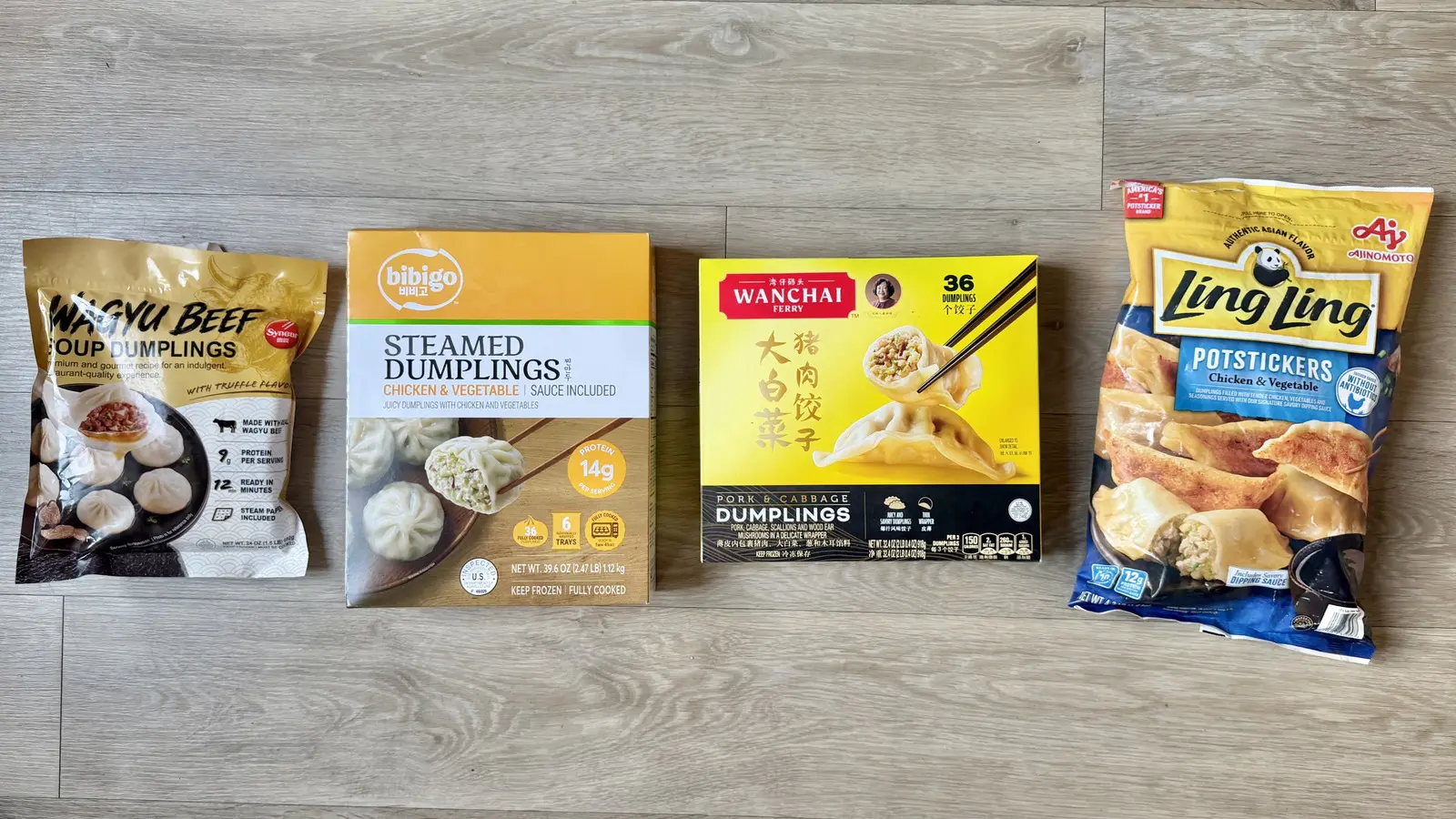 Costco's Frozen Dumpling Lineup, Ranked From Least To Most Tasty
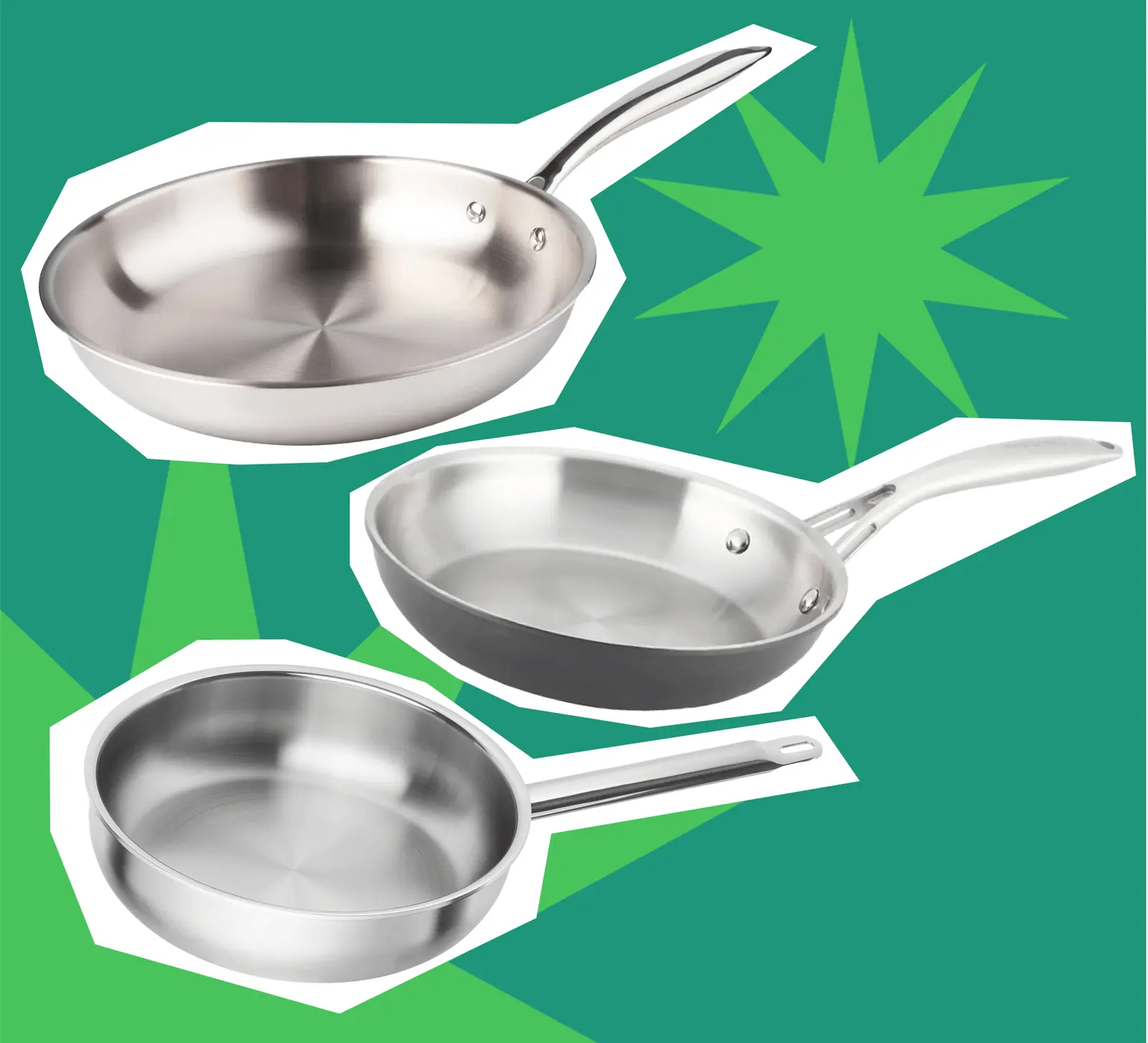 Best stainless-steel frying pans 2026: expert-tested picks for searing, eggs and daily cooking
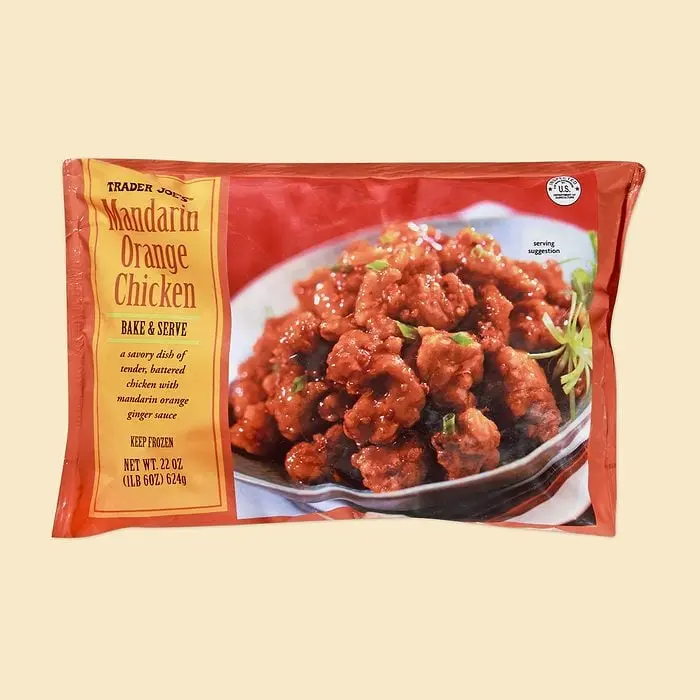 Trader Joe’s First‑Time Shopper Guide: Must‑Try Items
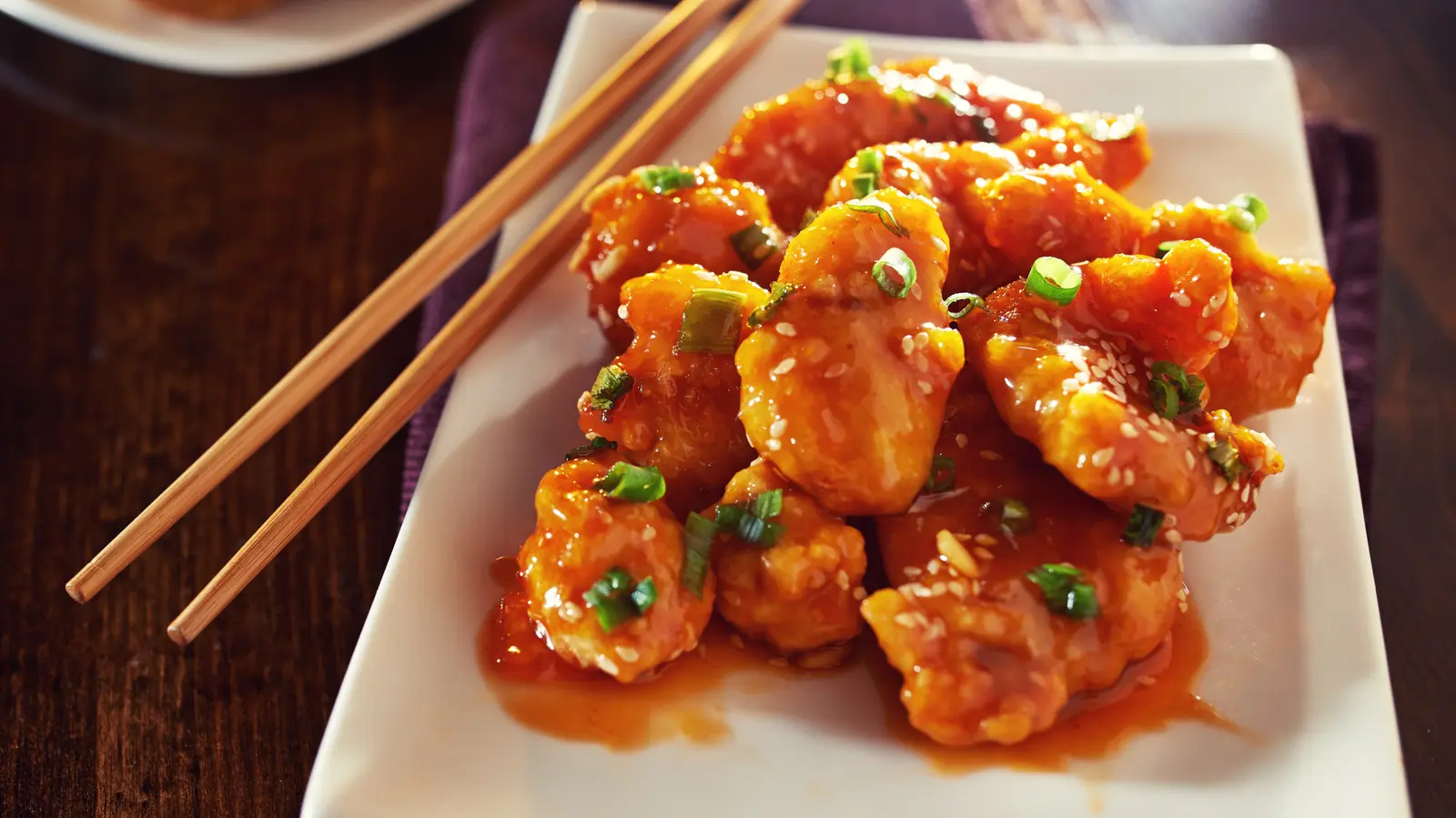 Panda Express vs P.F. Chang's: Which Orange Chicken Is Healthier?
The review examined pita loaves from four major manufacturers, measuring how well each held up in sandwiches, dips, and baking applications. Testers toasted, filled, and even baked the breads to gauge durability and taste. The standout brand delivered a crisp exterior, a soft, airy interior, and a subtle, wheaty flavor that set it apart from the competition.
Which Brand Took the Top Spot, and What Set It Apart?
Plain white bread is a kitchen staple, but it lacks the pocket‑friendly structure and nuanced taste of a good pita. The panel noted that pita’s thin walls and natural pocket make it ideal for stuffing with proteins, vegetables, or spreads without falling apart. Moreover, the slight chew and mild sweetness of quality pita enhance the overall eating experience, especially in Mediterranean‑style dishes. The winning brand achieved a balance of firmness and fluffiness, allowing it to stay intact when filled, yet remain tender after reheating.
The champion was Brand A, a widely distributed pita that has recently reformulated its recipe to include a higher protein flour blend. Testers praised its consistent thickness, even browning, and the way the pocket formed naturally during baking. In blind taste tests, Brand A scored an average of 9.2 out of 10, edging out Brand B (8.1), Brand C (7.4), and Brand D (6.9). The panel highlighted that Brand A’s dough retained moisture better, preventing the bread from drying out after a few days in the pantry.
What Does This Ranking Mean for Home Cooks and Retailers?
For consumers, the ranking offers a quick guide to choosing a pita that will perform reliably in everyday meals, from gyro wraps to hummus scoops. Retailers may see a shift in shelf space as shoppers gravitate toward the top‑rated brand, potentially prompting other manufacturers to tweak recipes or improve packaging to stay competitive. The study also suggests that the market rewards brands that prioritize texture and freshness, traits that can be measured and marketed more transparently.
How were the pita breads tested? Each brand was toasted, warmed, and used in three standard recipes—falafel wrap, chicken shawarma, and baked pizza base—to assess structural integrity and flavor.
Frequently Asked Questions
Did the panel consider nutritional content? While nutrition labels were recorded, the primary focus was on sensory performance; however, the winning brand also offered a modest increase in protein per serving.
Can the results be applied to gluten‑free or specialty pitas? The study only covered conventional wheat‑based pitas, so gluten‑free variants may perform differently and were not included in the ranking.
Content written by [email protected] (Samantha Maxwell) for fancy-meals.com editorial team, AI-assisted.