To Give Baked Goods Better Flavor, Swap In Some Of This Nutty Flavor
Why Almond Flour Works Better Than Extracts
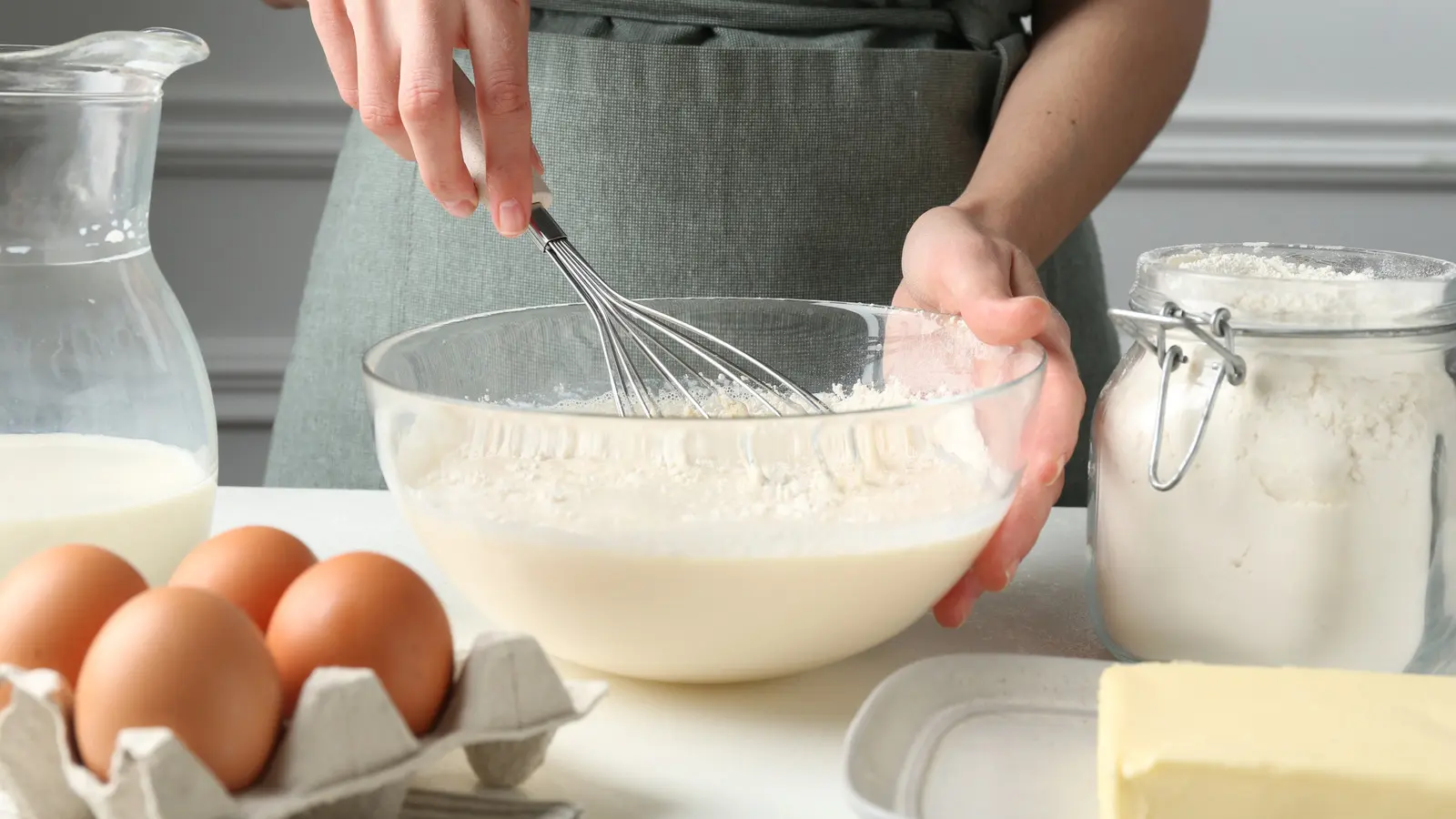
Baking enthusiasts seeking richer taste in their treats are turning to a simple ingredient swap: replacing part of the regular flour with almond flour. This adjustment, gaining popularity in home kitchens since late 2026, enhances both flavor and texture without complicating recipes. Jenna Rapsis highlighted the method in a recent Chowhound feature, noting how easily it integrates into everyday baking routines.
Latest news
 The Ultimate Homemade Chili Recipe for Cold Weather
 The Nutritional Power of Pumpkin Beyond Seasonal Desserts
 A Culinary Journey Through the 30th Epcot International Food and Wine Festival
 Burger King Unleashes Hello Kitty Kids' Meal with Ultra-Rare Golden Collectible
Almond flour brings a naturally sweet, nutty profile that complements everything from cookies to muffins. Unlike traditional wheat flour, it adds moisture and tenderness while reducing the need for extra fats or sugars. Bakers report that substituting just a quarter of the flour with almond flour noticeably improves depth of flavor, particularly in recipes where nuts or spices are already present. The change also appeals to those avoiding gluten, offering a seamless alternative that doesn’t compromise on taste.
How Much Should You Really Use?
While vanilla or almond extracts provide flavor, they can evaporate during baking or leave an artificial aftertaste. Almond flour, by contrast, distributes flavor evenly throughout the batter and contributes to structure. Its fat content helps carry other flavors, making chocolate taste richer and fruit fillings more vibrant. Professional test kitchens have found that baked goods made with almond flour retain freshness longer due to its oil content, slowing staleness compared to all-purpose versions.
Experts recommend starting with a 25% substitution—replacing one-fourth of the wheat flour with almond flour—to avoid altering texture too drastically. For delicate cakes, even less may be needed, while heartier breads or cookies can handle up to half. Overuse can lead to denser results, so balancing with a bit more leavening agent sometimes helps. The key is experimentation within familiar recipes to find the ideal ratio for each treat.
Does almond flour change the color of baked goods? Yes, it can lend a slightly golden or tan hue, especially in lighter batters like vanilla cake or sugar cookies, due to its natural pigmentation.
Frequently Asked Questions
Is almond flour more expensive than regular flour? Generally, yes—almond flour costs more per pound, but because it’s used in smaller amounts alongside other flours, the overall recipe cost increase is often minimal.
Can people with nut allergies use this substitute? No, almond flour is not safe for those with tree nut allergies; alternatives like oat or sunflower seed flour should be considered instead.
Content written by [email protected] (Jenna Rapsis) for fancy-meals.com editorial team, AI-assisted.