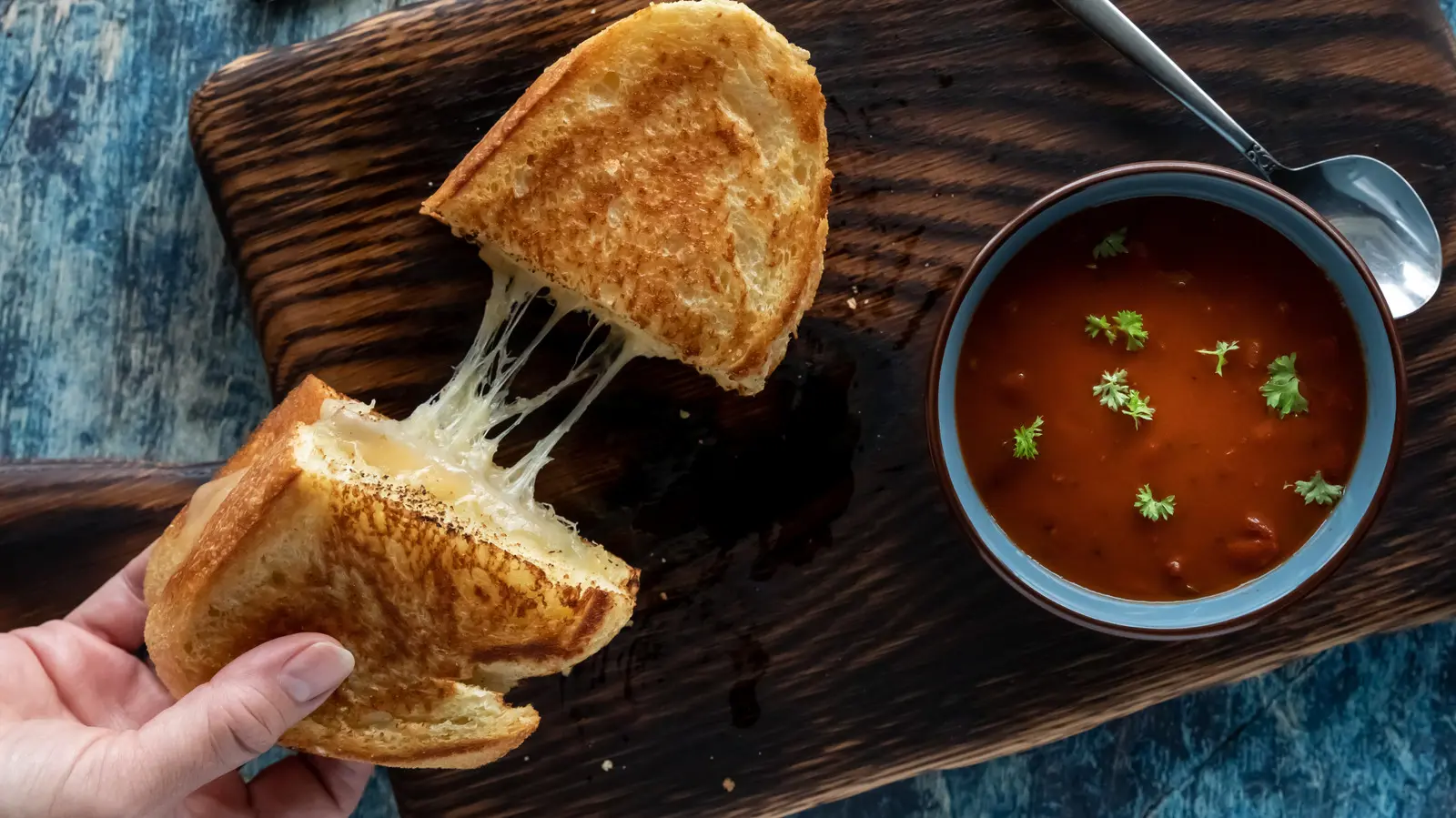
The Ultimate Grilled Cheese Hack: Crisp Bread Meets Melty Cheese
Why the Double‑Sauté Works
A new technique promises diners the perfect grilled cheese—crisp on the outside, gooey inside—using a simple ingredient swap and a few kitchen tweaks. Food enthusiasts and home cooks alike are eager to try the method, which has already sparked buzz on social media and cooking forums.
Latest news
 The Ultimate Homemade Chili Recipe for Cold Weather
 The Nutritional Power of Pumpkin Beyond Seasonal Desserts
 A Culinary Journey Through the 30th Epcot International Food and Wine Festival
 Burger King Unleashes Hello Kitty Kids' Meal with Ultra-Rare Golden Collectible
The trick begins with the choice of bread. Instead of standard white or whole‑wheat slices, the recipe calls for a sturdy crusty loaf, such as a sourdough or a baguette. The denser crumb allows the bread to hold the cheese without becoming soggy, while the thicker slices create a satisfying crunch. After slicing, each piece is lightly brushed with melted butter or clarified butter, ensuring an even, golden sear.
Next, the cheese. A blend of sharp cheddar and a creamy cheese—like fontina or Gruyère—provides both flavor and melt. The cheddar adds sharpness, while the creamier cheese keeps the interior soft. The cheeses are layered between the buttered bread, then the sandwich is pressed in a hot skillet. The key is to use medium heat and to cover the pan for a brief period, allowing the cheese to melt without burning the bread.
The secret to achieving the deep crisp is the „double‑sauté” method. After the initial sear, the sandwich is flipped and cooked for an additional minute or two. Then, the pan is covered and left for a short time to let the cheese melt fully. Finally, the cover is removed, and the sandwich is finished on a high heat for a minute, creating a golden, crunchy exterior. The result is a sandwich that looks and tastes like a gourmet creation, yet can be made in a few minutes at home.
Can You Use Any Cheese?
The double‑sauté technique balances moisture and heat. The first sear locks in the bread’s structure, preventing it from becoming soggy when the cheese melts. Covering the pan after flipping traps steam, which helps the cheese reach a perfect, gooey consistency. Removing the cover at the end allows the surface to crisp up without overcooking the interior. Experts say this method mimics the way professional diners prepare their sandwiches, using a combination of butter, heat, and timing.
Cheese choice is flexible, but not all varieties perform equally. Hard cheeses like aged cheddar melt slowly and may not achieve the desired gooeyness. Softer cheeses such as mozzarella or provolone melt quickly but can make the sandwich too wet. The recommended blend—sharp cheddar for flavor and a creamy cheese for melt—strikes the right balance. Some chefs suggest adding a touch of butter to the cheese itself for extra richness. The technique also adapts to dietary restrictions; dairy‑free cheeses can be used, though the texture may differ slightly.
The method has already been tested by food bloggers and home cooks, who report consistent results. One reviewer noted that the sandwich’s crust was „crisp enough to crackle” while the interior remained „molten and aromatic.” Another praised the simplicity: „Just butter, cheese, and a skillet—no fancy equipment required.”
Frequently Asked Questions
The technique’s popularity is growing, with many sharing variations that include herbs, spices, or different bread types. Some have experimented with adding a thin layer of pesto or tomato spread before the cheese, creating new flavor profiles while maintaining the signature texture.
What type of bread gives the best crunch? A sturdy crusty loaf such as sourdough or baguette works best. Thicker slices hold the cheese and develop a satisfying crunch.
How long should I cook each side? Sear for 2–3 minutes per side, then cover for 1–2 minutes to melt the cheese, and finish with a brief high‑heat sear to crisp the exterior.
Can I use a non‑stove heat source? Yes, a grill or a panini press can produce similar results if you keep the heat moderate and cover the sandwich after flipping.
Content written by [email protected] (Jennifer M. McNeill) for fancy-meals.com editorial team, AI-assisted.