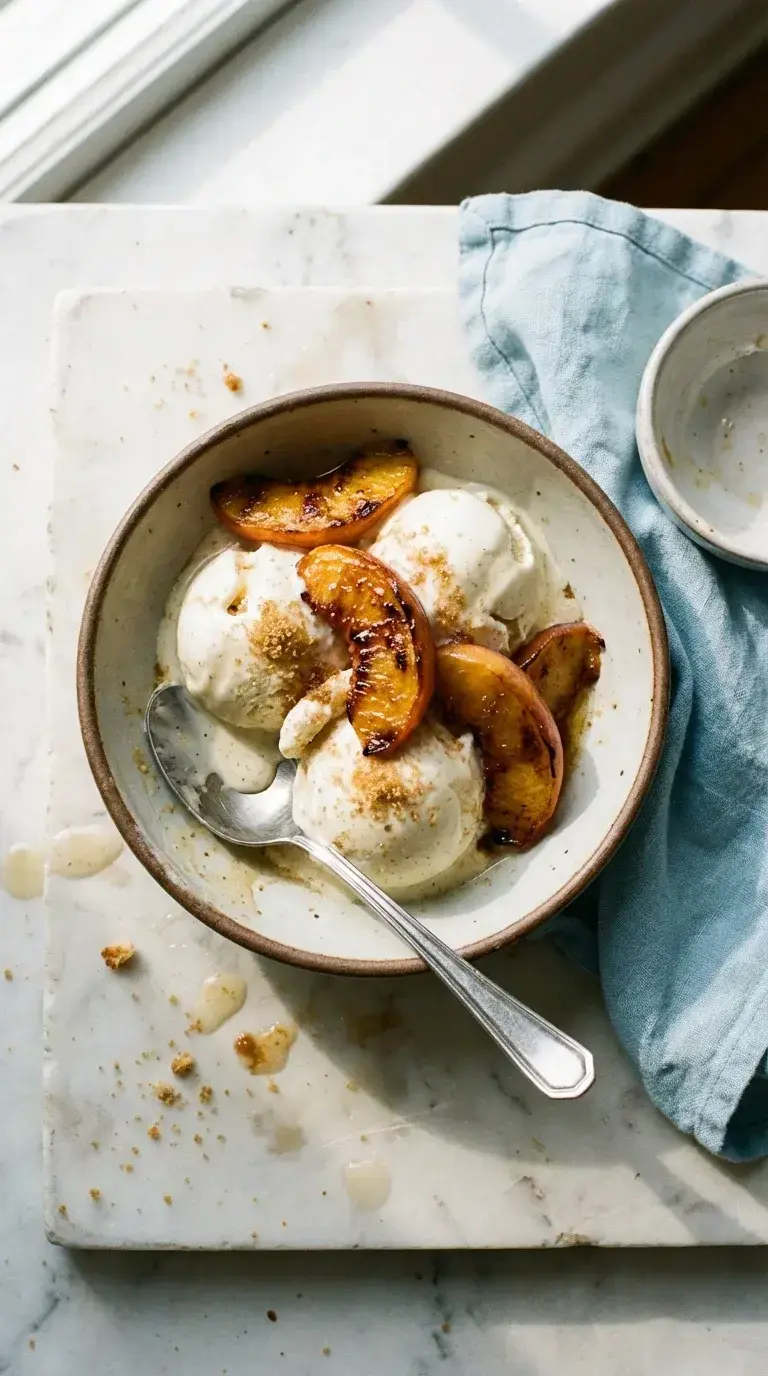
The Sweet Science of Homemade Ice Cream
Churning vs. No-Churn: A Delicious Divide
Making ice cream at home has become a popular culinary pursuit. Enthusiasts are exploring various methods to create delicious frozen treats. The process can be simpler than many imagine, offering rich, creamy results.
Latest news
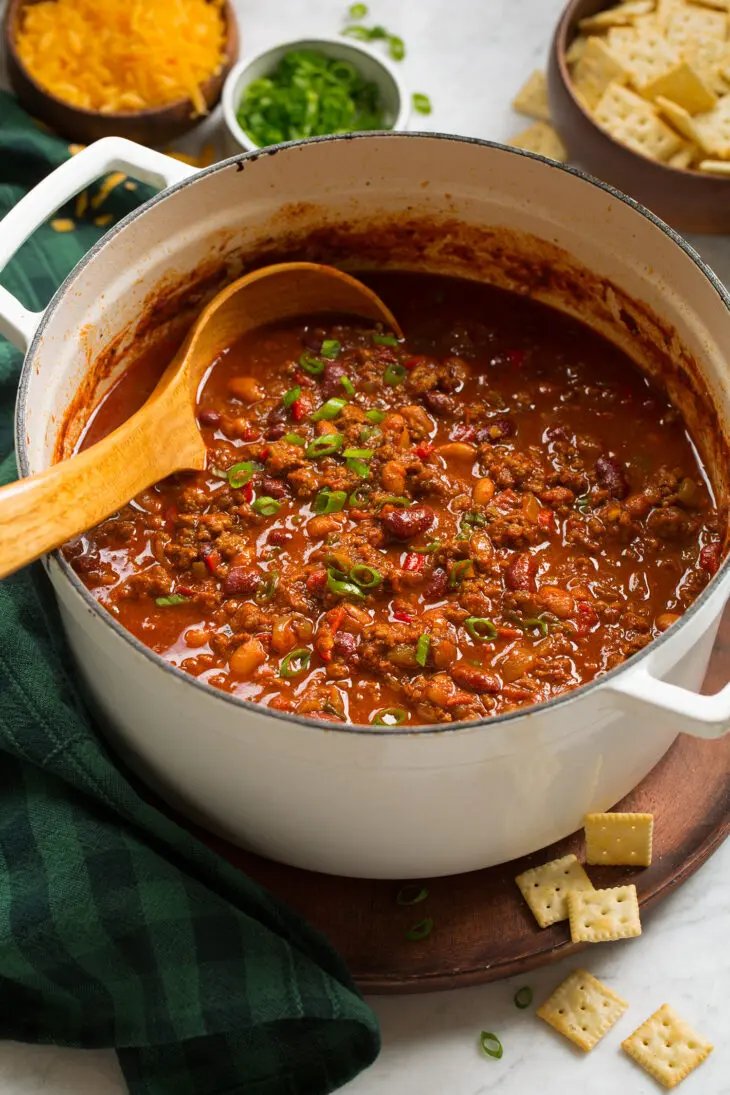 The Ultimate Homemade Chili Recipe for Cold Weather
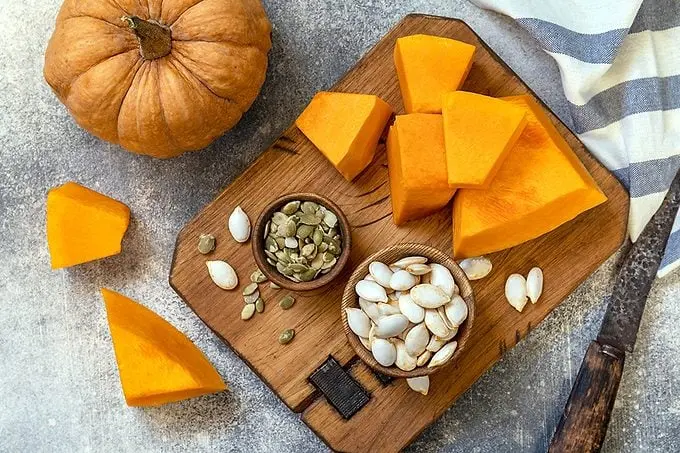 The Nutritional Power of Pumpkin Beyond Seasonal Desserts
 A Culinary Journey Through the 30th Epcot International Food and Wine Festival
 Burger King Unleashes Hello Kitty Kids' Meal with Ultra-Rare Golden Collectible
Home ice cream production generally falls into two main categories. These are recipes requiring churning and those that do not. Both approaches can yield excellent homemade desserts.
What Makes No-Churn Ice Cream So Good?
Traditional ice cream often involves a churning machine. These devices slowly freeze the mixture while incorporating air. This action prevents large ice crystals from forming. The result is a smooth and creamy texture. Many classic custard-based recipes benefit from this method. They often start with a cooked base of eggs, sugar, and milk or cream.
However, the no-churn method has gained significant popularity. This technique bypasses the need for special equipment. It typically involves whisking sweetened condensed milk with whipped cream. This combination creates a rich, stable base. The mixture is then frozen without any further agitation. This simpler approach has evolved considerably. It no longer represents a compromise in taste or texture.
# Can I make ice cream without eggs?
The success of no-churn ice cream lies in its ingredients. Sweetened condensed milk provides both sweetness and a thick consistency. Its high sugar content helps lower the freezing point. This contributes to a softer, more scoopable ice cream. Whipped cream adds air and richness. When combined, these elements mimic the texture achieved through churning.
This method is ideal for those without an ice cream maker. It also appeals to cooks seeking a quicker preparation time. Many variations exist, allowing for diverse flavor profiles. From fruit purees to chocolate chips, additions can be easily incorporated. The simplicity makes it accessible to all skill levels.
# How long does homemade ice cream last in the freezer?
Homemade ice cream offers a customizable dessert experience. Both churning and no-churn methods provide satisfying results. The choice often depends on available equipment and desired effort.
Yes, many recipes, especially no-churn varieties, do not require eggs. These often rely on heavy cream and condensed milk for richness.
# What is the key to preventing icy ice cream?
Homemade ice cream is best enjoyed within one to two weeks. After that, its texture and flavor may begin to degrade.
Proper fat content and minimal water are crucial. For no-churn, the condensed milk and whipped cream help prevent ice crystals.
Content written by Victoria Lane for fancy-meals.com editorial team, AI-assisted.