The Secret Behind Authentic Home-Style Filipino Chicken Adobo
Balancing Sweetness and Tang in Traditional Cooking
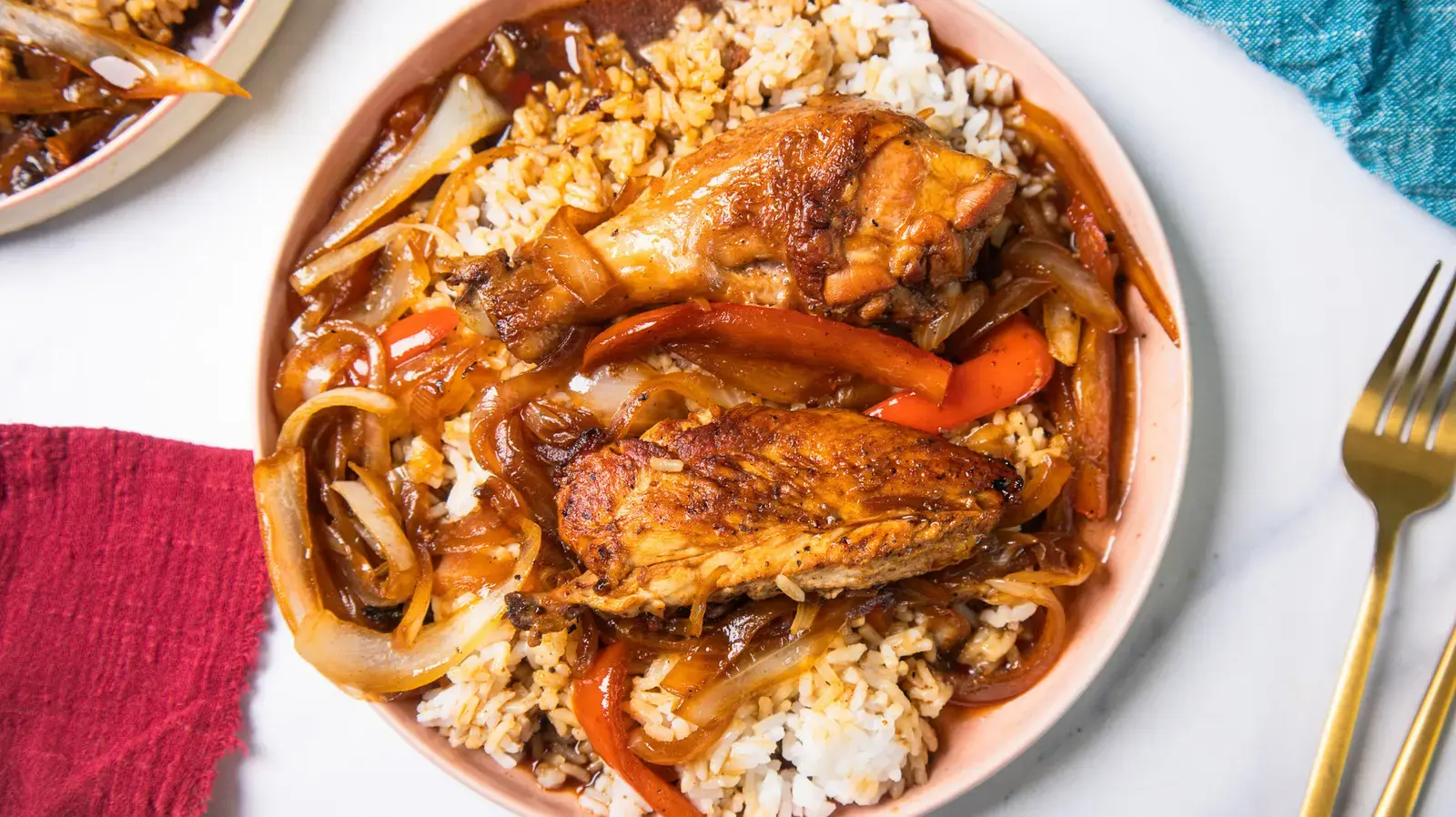
A new recipe guide highlights the complexities of homestyle Filipino chicken adobo, a staple comfort food in the Philippines. Published in August 2026, the article emphasizes that this dish defies simple categorization. It is not merely a stew or a stir-fry, but a distinct culinary experience. The flavor profile balances sweet and sour notes perfectly. This specific combination creates a lingering tang that remains on the palate long after eating.
Latest news
 The Ultimate Homemade Chili Recipe for Cold Weather
 The Nutritional Power of Pumpkin Beyond Seasonal Desserts
 A Culinary Journey Through the 30th Epcot International Food and Wine Festival
 Burger King Unleashes Hello Kitty Kids' Meal with Ultra-Rare Golden Collectible
The preparation involves braising chicken in a carefully crafted sauce. This method ensures the meat becomes tender while absorbing deep, complex flavors. The result is a satisfying meal that resonates with many home cooks. The recipe aims to replicate the authentic taste found in family kitchens across the archipelago. It serves as a reliable guide for those seeking genuine results without professional training.
Why This Dish Defies Simple Description
The core challenge of adobo lies in achieving equilibrium between acidity and sweetness. Vinegar provides the necessary sharpness, cutting through the richness of the braised poultry. Sugar or similar agents counteract this acidity, creating a harmonious profile. This balance is crucial for the dish’s identity. Without it, the meal risks becoming overly sour or cloyingly sweet. The recipe stresses patience during the braising process. Low heat allows the flavors to meld gradually. This slow development prevents harshness and promotes depth. The final product should feel rounded rather than aggressive.
Many diners struggle to articulate the exact sensation of tasting adobo. The complexity arises from the interplay of multiple ingredients. Garlic, soy sauce, vinegar, and bay leaves all contribute distinct layers. These elements do not compete but instead support one another. The aroma alone signals the dish’s arrival. The visual appeal of the glossy, dark sauce adds to its allure. This sensory richness makes the dish memorable. It stands apart from other braised meats due to its unique seasoning logic. The recipe notes that understanding this balance is key to success.
Frequently Asked Questions
What are the primary flavor components in chicken adobo? The dish relies on a mix of vinegar, soy sauce, garlic, and sugar. These ingredients create a signature sweet and sour profile. This balance distinguishes it from other braised dishes.
How does the cooking method affect the texture? Braising over low heat keeps the chicken tender and juicy. This slow process allows the sauce to reduce and thicken naturally. It ensures the meat absorbs maximum flavor without drying out.
Content written by Henry Cross for fancy-meals.com editorial team, AI-assisted.