The Royal Origin of the Salt and Pepper Pairing
A Monarch’s Taste That Shaped Global Cuisine
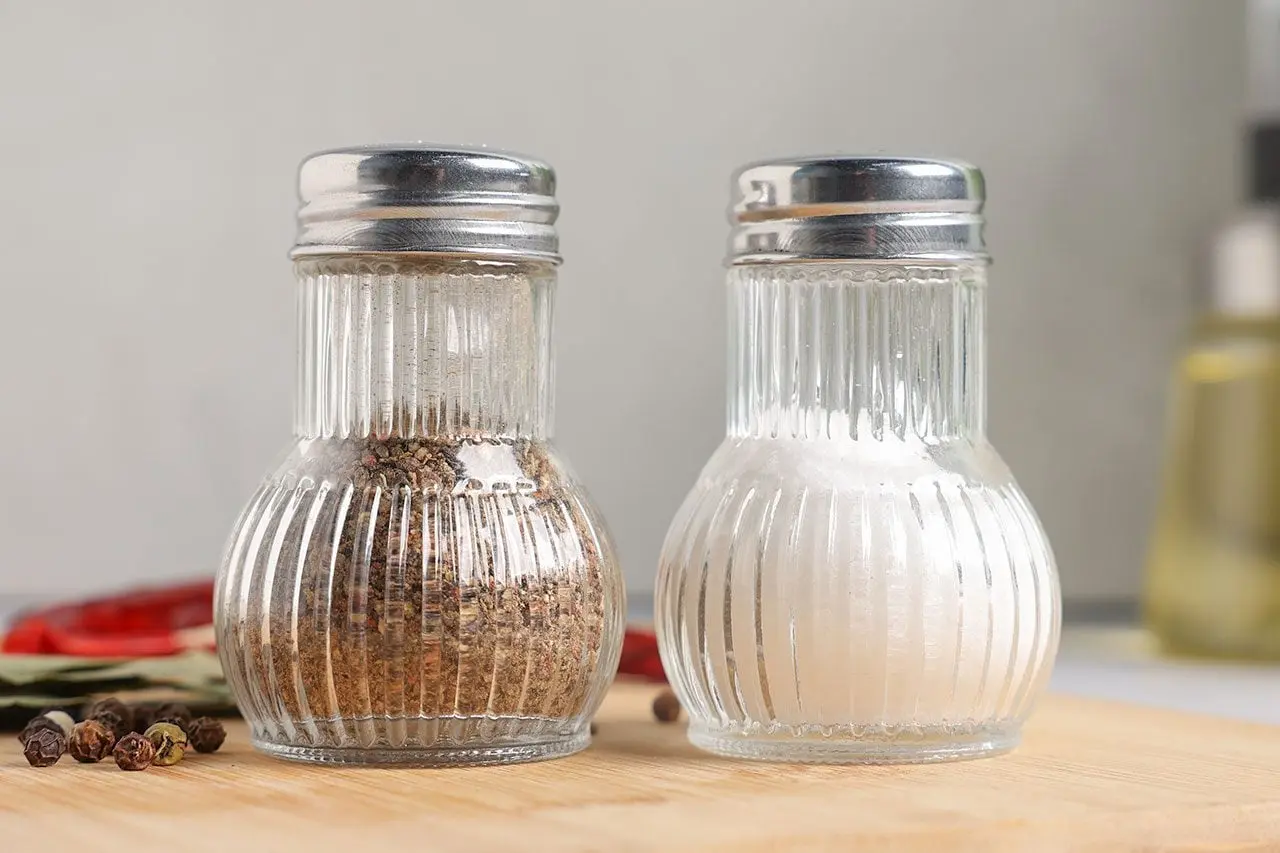
The ubiquitous pairing of salt and pepper on dining tables traces back to medieval France. This culinary tradition did not emerge naturally but was likely cemented by royal decree. For centuries, this combination has become so ingrained in Western culture that it appears in every recipe book and kitchen shelf. The duo is now sold in matching sets and presented side by side without question.
Latest news
 Anthony Bourdain’s Most Unforgettable Meals on „No Reservations”
 Mastering the Art of Perfect Pie Baking
 Chocolate Peppermint Whoopie Pies: Holiday Treats Made Easy With Boxed Mix
 Ree Drummond Shares 10 Tips for the Perfect Thanksgiving Turkey
Historians believe King Charles IV of France initiated this specific pairing during the fourteenth century. Pepper was an extremely rare and expensive spice imported from the East Indies at the time. It served as a luxury item that signaled wealth and status. Salt, while abundant, was essential for preserving food. By combining these two distinct elements, the French court created a standard seasoning protocol. This practice eventually spread across Europe, moving from royal banquets to common households. The association stuck because both ingredients enhanced flavor in complementary ways. Pepper added heat and complexity, while salt amplified savory notes. Over time, the pair became inseparable in culinary arts.
Why Does This Combination Persist Today?
The longevity of this pairing relies on deep cultural conditioning. Most people do not consciously choose to use both; they simply reach for them simultaneously. The visual symmetry of salt and pepper shakers reinforces the habit. Manufacturers capitalize on this expectation by producing coordinated designs. However, culinary experts note that other spices can replace pepper effectively. Rosemary, thyme, or even citrus zest can provide similar aromatic depth. Yet, the salt and pepper duo remains the default baseline for seasoning meats and vegetables. Its simplicity makes it accessible to home cooks worldwide. No other combination has achieved such universal recognition.
The Enduring Legacy of a Medieval Habit
This centuries-old habit continues to influence modern cooking habits. While chefs experiment with diverse spice blends, the classic pair remains a staple. Restaurants still place both containers at every table by default. The economic value of pepper has dropped significantly since the Middle Ages. It is no longer a luxury good but a commodity. Despite this shift, the symbolic link between the two ingredients persists. Future culinary trends may introduce new pairings, but the salt and pepper duo shows no signs of fading. It stands as a testament to how one royal preference can shape global traditions for hundreds of years.
Frequently Asked Questions
Did King Charles IV actually mandate the use of pepper with salt? Historical records suggest he popularized the combination rather than issuing a strict law. His court’s adoption of the practice set a trend that other nobles followed. This top-down approach helped establish the norm across France.
Is pepper truly necessary when using salt? Pepper is not strictly necessary for flavor balance, but it adds aromatic complexity. Many cuisines use different herbs or spices instead. The pairing is largely a cultural convention rather than a scientific requirement.