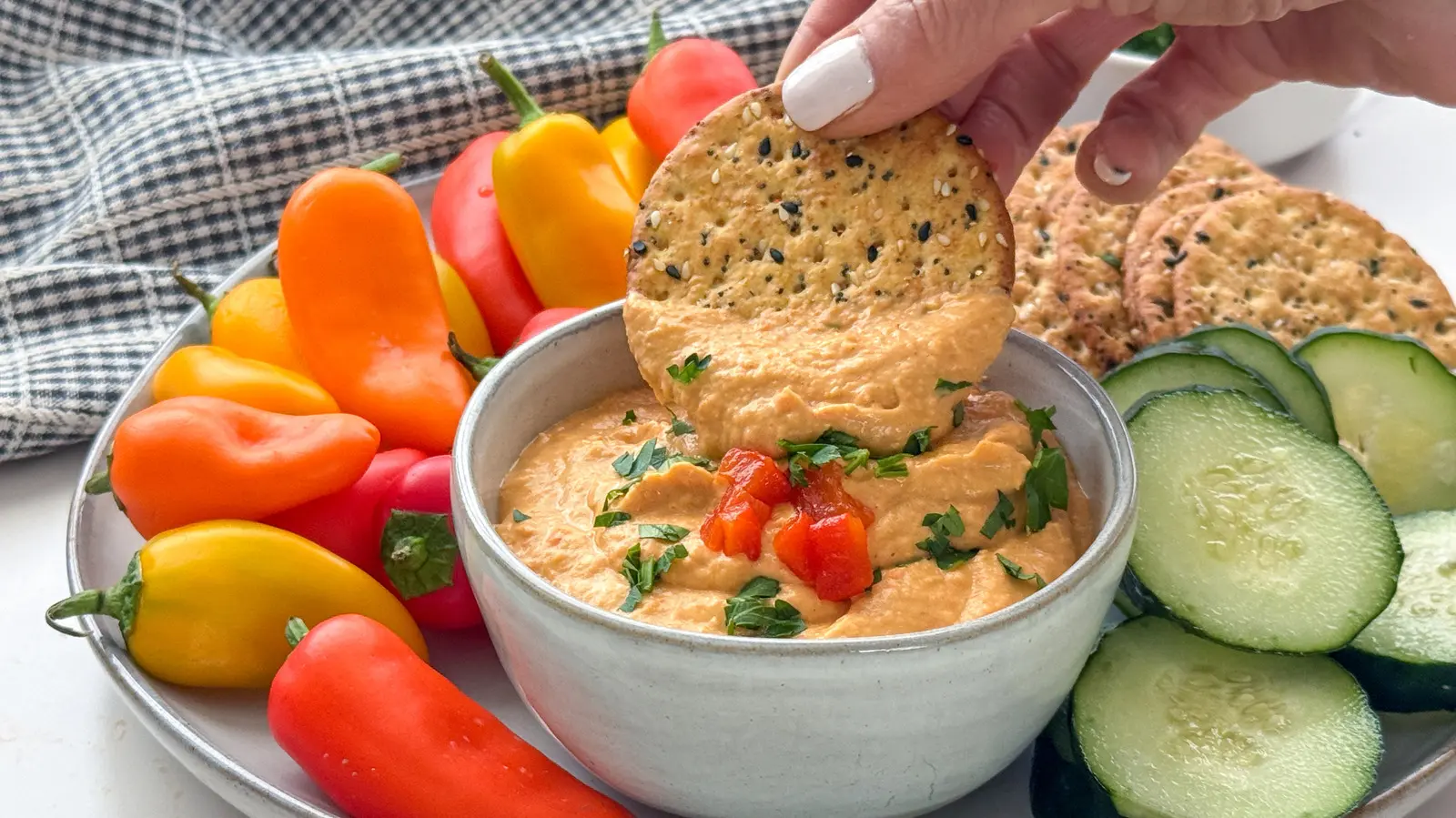
Spicy Roasted Red Pepper Hummus Recipe
Why Roast Your Own Peppers
A homemade hummus variation featuring roasted red peppers offers a smoky, spicy twist on the classic Middle Eastern dip, blending simple ingredients into a versatile spread perfect for snacks or meals. This recipe, shared by food creator Miriam Hahn in August 2026, builds on hummus’s growing popularity in American kitchens where it has become a staple due to its clean ingredients and adaptability.
Latest news
 The Ultimate Homemade Chili Recipe for Cold Weather
 The Nutritional Power of Pumpkin Beyond Seasonal Desserts
 A Culinary Journey Through the 30th Epcot International Food and Wine Festival
 Burger King Unleashes Hello Kitty Kids' Meal with Ultra-Rare Golden Collectible
The dish starts with chickpeas blended until silky smooth, then enhanced with scratch-roasted red peppers that bring both sweetness and depth. Garlic, tahini, lemon juice, and olive oil form the base, while spices like cumin and smoked paprika add warmth. Roasting the peppers at home intensifies their flavor compared to jarred versions, creating a richer, more complex taste that balances heat and sweetness.
Roasting fresh red peppers allows full control over the smokiness and texture, avoiding preservatives found in store-bought alternatives. The process involves charring the peppers over an open flame or under a broiler until the skin blackens, then steaming them in a covered bowl to loosen the skin before peeling. This step, though requiring extra time, significantly elevates the final dip’s aroma and body. Hahn notes that the homemade approach ensures no added sugars or sodium, aligning with hummus’s appeal as a clean-label food.
How Spicy Should Your Hummus Be?
The heat level depends on the type and amount of pepper used—options range from mild bell peppers to fiery varieties like jalapeños or serranos, adjusted to taste. Hahn suggests starting with one roasted pepper and a pinch of cayenne, then blending and tasting before adding more. For those sensitive to spice, removing seeds and membranes reduces heat while retaining flavor. The recipe remains flexible, letting home cooks tailor the kick to their preference without compromising the dip’s creamy consistency.
The result is a vibrant, nutrient-rich spread high in plant-based protein and fiber, suitable for dipping vegetables, spreading on sandwiches, or serving alongside grilled meats. Its popularity reflects a broader trend toward homemade, globally inspired condiments that prioritize flavor and simplicity. As more people seek alternatives to processed snacks, variations like this spicy red pepper hummus continue to gain traction in home cooking.
Frequently Asked Questions
Can I use canned roasted red peppers instead of fresh? Yes, but fresh-roasted peppers deliver superior flavor; if using canned, choose those packed in water without added salt or sugar and drain well.
How long does homemade hummus last in the refrigerator? Stored in an airtight container, it stays fresh for up to five days; a thin layer of olive oil on top helps prevent drying.
Is tahini necessary for this recipe? Tahini provides essential creaminess and authentic flavor, but for a nut-free version, sunflower seed butter can be substituted in equal amounts.
Content written by Victoria Lane for fancy-meals.com editorial team, AI-assisted.