
Should You Use a Stand Mixer for Cake Batter?
When Does a Stand Mixer Make Sense for Baking?
For home bakers tackling simple cake recipes, a stand mixer may not be essential equipment despite its popularity in many kitchens. While stand mixers offer convenience for frequent bakers handling large batches or complex doughs, those making occasional basic cakes can achieve good results with simpler tools. The decision depends on how often you bake and what types of recipes you typically prepare.
Latest news
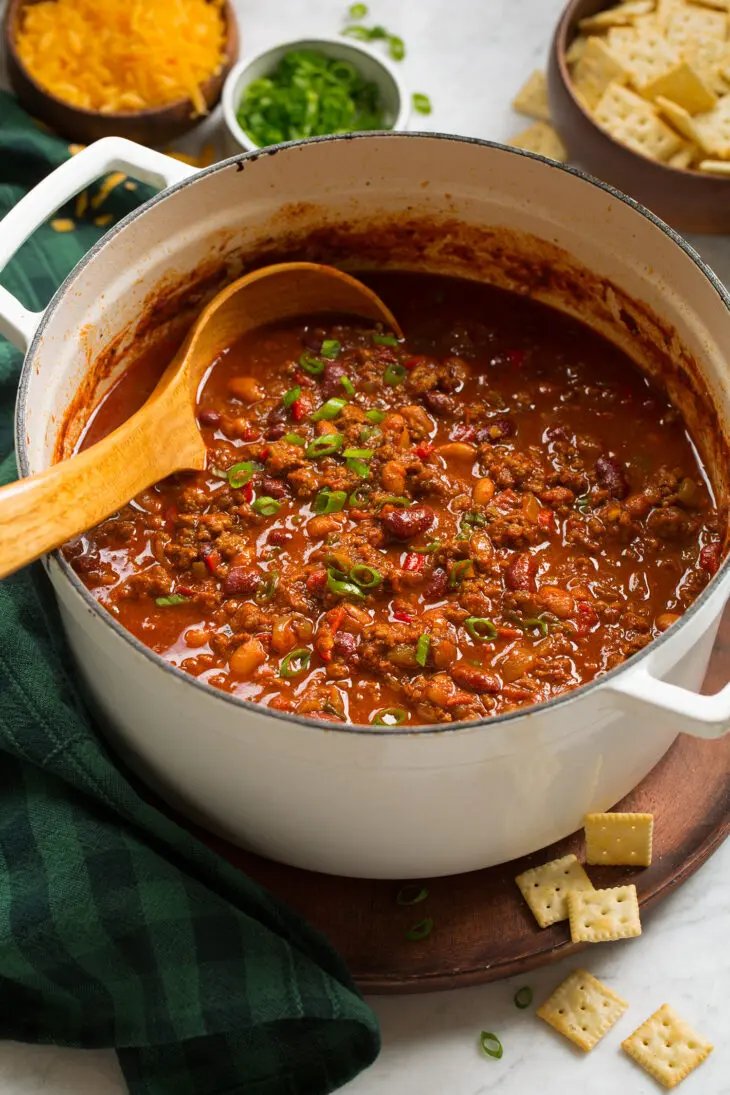 The Ultimate Homemade Chili Recipe for Cold Weather
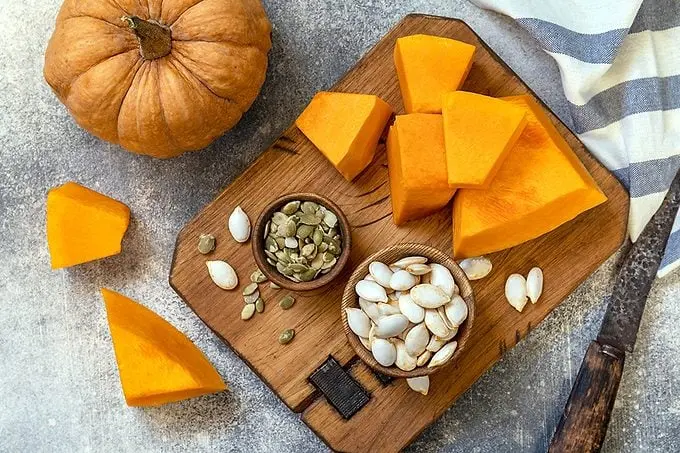 The Nutritional Power of Pumpkin Beyond Seasonal Desserts
 A Culinary Journey Through the 30th Epcot International Food and Wine Festival
 Burger King Unleashes Hello Kitty Kids' Meal with Ultra-Rare Golden Collectible
Stand mixers shine when dealing with stiff doughs like bread or cookie batter that require sustained mixing power. However, for most standard cake batters—which are typically thinner and need only brief, gentle mixing to avoid overdeveloping gluten—a handheld mixer or even manual whisking suffices. Overmixing cake batter in a stand mixer can actually lead to tough, dense results due to excessive gluten formation, making less powerful tools preferable for delicate textures.
What Risks Come With Using a Stand Mixer for Cake?
Frequent bakers who regularly prepare large quantities, experiment with varied recipes, or work with stiff mixtures benefit most from stand mixer ownership. The hands-free operation allows multitasking during lengthy mixing processes, and attachments expand functionality beyond mixing to tasks like pasta rolling or meat grinding. For someone baking several times weekly, the time savings and consistency justify the investment.
Using excessive speed or duration with a stand mixer risks overmixing cake batter, which develops gluten and creates a chewy rather than tender crumb. Bakers should use the lowest speed setting and stop mixing as soon as ingredients combine—often just 20 to 30 seconds for most recipes. Experienced bakers recommend scraping the bowl frequently and finishing with a few manual strokes to ensure even mixing without overworking the batter.
Can I overmix cake batter in a stand mixer? Yes, stand mixers can easily overmix delicate batters if left running too long or at high speed, leading to tough cakes due to gluten development.
Frequently Asked Questions
Is a hand mixer sufficient for most cake recipes? For standard cakes, a hand mixer provides adequate power and better control over mixing time, reducing overmixing risks compared to stand mixers.
Do professional bakers always use stand mixers for cakes? Many professionals use stand mixers for efficiency in high-volume settings, but some prefer hand mixing for small batches or specific textures to maintain precise control.
Content written by Lucas Carter for fancy-meals.com editorial team, AI-assisted.