
September Seasonal Menu Bridges Summer and Autumn Flavors
Balancing Sweet Corn and Early Squash
September marks a distinct culinary transition period. Five specific recipes capture this shift. They move from late-summer produce to early-autumn ingredients. The menu highlights sweet corn alongside fresh herbs. It also features pears, squash, and mushrooms. This collection serves as a bridge between two seasons. It allows home cooks to enjoy the best of both worlds during this transitional month.
Latest news
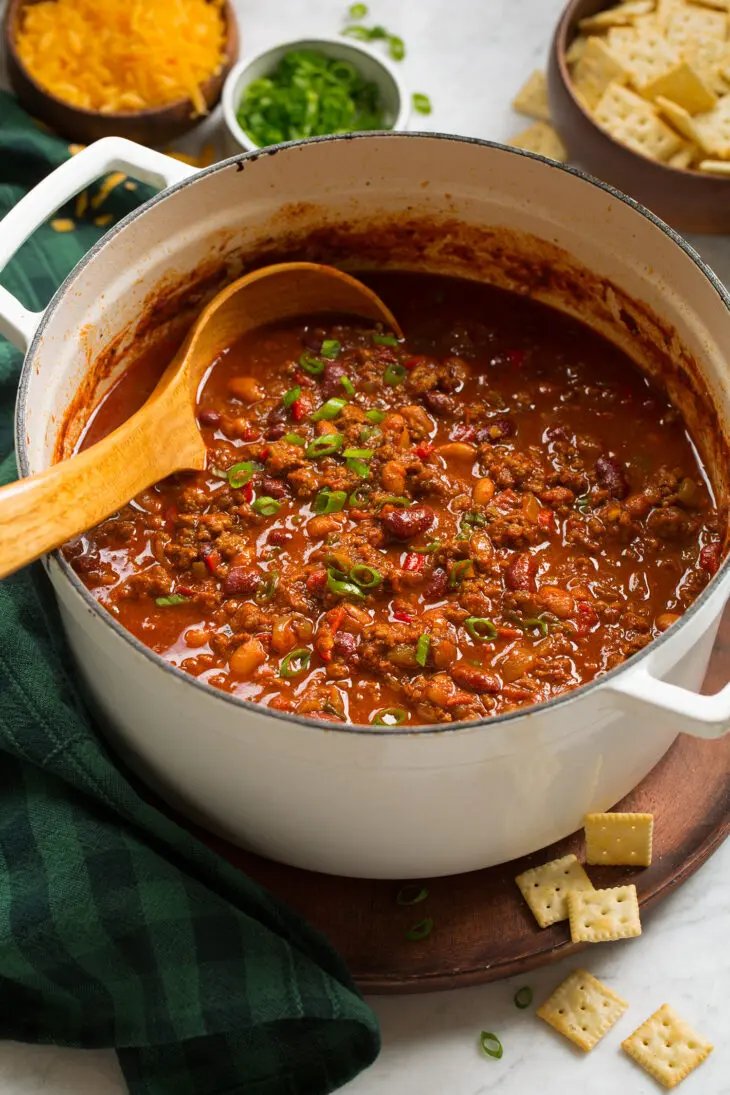 The Ultimate Homemade Chili Recipe for Cold Weather
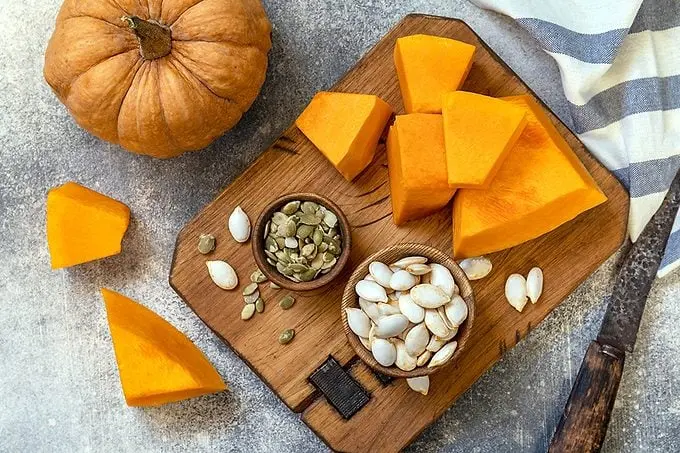 The Nutritional Power of Pumpkin Beyond Seasonal Desserts
 A Culinary Journey Through the 30th Epcot International Food and Wine Festival
 Burger King Unleashes Hello Kitty Kids' Meal with Ultra-Rare Golden Collectible
The changing weather influences ingredient availability significantly. Cooler mornings and earlier sunsets define the current atmosphere. However, local markets remain remarkably abundant. Shoppers can still find vibrant sweet corn and aromatic herbs. Yet, the shelves are slowly filling with new arrivals. Pears begin to appear in greater quantities. Various types of squash join the produce sections. The first seasonal mushrooms also start arriving. This overlap creates a unique window for cooking. Chefs and home cooks have access to a diverse range of flavors. The transition is gradual rather than abrupt. This allows for creative experimentation in the kitchen.
The core of this seasonal plan relies on contrast. Sweet corn represents the final days of summer. Its sweetness is intense and fleeting. In contrast, squash signals the arrival of autumn. Its flavor profile is earthier and denser. Recipes designed for this month respect this duality. They do not force one season over the other. Instead, they blend elements from both. For example, a dish might pair roasted squash with fresh corn kernels. Herbs like basil or cilantro can bridge the gap. These green accents add brightness to heavier autumn vegetables. Mushrooms provide an umami depth that complements the sweetness of pears. This combination creates a balanced plate. It reflects the actual state of nature during September. The goal is to honor what is currently at its peak.
Why Does This Transition Matter for Home Cooking?
Understanding seasonal shifts improves meal planning. It reduces waste and enhances flavor. When ingredients are in season, they taste better. They are often less expensive as well. By focusing on September’s specific offerings, cooks avoid using out-of-season items. For instance, forcing winter root vegetables too early can result in bland dishes. Similarly, using summer greens when they are past their prime leads to bitterness. The five-recipe approach provides a structured guide. It helps users navigate this complex period. Each recipe targets a specific aspect of the transition. Some focus on preserving summer sweetness. Others emphasize embracing autumn heartiness. This methodical approach ensures consistent results. It builds confidence in seasonal cooking skills.
The outlook for the coming weeks involves continued adaptation. As October approaches, the summer elements will fade completely. Corn will disappear from most markets. Herbs will become harder to find fresh. Squash and pears will become the dominant produce. Mushrooms will continue to grow in variety and abundance. Home cooks should prepare for this shift now. Stocking up on dried herbs can help maintain summer flavors later. Learning to cook with squash early builds familiarity. This preparation makes the full arrival of winter smoother. The September menu acts as a rehearsal for colder months. It sets the stage for deeper, richer meals ahead.
Frequently Asked Questions
Which specific vegetables define the September transition? Sweet corn, fresh herbs, pears, squash, and mushrooms are the key ingredients. These items represent the overlap between late summer and early autumn.
How many recipes are included in this seasonal plan? The plan features exactly five recipes. Each one is designed to highlight different aspects of the seasonal shift.
Does this menu require rare ingredients? No, all listed ingredients are widely available in standard markets. They are chosen because they are currently at their peak freshness.
Content written by Henry Cross for fancy-meals.com editorial team, AI-assisted.