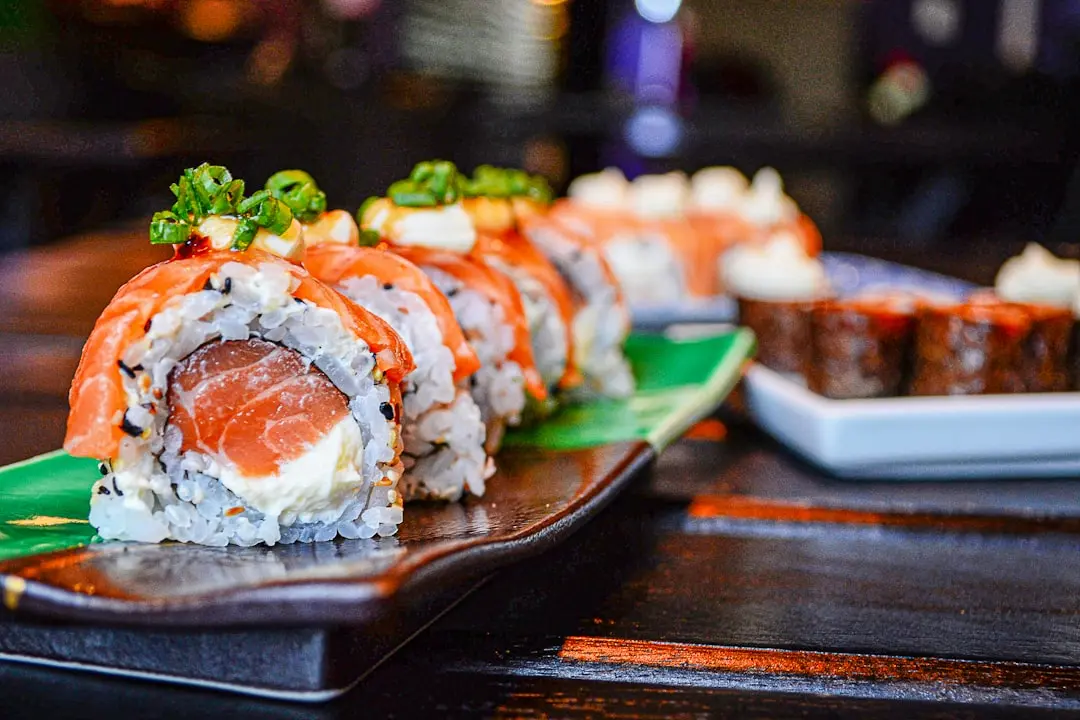
Quick Canned Tuna Sushi Satisfies Cravings Without Raw Fish
Why Canned Tuna Works for Sushi Rolls
A new recipe offers a fast solution for those seeking sushi flavors without handling raw ingredients. The dish utilizes canned tuna as the primary protein, eliminating the need for fresh fish. This approach makes the meal accessible for home cooks who prefer convenience over complex preparation. The entire process takes only twenty-five minutes from start to finish. It serves as an immediate fix for sudden cravings. No specialized equipment or advanced culinary skills are required to make this dish.
Latest news
 The Ultimate Homemade Chili Recipe for Cold Weather
 The Nutritional Power of Pumpkin Beyond Seasonal Desserts
 A Culinary Journey Through the 30th Epcot International Food and Wine Festival
 Burger King Unleashes Hello Kitty Kids' Meal with Ultra-Rare Golden Collectible
The recipe relies on standard pantry items rather than fresh market purchases. Canned tuna provides a consistent texture that holds together well when mixed with other ingredients. This stability is crucial for forming neat rolls that do not fall apart during slicing. The method appeals to individuals who hesitate to eat raw fish due to safety concerns or dietary preferences. By using cooked, preserved tuna, the dish maintains the classic sushi flavor profile while offering peace of mind regarding food safety. The simplicity of the base ingredient allows for quick assembly. Cooks can prepare the entire meal in under half an hour. This speed makes it ideal for busy weeknights or unexpected guests. The lack of raw components reduces cleanup time significantly.
Is This Recipe Suitable for Beginners?
Yes, the technique is designed for novice cooks. The steps involve simple mixing and rolling actions. No knife skills beyond basic slicing are necessary. The recipe has been tested and approved by professional kitchen standards. This validation ensures that the results are reliable even for first-time attempts. The process avoids common pitfalls associated with traditional sushi making. For instance, there is no need to season rice perfectly or handle delicate nori sheets with wet hands. The canned tuna acts as a sturdy center that supports the structure of the roll. This structural integrity helps beginners achieve professional-looking results. The ease of execution encourages more people to try homemade sushi at home.
The popularity of this simplified version highlights a growing trend toward accessible gourmet foods. Home cooks are increasingly looking for ways to enjoy restaurant-quality dishes without the hassle. Canned tuna sushi fits this demand perfectly. It bridges the gap between fast food and fine dining. As more people seek efficient meal solutions, recipes like this will likely gain further traction. The dish proves that high-quality taste does not require complex sourcing. Future variations might include different vegetables or sauces. However, the core concept remains unchanged. This recipe stands as a testament to the power of simple ingredients. It invites everyone to experiment with sushi in their own kitchens. The barrier to entry is now lower than ever before.
Do I need special rice for this recipe? Standard short-grain white rice works best for sushi. You should season it with vinegar and sugar to mimic traditional sushi rice. This step is essential for binding the roll together properly.
Frequently Asked Questions
Can I use other proteins instead of tuna? Yes, you can substitute other canned fish options. Salmon or sardines work well in this format. Ensure the alternative protein is fully cooked and drained before use.
How long does the finished sushi last? Consume the rolls within one day for optimal freshness. Store them in an airtight container in the refrigerator. The texture may degrade if kept longer than twenty-four hours.
Content written by Henry Cross for fancy-meals.com editorial team, AI-assisted.