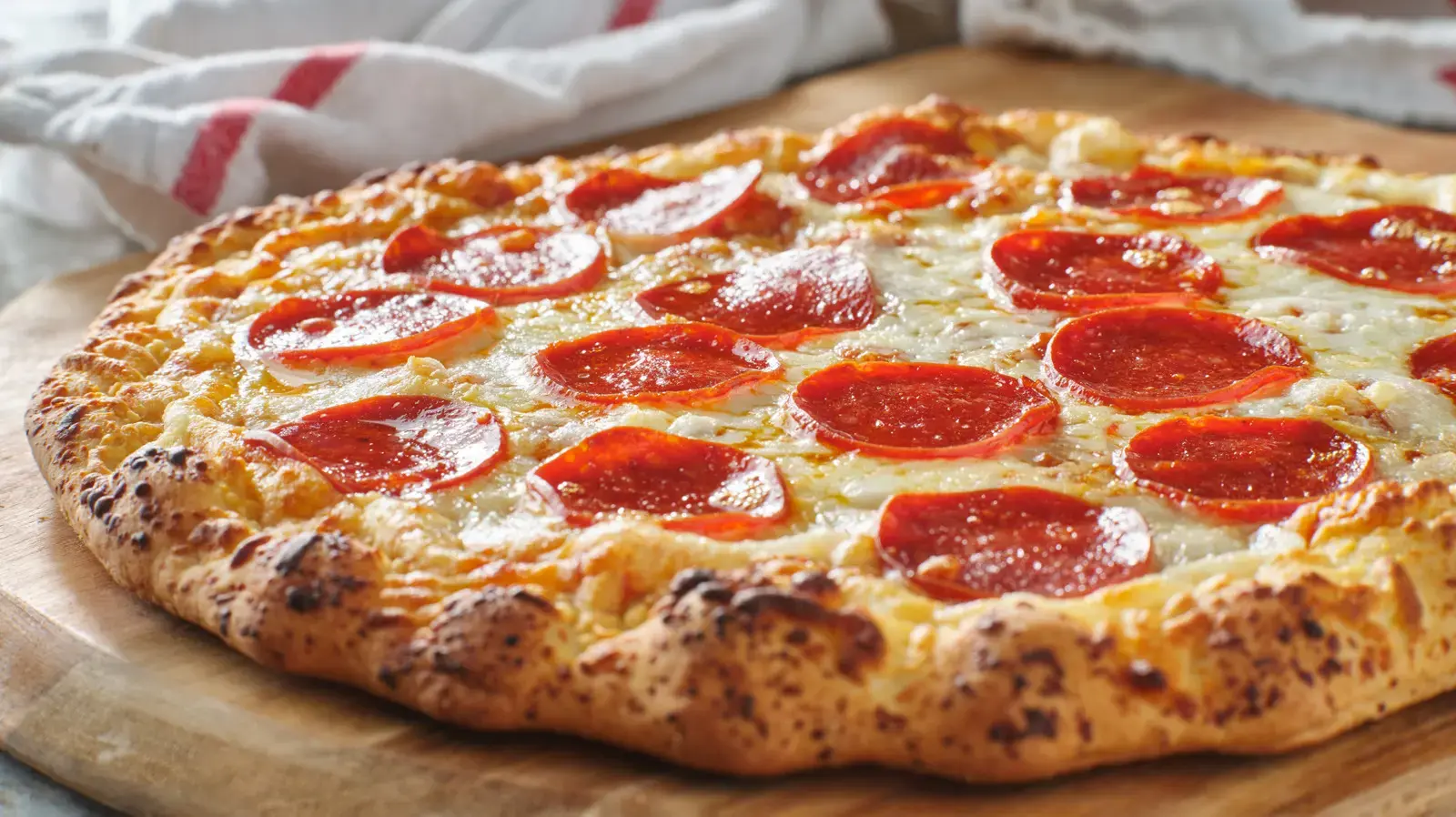
One of the Most Affordable Frozen Pizza Brands Began in a 1950s Italian Eatery
How a Neighborhood Spot Became a Freezer Aisle Staple
In the mid-20th century, a small family-run restaurant in New Jersey served classic Italian dishes to local patrons, laying the foundation for what would become one of today’s most budget-friendly frozen pizza brands. Founded in the 1950s, the establishment focused on simple, authentic recipes using fresh ingredients, gaining a loyal following for its homemade pies and pasta. Decades later, the recipes from that humble kitchen were adapted for mass production, eventually appearing in grocery store freezers nationwide as a low-cost option for consumers seeking convenience without sacrificing familiar taste.
Latest news
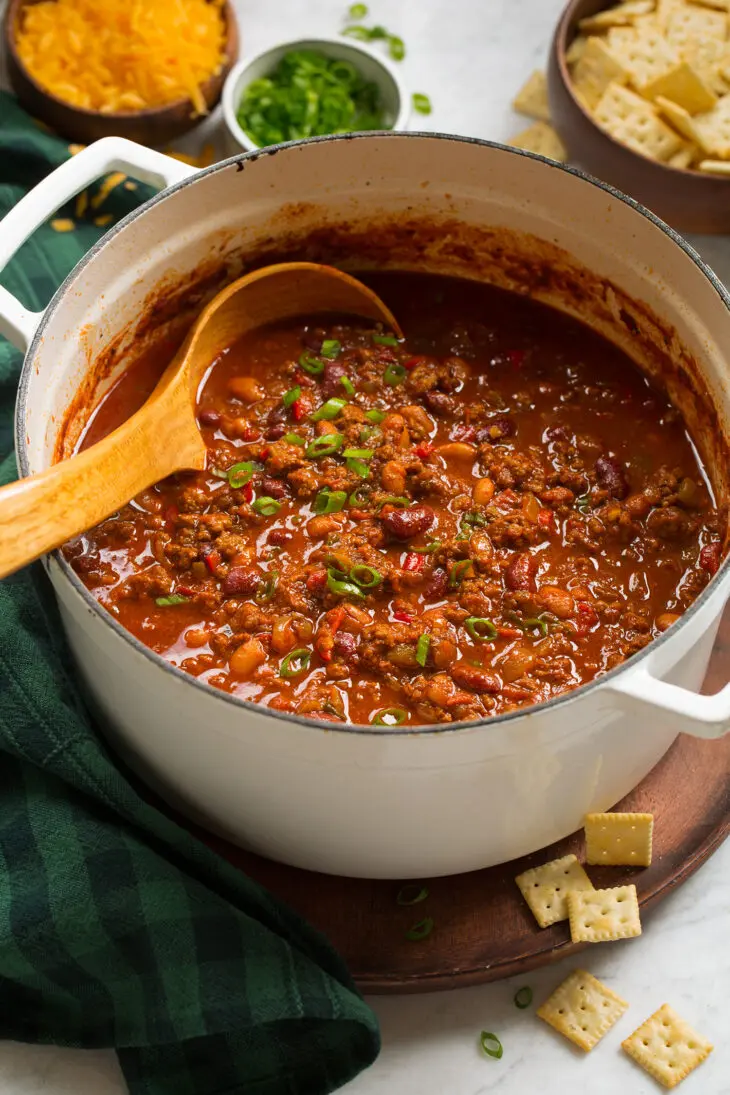 The Ultimate Homemade Chili Recipe for Cold Weather
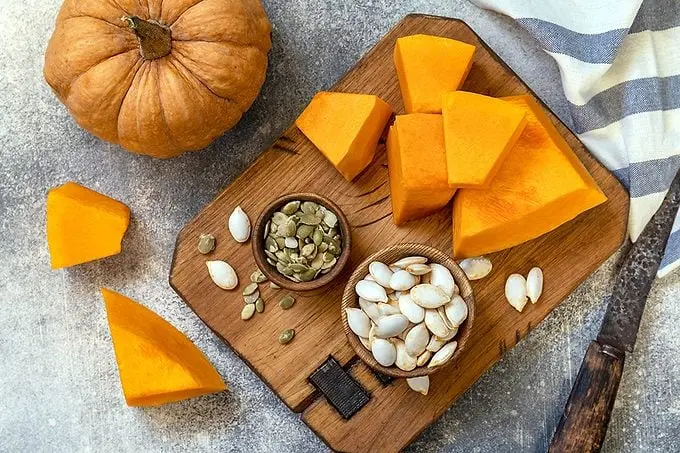 The Nutritional Power of Pumpkin Beyond Seasonal Desserts
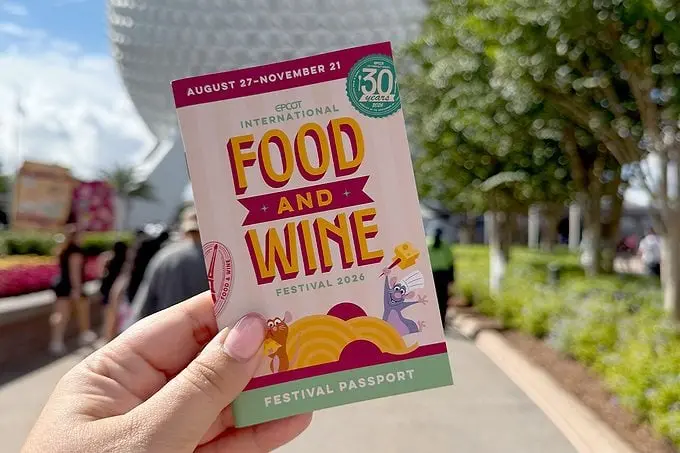 A Culinary Journey Through the 30th Epcot International Food and Wine Festival
 Burger King Unleashes Hello Kitty Kids' Meal with Ultra-Rare Golden Collectible
The transition from restaurant to frozen food line began when the founders sought to expand their reach beyond the dining room. By freezing their signature pizza crusts and sauce blends, they could ship products to supermarkets while preserving the flavor profile that made their restaurant popular. This strategy allowed the brand to compete on price, as large-scale production reduced costs significantly. Over time, the company streamlined its operations, focusing on efficiency and broad distribution, which helped maintain its position as one of the most economical choices in the frozen pizza aisle. Despite changes in ownership and manufacturing locations, the core recipe remains rooted in the original Italian-American style that started it all.
What Keeps This Pizza Brand Relevant Today?
The brand’s success stems from its ability to balance affordability with consistent quality. Unlike premium frozen pizzas that emphasize gourmet toppings or artisanal crusts, this brand prioritizes accessibility, offering basic varieties like cheese, pepperoni, and supreme at prices often below $2 per pie. Its widespread availability in major retail chains has made it a go-to for households looking to stretch their grocery budgets. Interviews with former employees note that the original restaurant’s emphasis on minimal waste and portion control influenced the frozen product’s design, contributing to its low price point. Today, the brand sells millions of units annually, proving that a decades-old restaurant concept can evolve into a national frozen food presence.
Despite shifting consumer trends toward healthier or specialty options, the brand maintains relevance by sticking to what it knows: simple, familiar flavors at a low cost. It has avoided major recipe overhauls, instead relying on brand recognition and shelf stability to drive sales. Retailers continue to stock it prominently due to its high turnover and strong performance in value-focused segments. While it may not dominate social media conversations like newer, trend-driven competitors, its steady performance in economic downturns highlights its resilience. Analysts suggest that as long as inflation pressures persist, demand for such affordable staples will remain steady, securing the brand’s place in freezers for the foreseeable future.
How did the restaurant’s location influence the brand’s early development? The New Jersey-based eatery served a working-class community that valued hearty, inexpensive meals, shaping the brand’s focus on affordability and filling portions that translated well to frozen format.
Frequently Asked Questions
Has the brand changed its ownership since the restaurant era? Yes, the original family sold the business in the 1980s, and it has since changed hands multiple times, though current producers still use the foundational recipes developed in the 1950s.
Why does this brand remain cheaper than many competitors? Its cost advantage comes from large-scale manufacturing, minimal ingredient variation, and efficient distribution, all of which trace back to the operational principles established in the original restaurant kitchen.
Content written by Henry Cross for fancy-meals.com editorial team, AI-assisted.