No-Bake Icebox Cake Delivers Superior Flavor After Overnight Chill
Why Refrigeration Enhances the Taste Profile
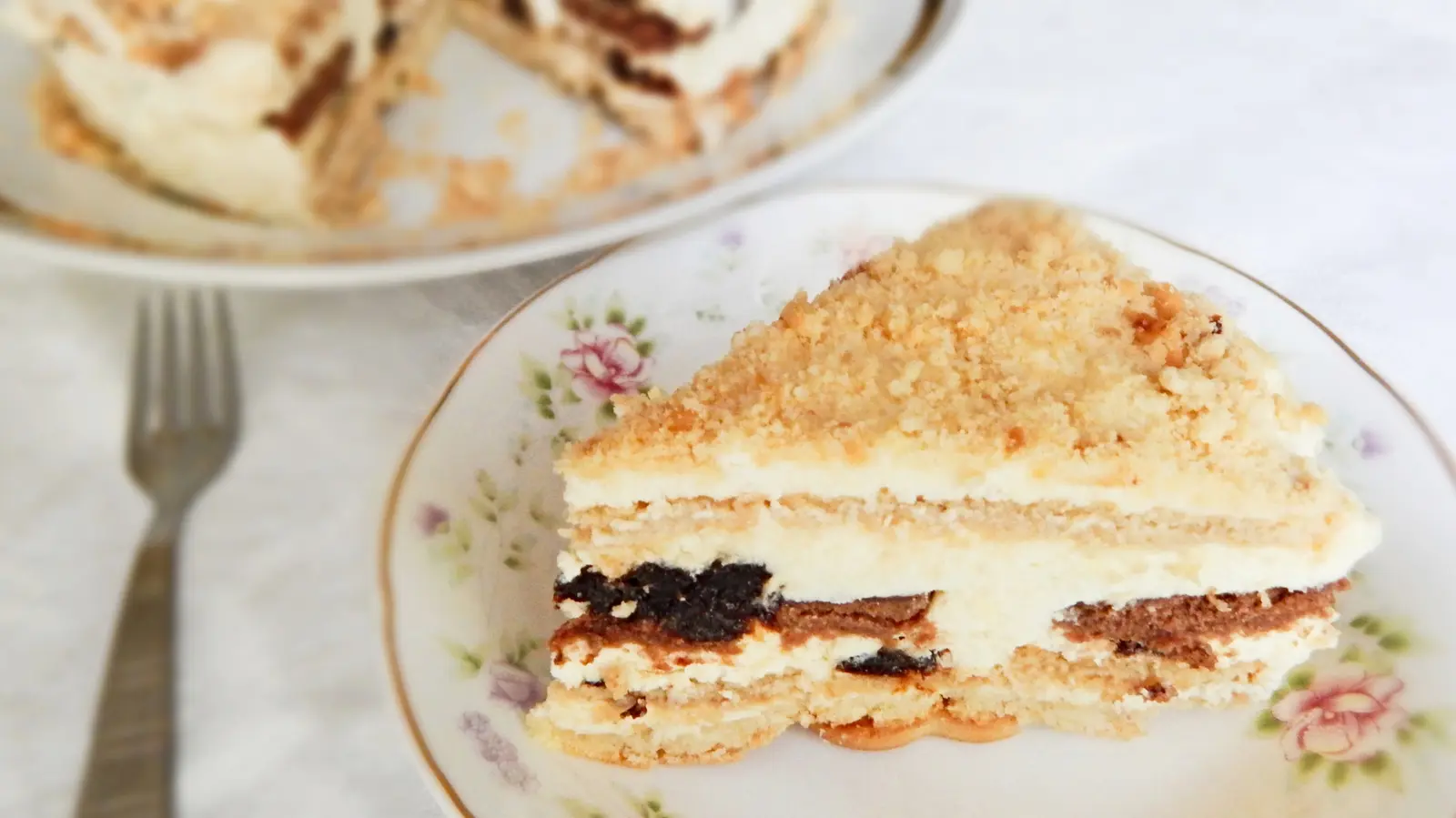
A simple no-bake icebox cake offers a refreshing dessert option for warm weather, yet it remains enjoyable throughout the entire year. This specific recipe stands out because its flavor profile improves significantly after sitting in the refrigerator overnight. Home bakers appreciate this treat for its lack of oven requirements and its ability to set without traditional baking methods. The dessert appeals to those who prefer cold, layered sweets that require minimal active cooking time. Its popularity stems from the ease of preparation and the unique texture that develops during the chilling process.
Latest news
 The Ultimate Homemade Chili Recipe for Cold Weather
 The Nutritional Power of Pumpkin Beyond Seasonal Desserts
 A Culinary Journey Through the 30th Epcot International Food and Wine Festival
 Burger King Unleashes Hello Kitty Kids' Meal with Ultra-Rare Golden Collectible
The primary appeal of this confection lies in its structural integrity and taste evolution. Unlike standard cakes that rely on heat to solidify, this version uses refrigeration to firm up the layers. The ingredients meld together as they cool, creating a cohesive sliceable bar rather than a loose mixture. This method allows for a lighter, less dense final product compared to baked alternatives. The absence of oven heat preserves the freshness of the components, resulting in a cleaner taste. It is an ideal solution for households where oven space is limited or when ambient temperatures are too high for traditional baking.
The chemical processes occurring during the chilling phase are responsible for the improved flavor. As the cake sits in the cold environment, the sugars and fats distribute evenly across the layers. This uniform distribution prevents pockets of intense sweetness or dryness. Additionally, the cold temperature suppresses certain volatile aromas that might otherwise overpower the subtle notes of the base ingredients. The result is a balanced, harmonious taste that is more complex than what emerges immediately after assembly. Patience is key here; rushing the process leads to a less refined final product. The extended chilling time allows the textures to stabilize, ensuring each bite has a consistent, creamy mouthfeel.
Does Waiting Really Make a Difference?
Yes, waiting does make a substantial difference in both texture and flavor intensity. Immediate consumption often yields a soft, somewhat undefined structure that lacks depth. However, after several hours or an overnight rest, the cake firms up into a distinct, sliceable form. The flavors deepen as the components integrate fully, creating a richer sensory experience. This transformation is not merely cosmetic; it fundamentally alters how the palate perceives the dessert. The wait time acts as a crucial step in the culinary process, similar to marinating meats or aging cheeses. Skipping this stage results in a mediocre outcome, while embracing it unlocks the full potential of the recipe.
The trend toward no-bake desserts continues to gain momentum among home cooks seeking efficiency. This specific icebox cake exemplifies the shift toward convenience without sacrificing quality. As more people look for ways to minimize kitchen effort, recipes that leverage passive cooling times become increasingly valuable. The dessert serves as a testament to the power of patience in cooking. Future iterations may explore new flavor combinations, but the core principle of overnight chilling will likely remain central to its success. Home bakers are encouraged to plan ahead, allowing ample time for the cake to reach its peak condition before serving guests.
Frequently Asked Questions
How long must the cake chill? The cake requires several hours in the refrigerator to set properly. For optimal flavor and texture, an overnight chill is recommended. This duration ensures the layers bind together effectively.
Can I substitute the ingredients? Substitutions are possible but may alter the setting time. Using different types of cookies or cream fillings can change the density. Always test small batches when experimenting with new components.
Is this recipe suitable for beginners? Yes, the recipe is highly beginner-friendly. It requires no advanced techniques or specialized equipment. The main challenge is resisting the urge to eat it before it has fully chilled.
Content written by Victoria Lane for fancy-meals.com editorial team, AI-assisted.