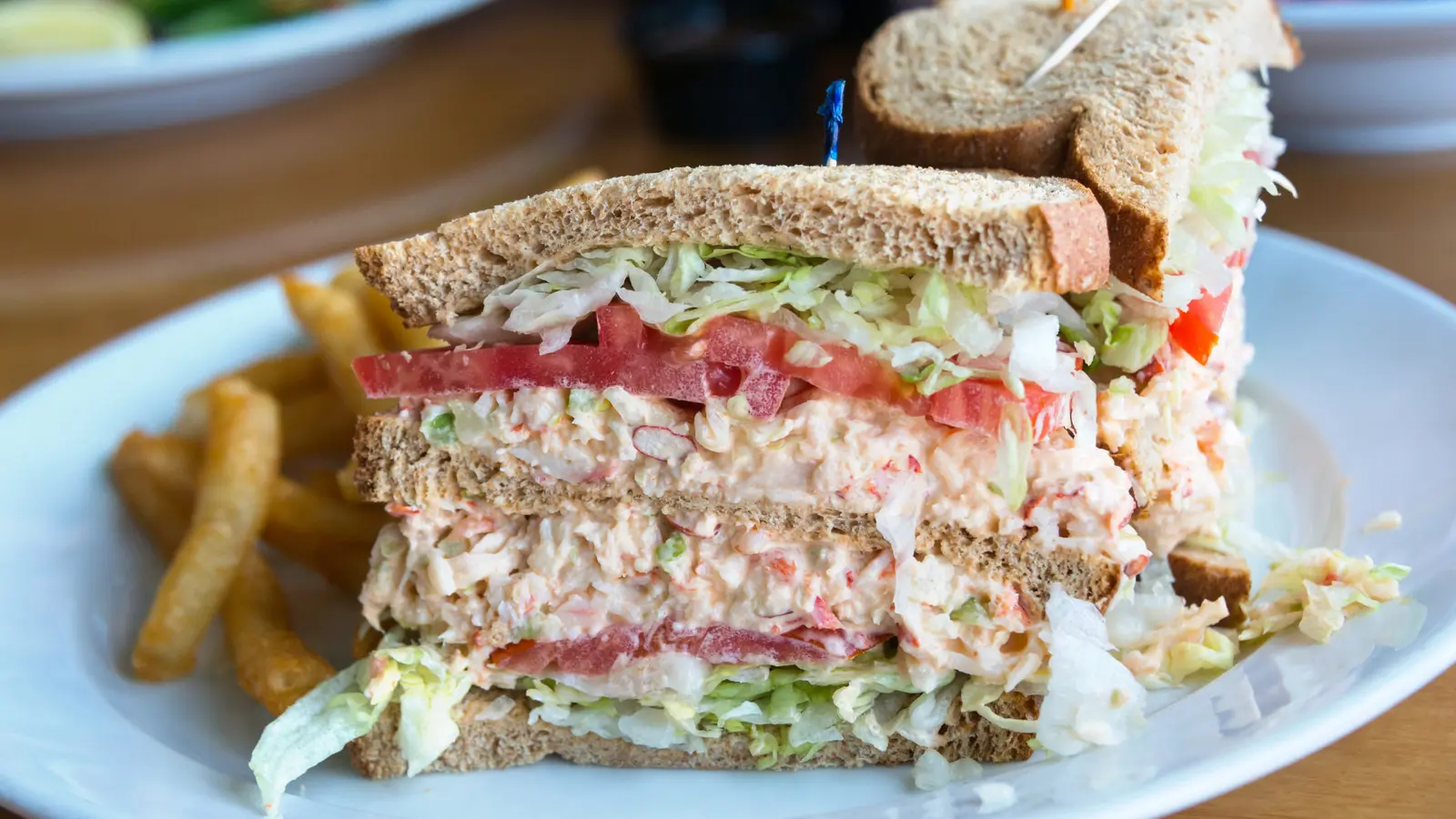
Mock Lobster Salad: A Seafood‑Free Twist on a Classic Dish
Why the „Mock” Label Matters
A new take on a traditional favorite has stirred culinary curiosity across the country. In a recent feature, a chef unveiled a mock lobster salad that promises the flavor of the sea without any actual seafood. The dish debuted at a pop‑up event in downtown Chicago on September 20, 2026, drawing food lovers and skeptics alike.
Latest news
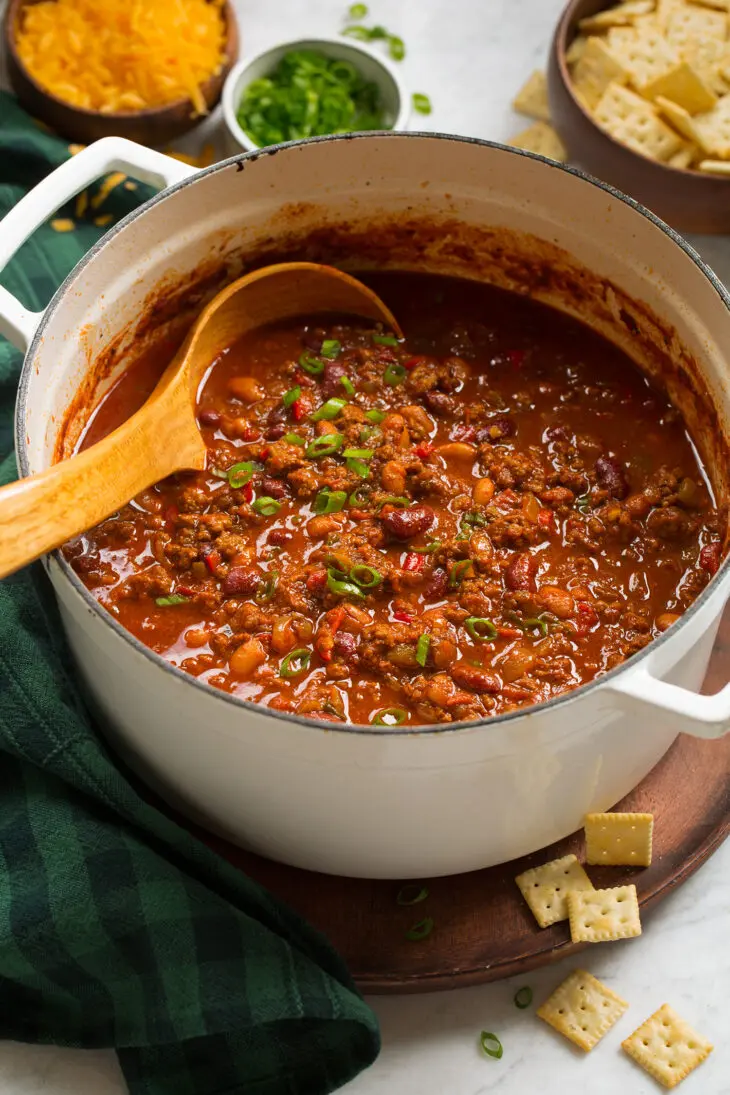 The Ultimate Homemade Chili Recipe for Cold Weather
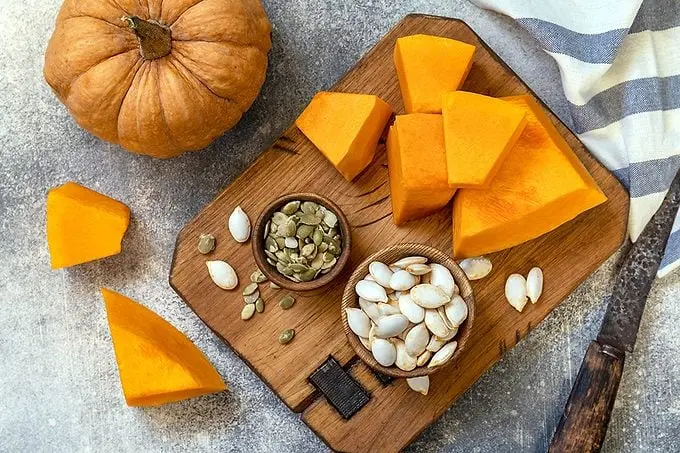 The Nutritional Power of Pumpkin Beyond Seasonal Desserts
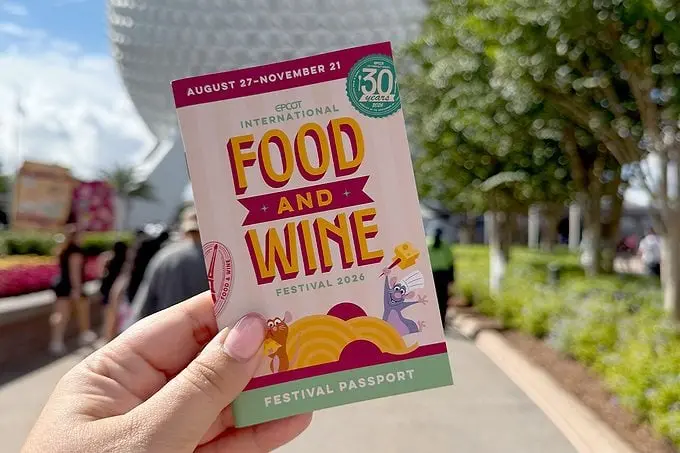 A Culinary Journey Through the 30th Epcot International Food and Wine Festival
 Burger King Unleashes Hello Kitty Kids' Meal with Ultra-Rare Golden Collectible
The recipe substitutes real lobster with a blend of plant‑based ingredients that mimic the texture and taste of the crustacean. The chef, who prefers to remain anonymous, explained that the goal was to create a dish that feels authentic while remaining vegan and budget‑friendly. The salad features diced „lobster” made from seasoned jackfruit, crisp romaine lettuce, avocado, and a tangy citrus vinaigrette. The result is a colorful plate that looks and tastes remarkably similar to its traditional counterpart.
The term „mock” signals that the dish intentionally omits the key ingredient it references. In this case, the absence of real lobster is deliberate, allowing diners to experience a familiar flavor profile without the cost or ethical concerns associated with seafood. The chef highlighted that the mock version uses a combination of seaweed extract and natural flavor enhancers to replicate the briny undertone of lobster. This approach has attracted attention from both vegetarians and seafood enthusiasts who appreciate the creativity behind the substitution.
Can This Trend Replace Traditional Lobster Dishes?
The dish has already sparked conversation on social media, where users posted side‑by‑side photos of the mock salad and a traditional lobster salad. Many praised the chef’s ability to maintain the dish’s visual appeal while offering a more sustainable option. Critics, however, noted that the texture of the jackfruit does not fully match the firmness of real lobster meat, suggesting that the experience may still feel slightly off for purists.
The mock lobster salad raises questions about the future of classic seafood recipes. Will more chefs adopt plant‑based versions of beloved dishes? The chef believes that the trend could grow, especially as consumers become more conscious of environmental impact and animal welfare. „People are looking for ways to enjoy familiar flavors without the guilt,” he said. „If we can deliver that, we’ll see a shift in how restaurants menu‑plan.”
Industry analysts predict that the demand for vegan alternatives will continue to rise, with the market expected to grow by 15% annually over the next five years. Restaurants that embrace these innovations may attract a broader clientele, including those with dietary restrictions or ethical concerns. However, the chef cautions that not every dish will translate well; some flavors and textures are deeply tied to their original ingredients.
The mock lobster salad’s success could encourage chefs to experiment further, potentially leading to a new wave of „mock” dishes that honor tradition while embracing modern values. Whether this movement will reshape dining habits remains to be seen, but the conversation it has sparked is already influencing menus nationwide.
Frequently Asked Questions
What ingredients make up the mock lobster? The salad uses seasoned jackfruit as the primary meat substitute, combined with seaweed extract for a briny flavor, and fresh vegetables for texture.
Is the dish truly vegan? Yes, it contains no animal products. The only animal‑derived component is the optional addition of a dairy‑free cheese alternative, which can be omitted.
Will this dish be available in restaurants? Several local eateries have expressed interest in adding it to their menus, and the chef plans to release a recipe book later this year for home cooks and professionals alike.
Content written by [email protected] (Sean Bell) for fancy-meals.com editorial team, AI-assisted.