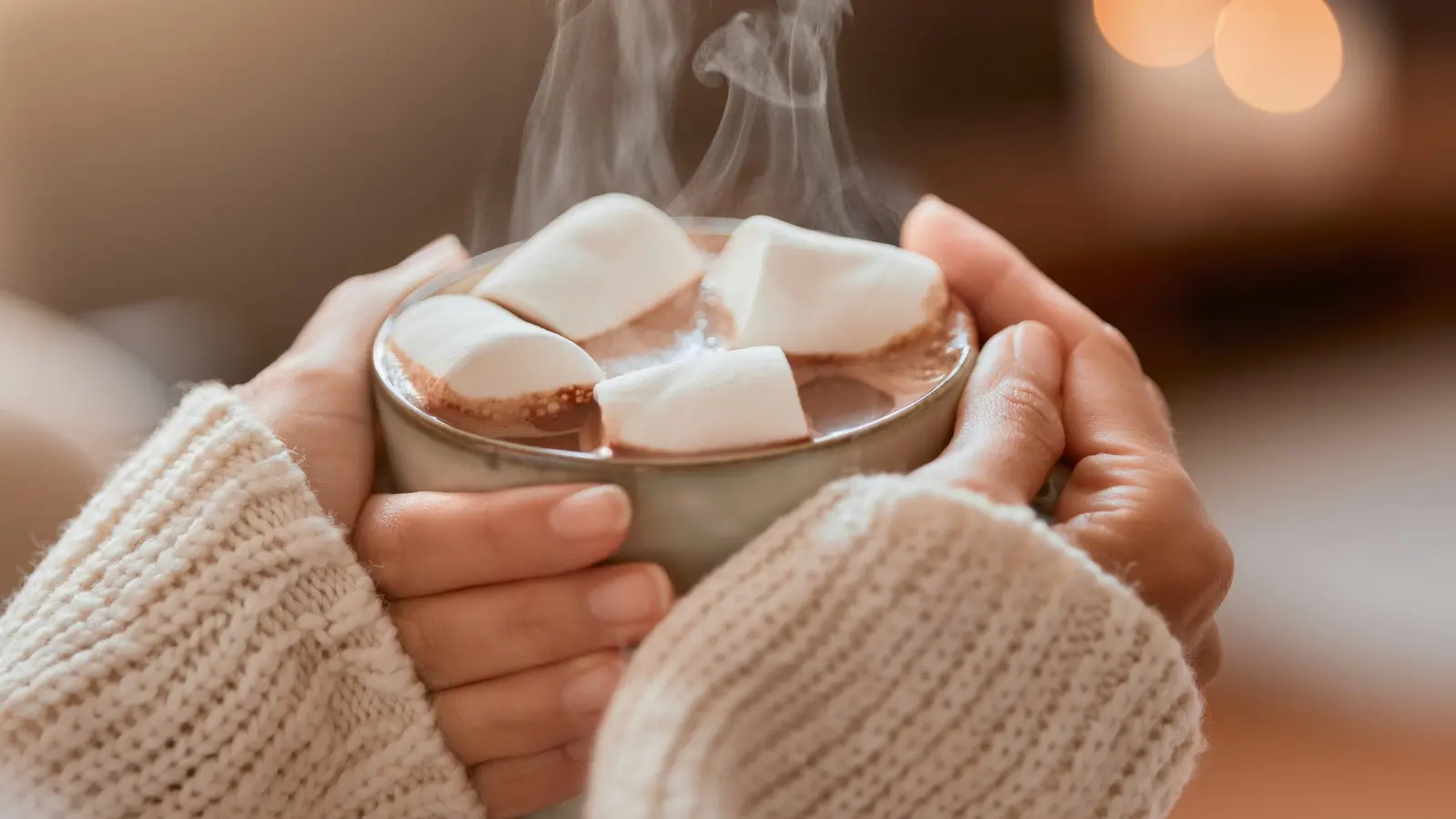
How to Turn Your Hot Chocolate Into a Decadent Treat with a Classic Candy Bar
Why a Candy Bar Beats the Packaged Mix
A simple cup of cocoa can become a gourmet indulgence by swapping out a standard mix for a beloved chocolate bar. The trick works whether you’re sipping a plain mug or enjoying a thick European‑style drink.
Latest news
 Anthony Bourdain’s Most Unforgettable Meals on „No Reservations”
 Mastering the Art of Perfect Pie Baking
 Chocolate Peppermint Whoopie Pies: Holiday Treats Made Easy With Boxed Mix
 Ree Drummond Shares 10 Tips for the Perfect Thanksgiving Turkey
The idea gained traction after a popular food blogger posted a recipe that replaced the usual powdered mix with a single candy bar. The result is a richer, creamier chocolate experience that feels like a dessert rather than a beverage.
How to Make It at Home
The secret lies in the chocolate’s composition. Packaged mixes often contain artificial flavors and high levels of sugar to preserve shelf life. A candy bar, especially one with a high cocoa percentage, delivers a more authentic chocolate flavor and a smoother mouthfeel. When melted, the bar’s milk solids and cocoa butter blend seamlessly with milk or cream, creating a velvety texture that’s hard to replicate with powder.
Chefs and home cooks alike note that the bar’s natural ingredients reduce the need for extra sweeteners. One user reported that a single 50‑gram bar produced a cup of hot chocolate that was sweet enough without adding sugar, allowing the chocolate’s inherent richness to shine.
Can You Use This Trick for Other Beverages?
First, choose a chocolate bar that suits your taste—dark for a robust bite, milk for a sweeter profile, or even a white chocolate bar for a creamy twist. Break the bar into small pieces and place them in a heat‑proof bowl. Pour hot milk or a milk‑cream mixture over the chocolate, letting it sit for a minute. Then stir until the chocolate is fully melted and the drink is smooth. If you prefer a thicker consistency, add a splash of heavy cream or a dollop of whipped cream on top.
The method can be adapted to different milk alternatives. For a dairy‑free version, use oat or almond milk and a vegan chocolate bar. The result remains luxuriously creamy, proving the technique’s versatility.
What Does This Mean for the Hot Chocolate Market?
Yes, the same principle applies to coffee, tea, or even cocktails. Adding a chocolate bar to a latte can create a mocha with depth, while a bar in hot tea offers a subtle cocoa undertone. For cocktails, a chocolate bar can serve as a garnish or a base for a chocolate‑infused spirit.
The trend is growing on social media, where users share variations such as adding spices, flavored syrups, or a pinch of sea salt to enhance the chocolate’s complexity.
Frequently Asked Questions
The popularity of this DIY method signals a shift toward more artisanal, ingredient‑focused drinks. Retailers may respond by offering premium chocolate bars specifically designed for hot chocolate, with flavors like sea salt, caramel, or chili. Consumers are increasingly seeking authenticity and customization, and this simple swap meets that demand.
In the long run, the trend could encourage a broader move away from packaged mixes toward fresh, high‑quality ingredients, benefiting both consumers and chocolate makers.