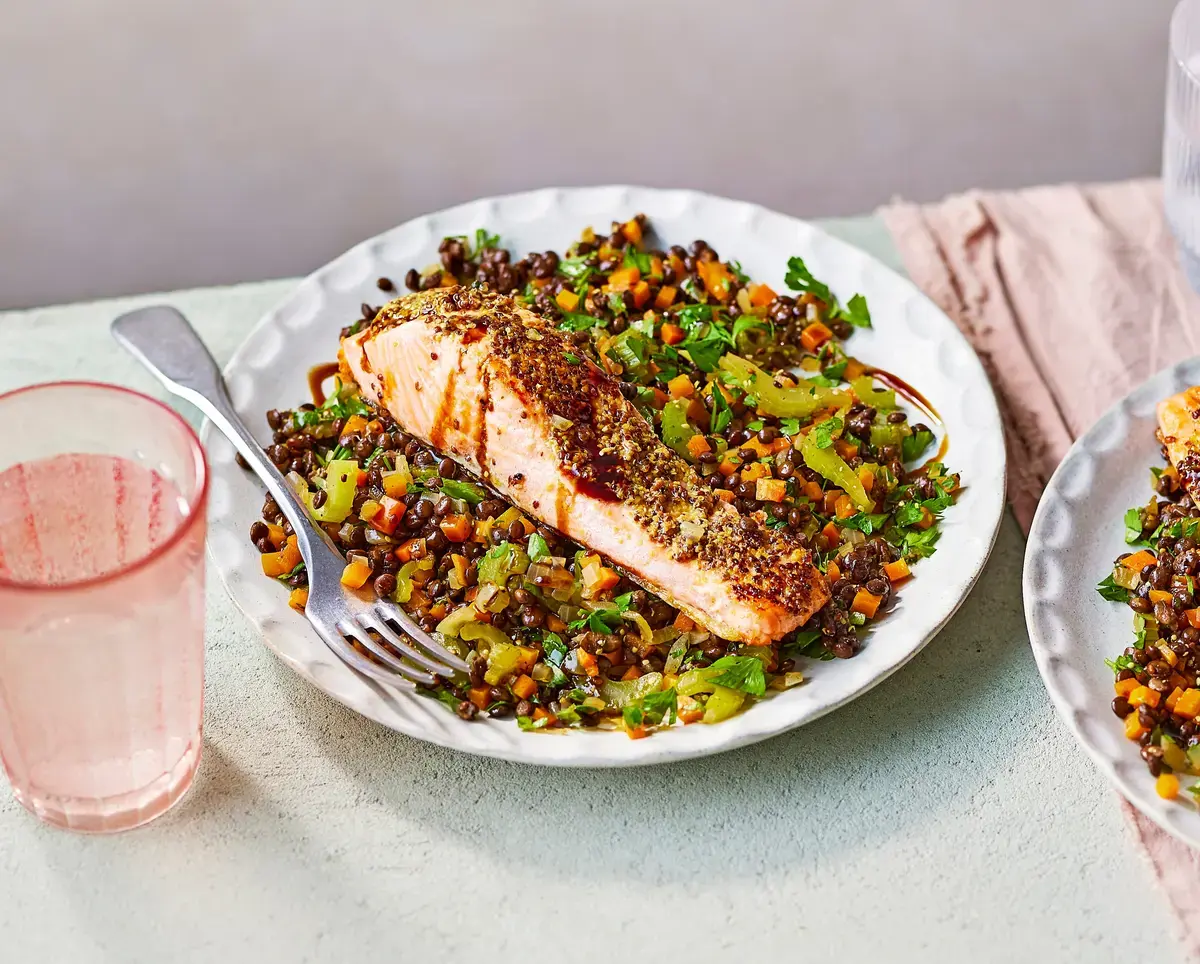
Heart‑Healthy Meal Plan Offers Flavorful Recipes for a Stronger Heart
Ingredient‑Focused Dishes That Boost Cardiac Health
Emma Hartfield unveiled a new five‑recipe meal plan this month, targeting home cooks who want to protect their cardiovascular health without giving up taste. The plan, released on a popular health platform, highlights ingredients that science now identifies as key to heart wellness.
Latest news
 The Ultimate Homemade Chili Recipe for Cold Weather
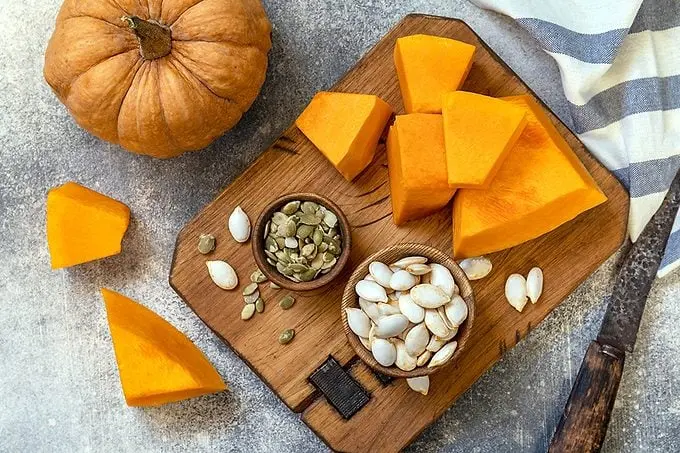 The Nutritional Power of Pumpkin Beyond Seasonal Desserts
 A Culinary Journey Through the 30th Epcot International Food and Wine Festival
 Burger King Unleashes Hello Kitty Kids' Meal with Ultra-Rare Golden Collectible
The collection reflects a growing shift in nutrition research, which emphasizes whole foods and flavor balance over restrictive diets. By centering dishes around nutrient‑dense staples, the plan shows that heart‑friendly cooking can be both enjoyable and practical for everyday meals.
Each recipe builds on ingredients such as oily fish, leafy greens, whole grains, nuts, and antioxidant‑rich berries. The first dish pairs salmon with a citrus‑herb glaze, delivering omega‑3 fatty acids that support arterial flexibility. A second entrée features quinoa‑based stuffed peppers, offering fiber and plant‑based protein without excess sodium. A third recipe introduces roasted sweet potatoes tossed with rosemary, providing potassium to help regulate blood pressure.
Can You Keep Your Favorite Dishes While Eating Heart‑Smart?
The plan also includes a Mediterranean‑style salad with olives, feta, and a drizzle of extra‑virgin olive oil, illustrating how healthy fats can enhance flavor while lowering LDL cholesterol. Finally, a dessert of dark‑chocolate‑dipped strawberries supplies flavonoids linked to reduced heart‑disease risk, proving that indulgence need not be off‑limits.
Many assume heart‑healthy cooking means abandoning beloved comfort foods. This meal plan challenges that notion by adapting classic flavors with smarter ingredient choices. For example, a traditional chicken pot pie is reimagined using a whole‑grain crust and a broth enriched with carrots and celery, preserving the comforting texture while cutting saturated fat. The approach demonstrates that modest swaps—like using olive oil instead of butter—can dramatically improve nutritional profiles without sacrificing familiarity.
Nutrition experts note that such incremental changes are more sustainable than drastic overhauls. By focusing on the quality of core components, the plan encourages diners to enjoy meals that feel familiar yet contribute positively to heart health.
As more consumers seek balanced diets, the heart‑healthy meal plan may inspire broader adoption of flavor‑forward, nutrient‑rich cooking. Its emphasis on scientifically backed ingredients could influence future recipe development across the food industry, fostering a culinary culture where taste and health coexist.
Frequently Asked Questions
What makes these recipes heart‑healthy? They prioritize ingredients rich in omega‑3s, fiber, potassium, and antioxidants while limiting saturated fats and sodium, aligning with current cardiovascular guidelines.
Do I need special equipment to prepare the meals? No. All dishes use common kitchen tools such as ovens, stovetops, and basic knives, making the plan accessible to most home cooks.
Can the recipes be adapted for dietary restrictions? Yes. The meals can be modified for vegetarian, gluten‑free, or low‑sugar needs by substituting equivalent ingredients without losing the core health benefits.
Content written by Isabelle Fontaine for fancy-meals.com editorial team, AI-assisted.