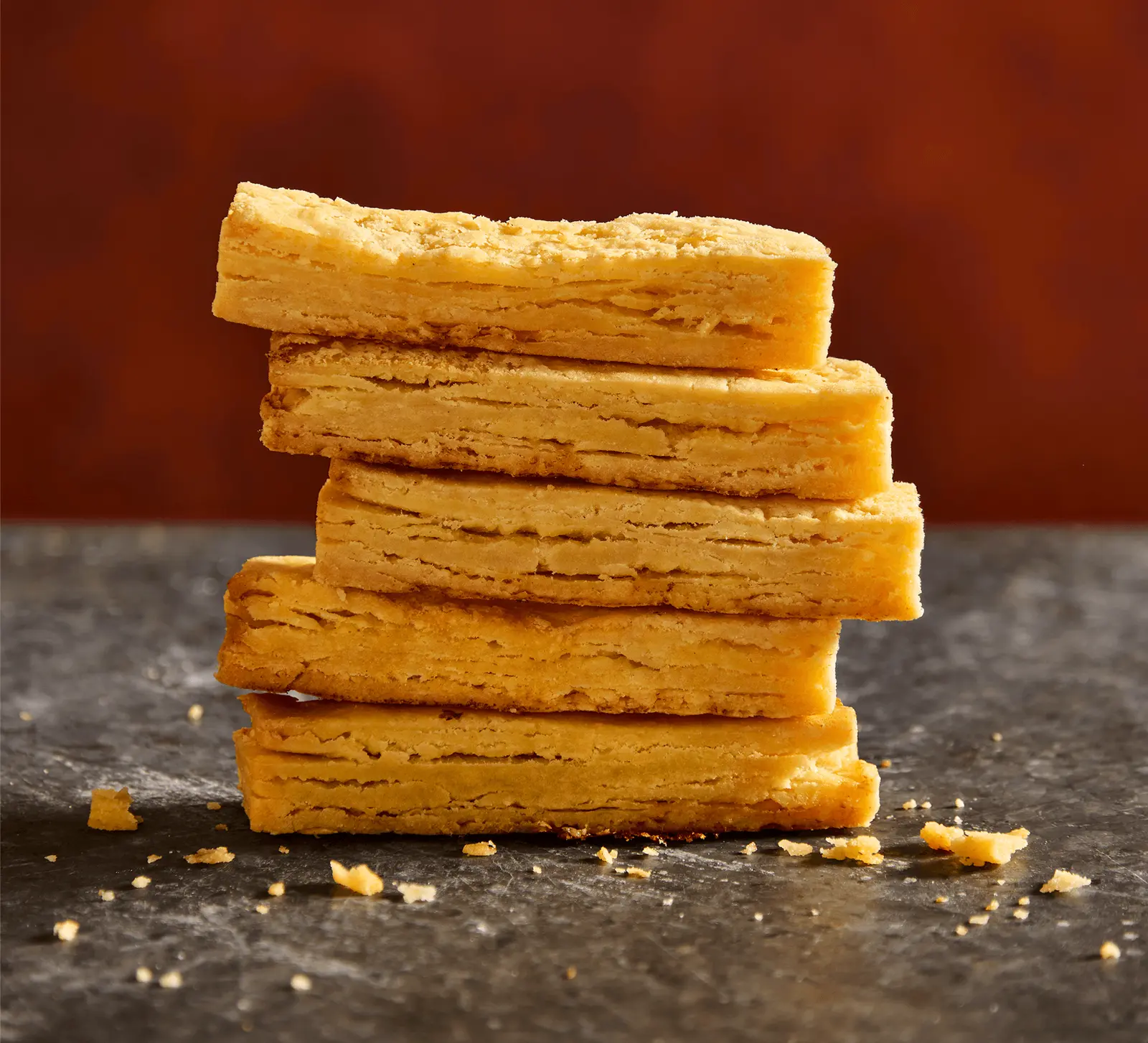
Gluten-Free Puff Pastry Recipe for Tarts and Pies
Why Xanthan Gum Matters in Gluten-Free Baking
A new gluten-free puff pastry recipe offers bakers a reliable base for tarts and pies. The formula is designed for people with gluten sensitivities or intolerances. It uses 300g gluten-free plain flour and 125g cold unsalted butter. The recipe is free-from, making it accessible for a wider audience.
Latest news
 What Likely Appeared on the First Thanksgiving Menu in 1621
 Anthony Bourdain’s Most Unforgettable Meals on „No Reservations”
 Mastering the Art of Perfect Pie Baking
 Chocolate Peppermint Whoopie Pies: Holiday Treats Made Easy With Boxed Mix
The pastry dough combines gluten-free plain flour, cold unsalted butter, caster sugar, and xanthan gum. Xanthan gum acts as a binding agent, replacing the structural role gluten normally plays in traditional puff pastry. The recipe calls for 1½ teaspoons of xanthan gum, which helps the dough hold its shape during rolling and baking.
Traditional puff pastry relies on gluten to create layers and structure. Without gluten, the dough tends to crumble. Xanthan gum solves this problem by providing elasticity and cohesion. Bakers who have tried gluten-free pastry without xanthan often report a fragile, crumbly result. Adding the gum transforms the texture, allowing the pastry to be rolled thin and flaky, just like its gluten-containing counterpart.
No. The recipe specifically calls for gluten-free plain flour without added xanthan gum, with 1½ teaspoons added separately. Substituting the gum with another binder like psyllium husk or guar gum may work, but the texture and rise will differ. For best results, follow the specified xanthan gum amount.
Can You Substitute Xanthan Gum in This Recipe?
This versatile pastry base opens up a range of sweet and savory applications. Home bakers can now create flaky tarts, savory pies, and layered pastries without worrying about gluten exposure. The recipe bridges the gap between convenience and dietary restriction, making gluten-free baking more approachable. Frequently Asked Questions
What type of gluten-free flour works best in this recipe? Use a gluten-free plain flour blend that does not already contain xanthan gum. A mix of rice flour, potato starch, and tapioca starch works well. Avoid pre-blended flours with added gums to prevent over-binding.
How should the butter be prepared for best flakiness? Keep the butter cold and cut it into small cubes before mixing. Cold butter creates distinct layers when rolled. If the butter melts into the flour, the pastry loses its flaky structure.
Can this pastry be frozen for later use? Yes. Roll the dough into sheets, wrap tightly in plastic, and freeze for up to three months. Thaw overnight in the refrigerator before baking. This makes batch preparation practical for busy weeks.