Give Your Cacio E Pepe Pasta A Fall Makeover By Adding One Ingredient
How Much Spice Is Just Right?
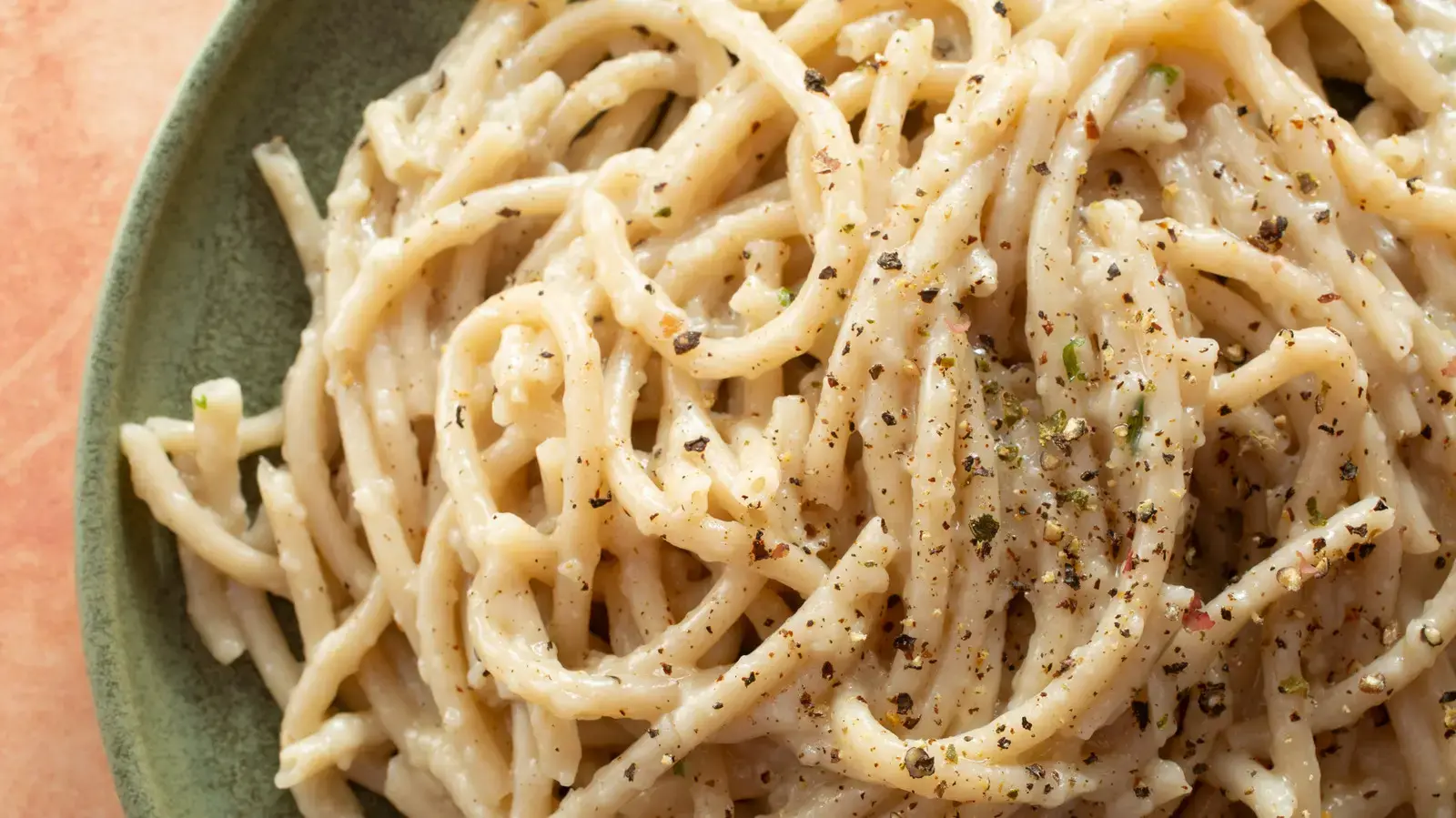
Cacio e pepe, a classic Roman pasta dish known for its simplicity, is getting a seasonal upgrade this fall. As autumn arrives, home cooks are turning to one warm, aromatic ingredient to transform the traditional recipe into something richer and more comforting. The dish, made with just pasta, Pecorino Romano cheese, black pepper, and pasta water, now welcomes a touch of autumn spice to elevate its flavor profile.
Latest news
 The Ultimate Homemade Chili Recipe for Cold Weather
 The Nutritional Power of Pumpkin Beyond Seasonal Desserts
 A Culinary Journey Through the 30th Epcot International Food and Wine Festival
 Burger King Unleashes Hello Kitty Kids' Meal with Ultra-Rare Golden Collectible
The key addition is pumpkin pie spice, a blend typically associated with desserts and seasonal beverages. A small amount—about a quarter teaspoon per serving—stirred into the cheese and pepper mixture before combining with the pasta adds subtle notes of cinnamon, nutmeg, and clove. This tweak maintains the dish’s creamy texture while introducing a gentle warmth that complements the sharpness of the cheese and the bite of black pepper. Chefs note that the spice should be used sparingly to avoid overpowering the delicate balance of the original recipe.
What Does This Change Mean for Tradition?
Finding the perfect amount of pumpkin pie spice requires careful experimentation. Too much can clash with the savory elements, while too little may go unnoticed. Food experts recommend starting with an eighth of a teaspoon for two servings, then adjusting to taste. The goal is to enhance, not dominate, allowing the fall essence to linger in the background. Some cooks suggest toasting the spice briefly in the pan before adding liquids to deepen its aroma without adding moisture.
While purists may hesitate to alter a dish celebrated for its minimalism, proponents argue that seasonal adaptations keep culinary traditions alive and relevant. This variation does not replace the classic but offers an optional twist for those seeking to embrace autumn flavors in unexpected places. As more people experiment with spice blends in savory cooking, dishes like cacio e pepe continue to evolve, proving that even the simplest recipes can welcome new interpretations without losing their identity.
What is pumpkin pie spice made of? Pumpkin pie spice is a blend of ground cinnamon, nutmeg, ginger, and cloves, sometimes including allspice or mace. It is commonly used in fall baking and beverages.
Frequently Asked Questions
Can I use fresh pumpkin instead of the spice? Fresh pumpkin adds moisture and texture that can disrupt the emulsion of cacio e pepe. The dry spice blend is preferred to maintain the dish’s signature creamy consistency.
Will this version still taste like cacio e pepe? Yes, when used in moderation, the spice enhances rather than replaces the core flavors. The cheese, pepper, and pasta remain dominant, with the spice adding a subtle autumnal note.
Content written by Lucas Carter for fancy-meals.com editorial team, AI-assisted.