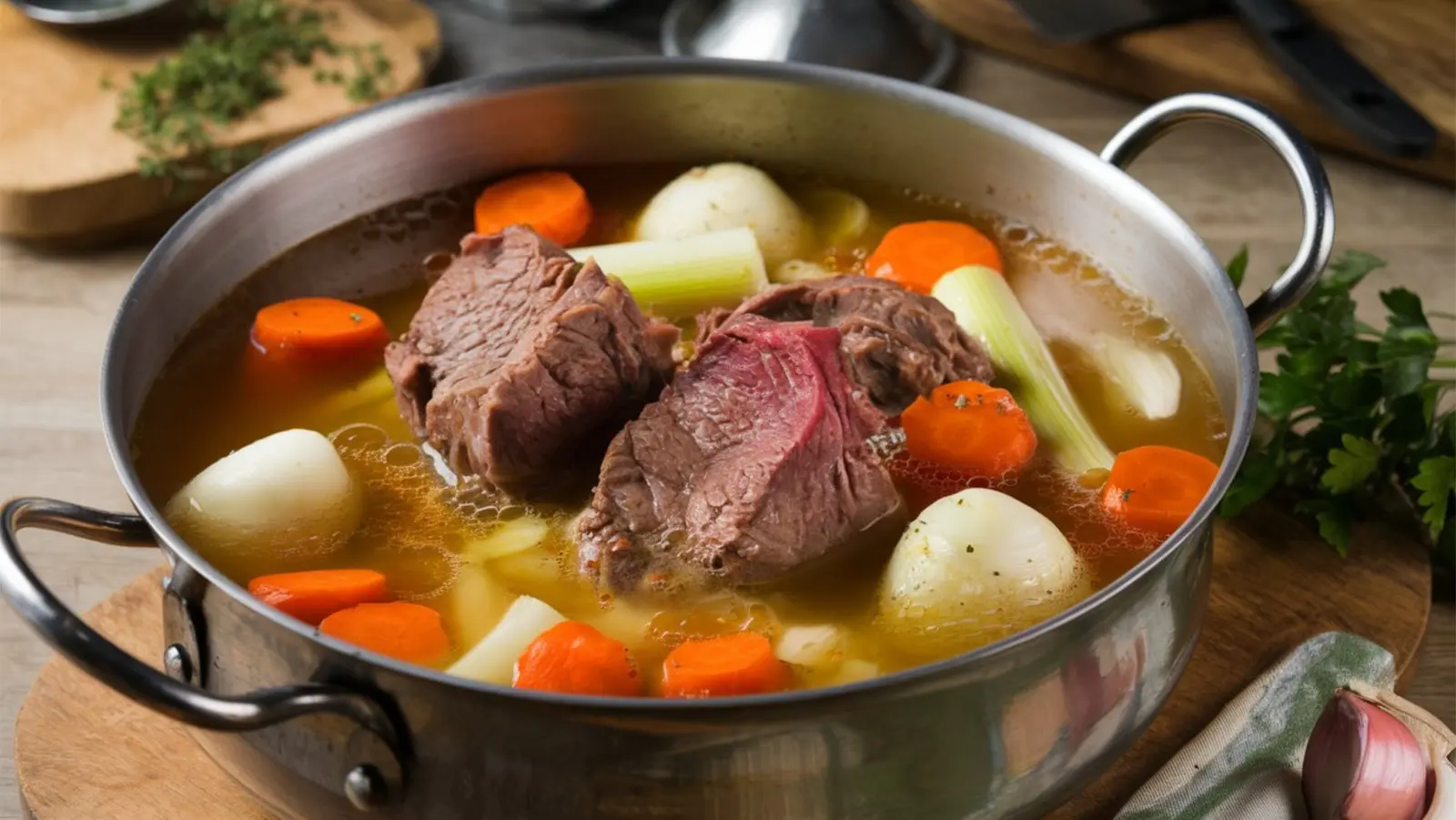
French Bone‑Based Stew Revives Classic Flavors
From Bone to Bowl: The Science Behind the Richness
A rustic French stew that leans on beef bones for depth is gaining attention among home cooks. Chef Matthew Spina shared the recipe on September 29, 2026, highlighting how the marrow‑rich broth transforms a simple pot of meat and vegetables into a hearty, aromatic dish. The method, rooted in traditional French cuisine, promises a richer taste without demanding elaborate techniques.
Latest news
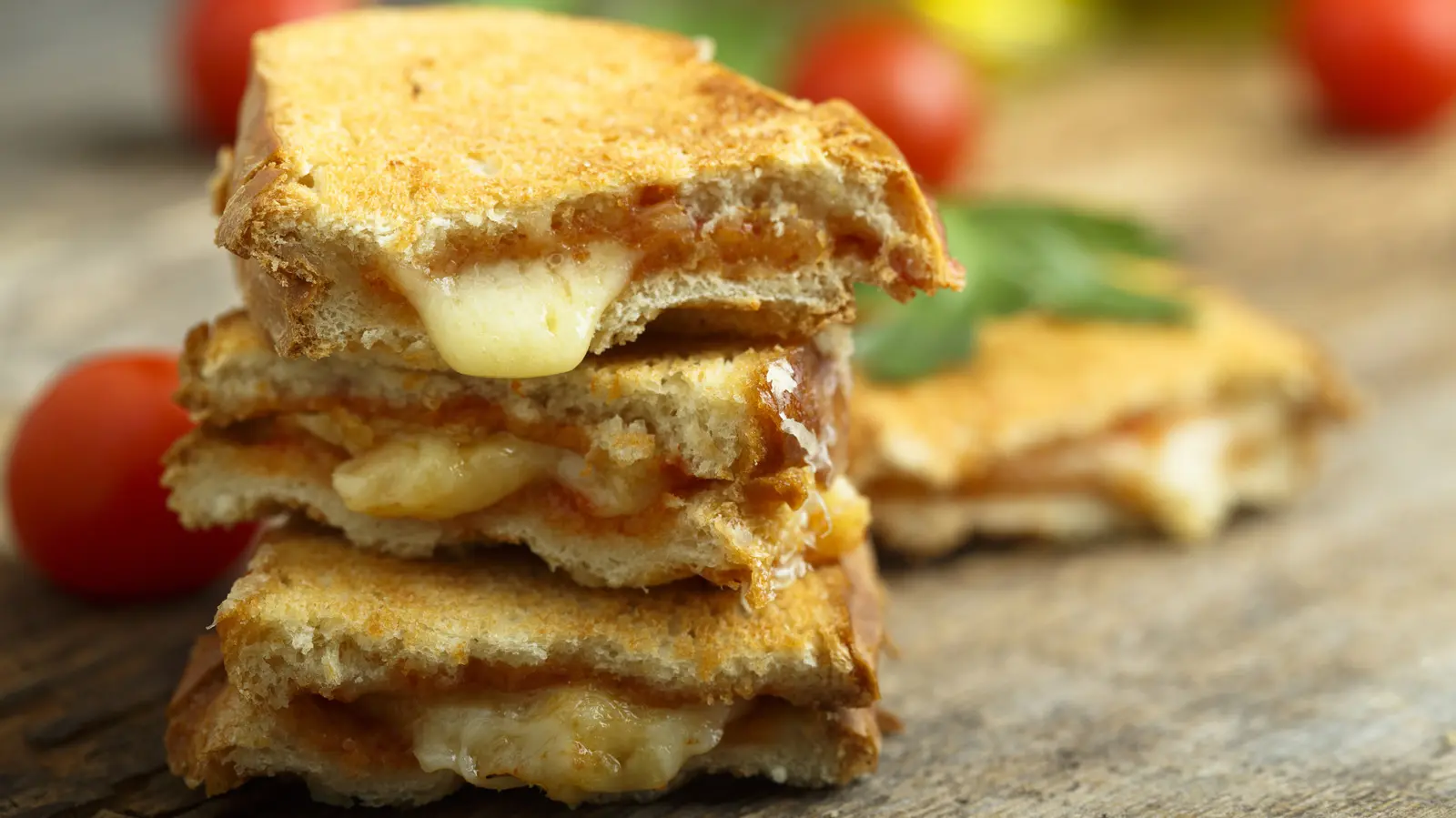 Prosciutto Elevates the Classic Grilled Cheese Sandwich
 Costco Frozen Shrimp Rivals Steakhouse Appetizers
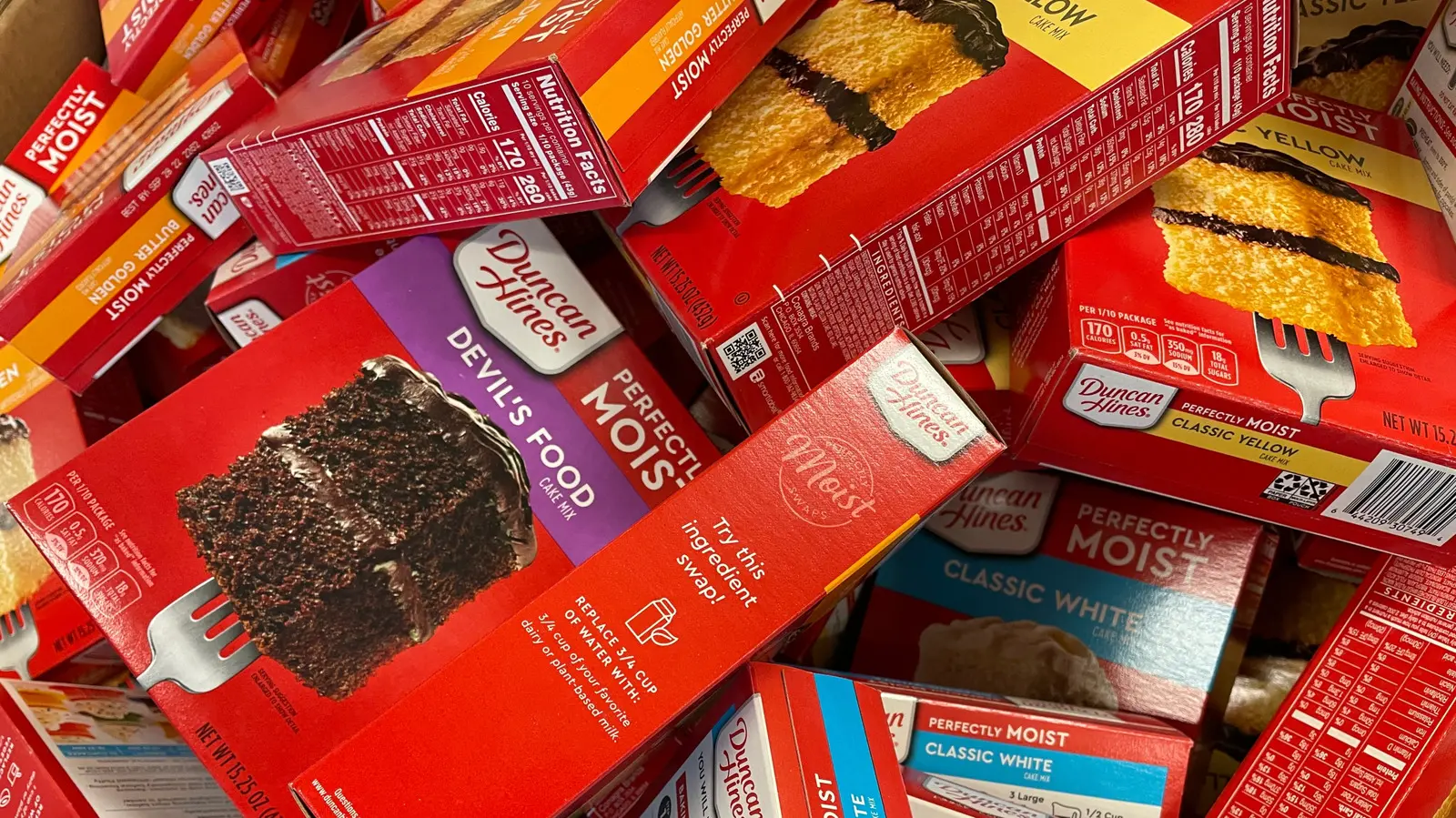 Skip Store‑Shelf German Chocolate for This Rich Duncan Hines Cake Mix
 Severed Sun: A Blood-Red Bourbon Halloween Cocktail
Spina explains that the secret lies in simmering a blend of beef bones, mirepoix, and aromatic herbs for several hours. The slow extraction of gelatin and marrow creates a velvety base that coats each bite. By adding root vegetables, tomatoes, and a splash of red wine, the stew balances acidity with the natural sweetness of the bones. The dish can be prepared ahead of time, allowing flavors to meld further, and reheats beautifully, making it ideal for week‑long meal planning.
When beef bones are cooked low and slow, collagen breaks down into gelatin, which thickens the liquid naturally. This process not only improves texture but also carries umami compounds that enhance the overall savoriness. Spina notes that using a mix of marrow‑filled knuckles and neck bones yields the most robust broth. He recommends roasting the bones first to develop a deeper caramelized flavor before they join the pot. The addition of aromatics such as thyme, bay leaf, and garlic contributes layers of fragrance that are characteristic of French country cooking.
Can a Simple Stew Compete with Gourmet French Cuisine?
Many assume French dishes require intricate steps and rare ingredients, yet Spina’s stew proves otherwise. The recipe relies on pantry staples and affordable cuts, making it accessible to everyday cooks. By focusing on technique—particularly the long simmer—home chefs can achieve a restaurant‑level depth of flavor. The stew’s versatility also allows for variations: swapping beef for lamb, adding mushrooms, or finishing with a dollop of crème fraîche. This adaptability has sparked interest on cooking forums, where users report that the dish rivals classic beef bourguignon in taste while demanding less time and expense.
The growing popularity of bone‑based stews reflects a broader culinary trend toward nose‑to‑tail cooking and sustainable meat use. As more people seek comfort foods that deliver both nutrition and flavor, recipes like Spina’s are likely to become staples in family kitchens. Expect to see more chefs and food writers championing similar approaches, emphasizing the value of patience and quality ingredients over flashy techniques.
Frequently Asked Questions
Why use beef bones instead of just meat? Bones release gelatin and marrow, which thicken the broth and add a silky mouthfeel that meat alone cannot provide.
How long should the stew simmer for optimal flavor? A minimum of three hours is recommended; longer cooking, up to six hours, deepens the taste and improves texture.
Can I freeze the stew for later use? Yes, the stew freezes well. Cool it completely, portion into airtight containers, and store up to three months; reheat gently to preserve the broth’s consistency.
Content written by Tasting Table for fancy-meals.com editorial team, AI-assisted.