Family Recipes: More Than Just Ingredients
The Unspoken Language of Taste
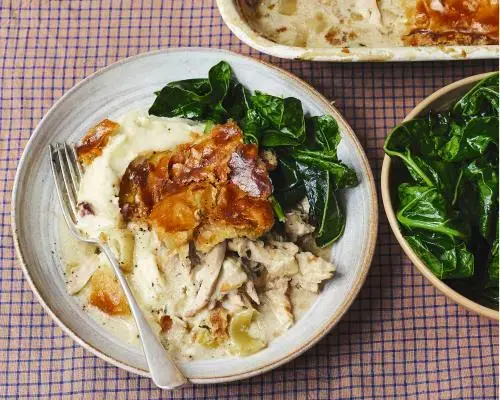
A grandmother’s brief text message – „Chicken, leek, flour, a few more ingredients” – sparked reflection. It highlighted how deeply personal and unwritten many cherished family recipes remain. These aren’t simply cooking instructions. They represent a living connection to the past and those we’ve lost.
Latest news
 Moe's Southwest Grill Menu Items Ranked from Worst to Best
 Hot Honey Brussels Sprouts: A Sweet‑Spicy Side That Turns Heads
 Turn Your Pasta Sauce Into a Nutritional Powerhouse
 West Coast IPAs vs East Coast IPAs: A Flavor Battle Across the United States
Many cooks don’t formally write down recipes passed down through generations. Skills and knowledge are often transferred through observation and practice. This creates a challenge as families seek to preserve these culinary traditions. The act of cooking becomes intertwined with memory and identity. It’s about recreating tastes and feelings, not just following steps.
The grandmother in question had never felt the need to write down her chicken pie recipe. It was ingrained in her muscle memory, a second nature skill. Committing it to paper, or a digital screen, felt unnecessary and even disruptive. This is a common experience. Many older generations learned to cook by watching their mothers and grandmothers. They adjusted measurements by eye and relied on intuition.
Will These Traditions Disappear?
This method of learning creates a unique bond. The recipe isn't just about the food itself. It’s about the shared experience of cooking together. It’s about the stories told around the kitchen table. The recipe becomes a symbol of family history and cultural heritage. Losing the recipe feels like losing a piece of that history.
The increasing reliance on written recipes and online cooking resources presents a potential threat. While accessibility is beneficial, it can also dilute the personal connection. Standardized recipes can lack the nuances and subtle variations that make family dishes special. The question is whether these unwritten traditions will survive in a digital age.
Some families are actively working to preserve their culinary heritage. They’re recording videos of older relatives cooking. They’re meticulously documenting recipes, even if imperfect. Others are simply continuing to cook the dishes, hoping to pass on the knowledge through practice. The effort requires dedication and a conscious awareness of the value of these traditions.
Frequently Asked Questions
The loss of a family recipe is more than just the loss of a meal. It's the loss of a connection to ancestors. It's the fading of a cultural memory. Preserving these recipes is a way of honoring the past and ensuring that future generations can experience the tastes of home. It's a reminder that some things are too precious to be lost.
Why are family recipes often unwritten? Older generations frequently learned by observing and practicing. They didn’t see a need to write down what was already ingrained in their memory. The process was more about intuition and adjusting to available ingredients.
What is the significance of preserving these recipes? These recipes represent a connection to family history and cultural heritage. They’re a way to honor ancestors and maintain a sense of identity. They offer a taste of home and evoke cherished memories.
Content written by Henry Cross for fancy-meals.com editorial team, AI-assisted.