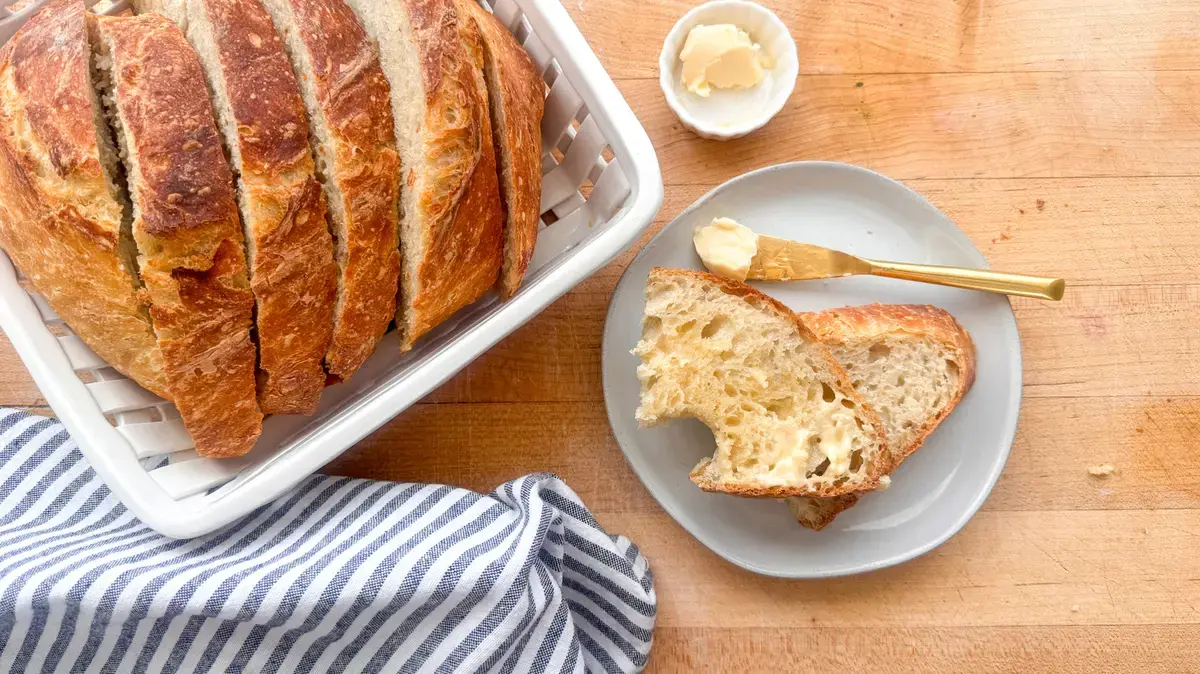
Easy Homemade Bread: A Dutch Oven Method
The Science Behind No-Knead Baking
A simple bread recipe is gaining popularity with home bakers. It requires minimal effort and uses common kitchen ingredients. This no-knead method relies on a Dutch oven for a perfectly crusty loaf. The recipe first appeared online June 3, 2026.
Latest news
 The Ultimate Homemade Chili Recipe for Cold Weather
 The Nutritional Power of Pumpkin Beyond Seasonal Desserts
 A Culinary Journey Through the 30th Epcot International Food and Wine Festival
 Burger King Unleashes Hello Kitty Kids' Meal with Ultra-Rare Golden Collectible
Many bakers avoid making bread at home. They believe it’s too complicated or time-consuming. This recipe challenges that notion. It eliminates the need for extensive kneading. Instead, it uses a long fermentation process. This develops flavor and texture with minimal work.
The key to this recipe is time. A long, slow rise allows gluten to develop naturally. Gluten is the protein in wheat flour. It gives bread its structure and chewiness. Traditional kneading speeds up this process. However, a longer rise achieves similar results with less physical effort. The Dutch oven traps steam during baking. This creates a crisp crust and a soft interior.
Can Anyone Bake a Perfect Loaf?
The process begins with combining flour, water, and yeast. The mixture is left to rest for an extended period—typically 12 to 18 hours. This allows the yeast to work its magic. After the initial rise, the dough is shaped and placed in the preheated Dutch oven. Baking creates a beautiful, rustic loaf.
This recipe is surprisingly forgiving. It doesn’t require precise measurements or advanced baking skills. Even beginners can achieve excellent results. The long fermentation process makes the dough very pliable. This means it's less sensitive to handling. The Dutch oven also helps to regulate the baking temperature. This prevents the bread from burning or drying out.
The simplicity of the recipe is its greatest strength. It’s perfect for busy individuals or those who are new to baking. It offers the satisfaction of homemade bread without the stress of complicated techniques. The aroma alone is enough to make the effort worthwhile.
This method is likely to continue growing in popularity. More people are seeking simple, satisfying ways to connect with their food. Homemade bread embodies this desire. It's a return to traditional cooking methods. It provides a delicious and rewarding experience.
Frequently Asked Questions
What type of flour works best? Bread flour is recommended for its higher protein content. This results in a chewier, more flavorful loaf. However, all-purpose flour can also be used, though the texture may be slightly different.
How long can the dough rest? The dough can rest for up to 18 hours at room temperature. Longer resting times generally lead to more flavor development. You can also refrigerate the dough for up to 24 hours to slow down fermentation.
Is a Dutch oven essential? While a Dutch oven is ideal, a heavy-covered pot can also work. The key is to trap steam during baking. This creates the desired crusty exterior.
Content written by Isabelle Fontaine for fancy-meals.com editorial team, AI-assisted.