Cantonese‑Style Eggplant and Chicken Stir‑Fry Gains Popularity Among Home Cooks
Why the Eggplant Steals the Spotlight
A Cantonese‑inspired stir‑fry that pairs Chinese eggplant with bite‑size chicken pieces is trending across American kitchens this summer. Food bloggers, home chefs, and weekend cooks are posting the recipe on social platforms, sparking a wave of interest in the simple, one‑pan dish.
Latest news
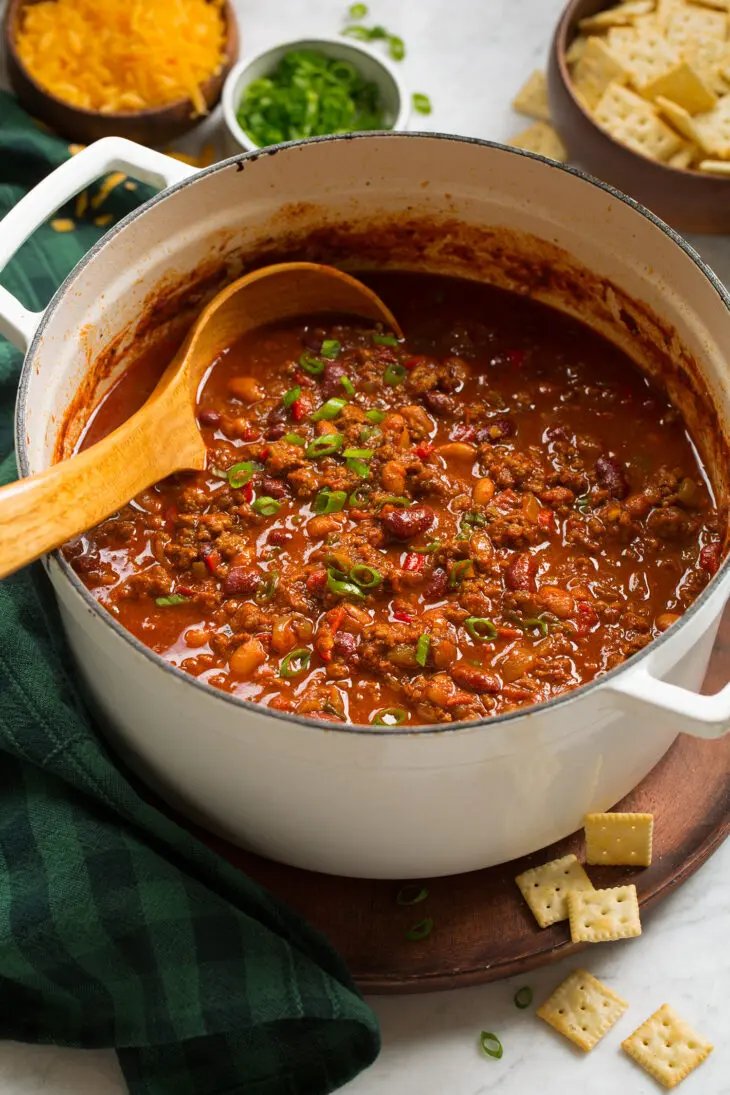 The Ultimate Homemade Chili Recipe for Cold Weather
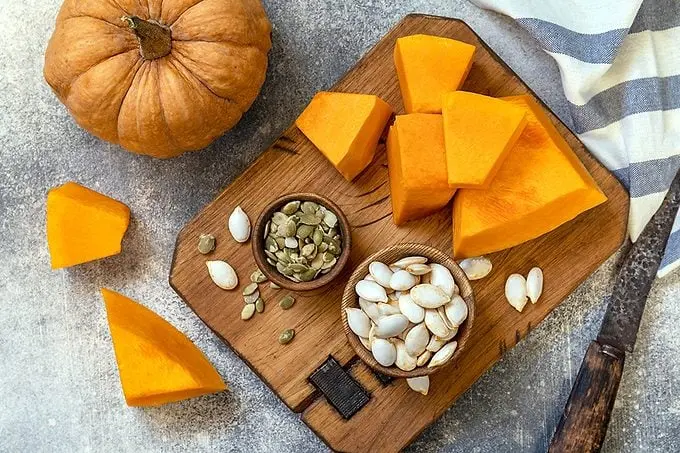 The Nutritional Power of Pumpkin Beyond Seasonal Desserts
 A Culinary Journey Through the 30th Epcot International Food and Wine Festival
 Burger King Unleashes Hello Kitty Kids' Meal with Ultra-Rare Golden Collectible
The recipe highlights the mild, seed‑light Chinese eggplant, which absorbs garlic, ginger, and scallion aromatics while staying tender. Juicy chicken adds protein, and the quick‑cook method keeps the meal ready in under thirty minutes. Its appeal lies in the balance of sweet, salty, and umami flavors, making it a convenient alternative to takeout.
Chinese eggplant differs from the common globe variety by its elongated shape and lower seed count. Chef Mei Lin, who adapted the dish for her blog, notes that „the thinner skin lets the sauce cling, while the flesh stays silky, so the flavor of the aromatics shines through.” The stir‑fry technique sears the vegetables just enough to develop a caramelized edge without turning them mushy. Garlic and ginger provide a fragrant base, while scallions add a fresh crunch at the end. Many home cooks report that the dish’s single‑pan nature reduces cleanup, a key factor in its rising popularity.
Can a Simple Stir‑Fry Replace Takeout?
The recipe’s ease and bold taste have led some diners to question whether restaurant‑style Cantonese meals can be replicated at home. Nutritionist Tara Patel points out that „using fresh eggplant and lean chicken cuts reduces sodium and fat compared with many fast‑food options.” The dish also offers flexibility; cooks can swap chicken for tofu or add chili for heat. As more people experiment with the recipe, restaurants may feel pressure to innovate, potentially introducing lighter, vegetable‑forward menus to stay competitive.
The surge in home‑cooked Cantonese dishes signals a broader shift toward healthier, quick meals that still deliver authentic flavors. If the trend continues, grocery aisles may stock more Chinese eggplant, and cooking shows could feature similar one‑pan recipes. The dish’s success demonstrates that traditional Asian techniques can thrive in modern, time‑pressed kitchens.
Frequently Asked Questions
What makes Chinese eggplant better for stir‑fry than regular eggplant? Chinese eggplant has fewer seeds and a thinner skin, allowing it to absorb sauces quickly while staying tender and less bitter.
Can I freeze leftovers safely? Yes. Cool the stir‑fry within two hours, pack it in airtight containers, and freeze for up to three months. Reheat gently to preserve texture.
Is the recipe adaptable for vegetarian diets? Absolutely. Replace chicken with firm tofu or tempeh, and the dish retains its savory depth and satisfying bite.
Content written by Henry Cross for fancy-meals.com editorial team, AI-assisted.